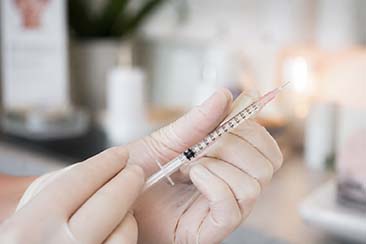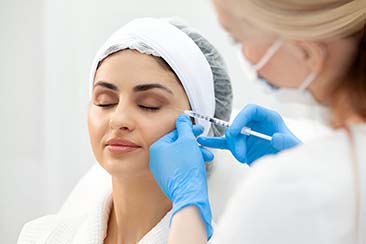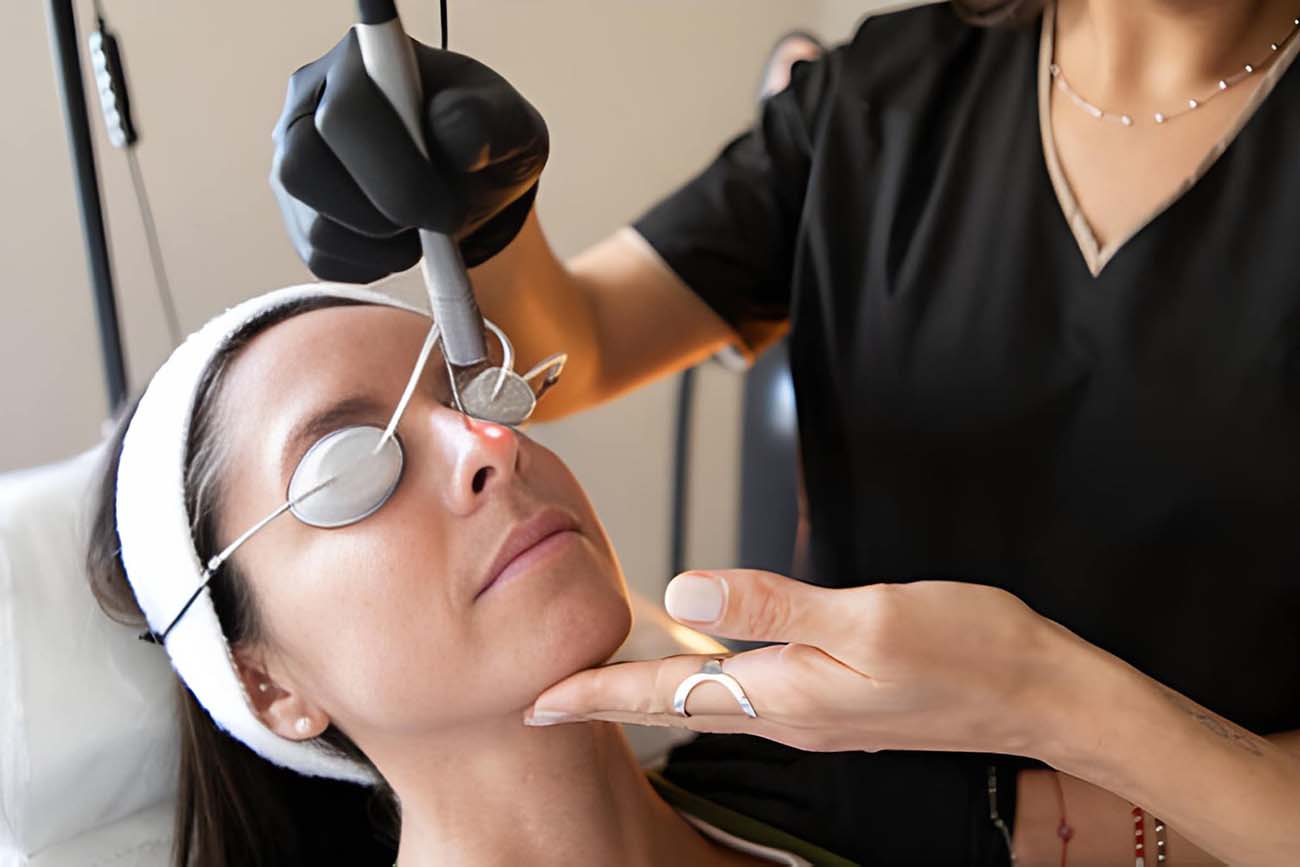
Aesthetic treatments are no longer a niche conversation. From injectables to advanced skincare and laser technology, more people are exploring ways to maintain their appearance and improve skin quality. In a city like London, where access to treatments is widespread, the challenge is not availability but clarity.
With so much information circulating online, it has become increasingly difficult to separate evidence-based guidance from trends. The most important shift happening within the industry is a move towards informed, medically led decision-making. Patients are beginning to prioritise safety, long-term outcomes and subtlety over quick fixes.
Understanding aesthetic treatments beyond trends
Treatments such as dermal fillers and wrinkle-relaxing injections can be effective when used appropriately. However, results depend heavily on patient selection, technique and overall treatment planning.
Dermal filler, for example, has gained a mixed reputation. When placed conservatively and with precision, it can restore structure, soften certain features and enhance balance. In contrast, excessive or poorly placed filler can lead to unnatural outcomes and long-term concerns.
It is also important to understand that filler does not fully dissolve in many cases, as was
once widely believed. Small amounts can remain within the tissue over time, which is why a gradual and controlled approach is essential. Treatment should always be tailored and built over time, rather than done in large volumes in a single session.
Certain areas of the face require particular care. Under-eye filler is one of the most commonly requested treatments, yet it is not suitable for everyone. Hollowing, puffiness and skin quality issues all require different approaches. Adding volume in the wrong context can worsen the appearance rather than improve it.
Safety and medical expertise matter
One of the most significant concerns within the UK aesthetics industry is the lack of consistent regulation around who can perform certain treatments. While many practitioners are highly skilled, patients are often relying on social media presence rather than verified medical credentials.
Choosing a qualified medical professional is essential. Complications, while uncommon, can occur. These may include bruising, swelling, asymmetry and, in rare cases, vascular complications that require immediate medical intervention. Proper training ensures that complications can be recognised and managed quickly.
At a reputable skin clinic in London, consultations should be thorough. A patient should feel comfortable asking questions about qualifications, experience and treatment planning. A responsible practitioner will also explain when a treatment is not suitable and suggest alternatives.
Wrinkle-relaxing treatments require balance
Wrinkle-relaxing injections are widely discussed but often misunderstood. They are prescription-only treatments in the UK and must be prescribed following a medical consultation.
When used carefully, they can soften dynamic lines and create a more rested appearance. The outcome should not remove all movement or expression. A natural result allows the face to retain character while reducing excessive muscle activity that contributes to lines over time.
Results vary between individuals, and side effects can include temporary bruising, swelling or mild asymmetry. These treatments are not permanent and require maintenance, which should be factored into any decision.
Skin quality remains the foundation
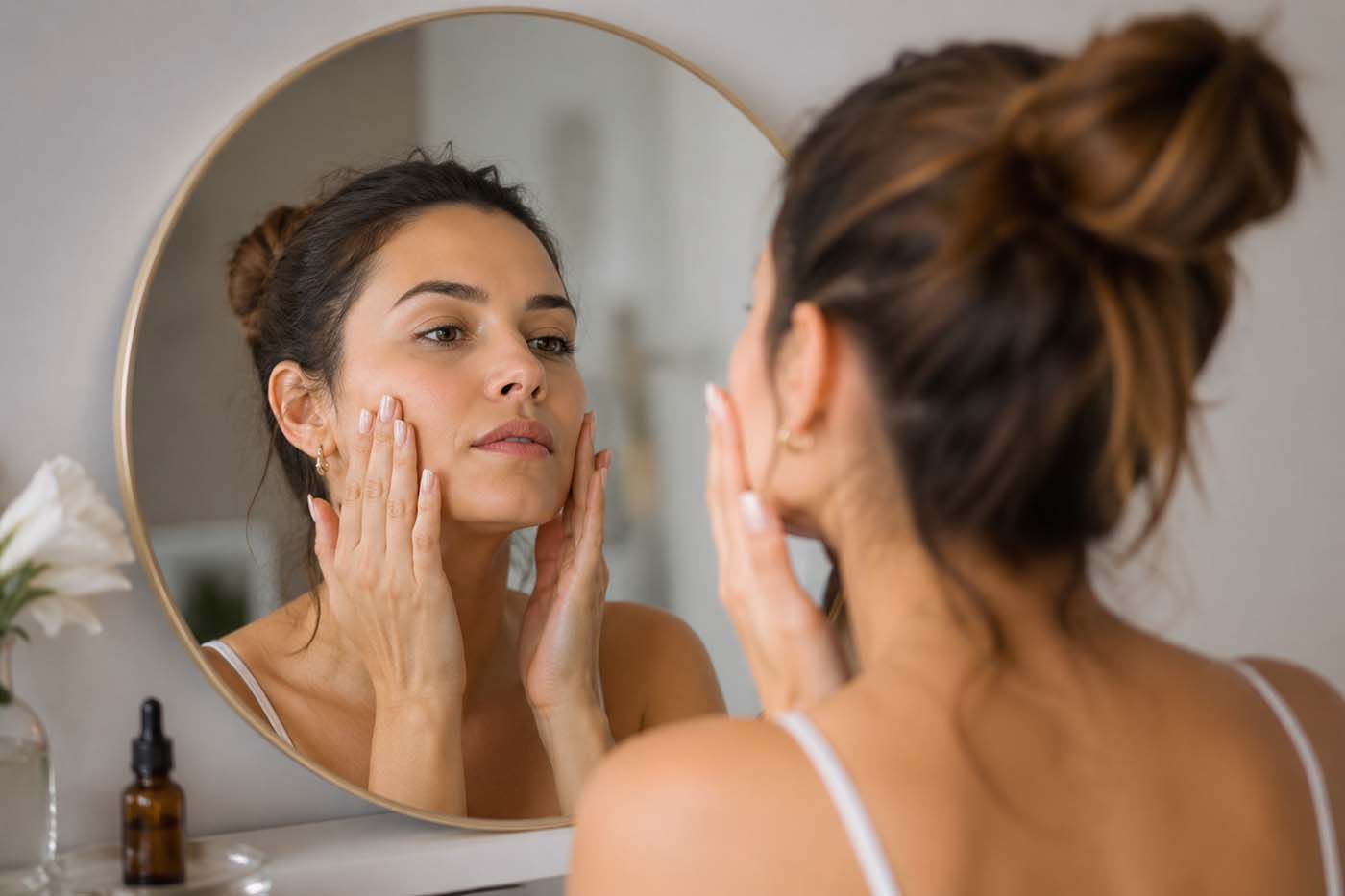
While injectables often dominate the conversation, skin quality plays a central role in overall appearance. Treatments that focus on improving the skin itself often produce more refined and long-lasting results.
Daily sun protection remains one of the most important steps in any routine. Beyond this, ingredients such as retinoids, antioxidants and targeted serums can support collagen production, improve texture and maintain clarity. These need to be introduced gradually, particularly for sensitive skin, to avoid irritation.
Professional treatments such as microneedling, laser therapy and medical-grade facials can further enhance results when used alongside a consistent home routine.
A more considered approach to ageing
The perception of ageing has evolved. Many patients are no longer trying to look significantly younger but instead want to look well, rested and confident. This shift has influenced how treatments are approached.
Surgical procedures such as facelifts are also being discussed more openly. While they can deliver significant results, they remain complex medical procedures that require careful consideration. Recovery, risks and long-term planning must all be part of the conversation.
For many patients, non-surgical treatments combined with strong skincare habits provide a more suitable path. The goal is often refinement rather than transformation.
The Dermasurge approach to aesthetics in London
At Dermasurge, the focus is on medically led, patient-first care. As a leading aesthetics clinic London patients trust and with over 25 years of experience, the clinic takes a conservative and personalised approach to treatment.
Every patient begins with a detailed consultation. Rather than offering standardised solutions, treatment plans are designed around individual anatomy, concerns and long-term goals. This ensures that results remain natural and appropriate over time.
The clinic is led by Dr Hiba Injibar, who has been a Consultant Dermatologist for over 25 years, has extensive experience in both medical and cosmetic dermatology. Her approach prioritises skin health, safety and subtle enhancement.
Treatments are selected carefully and may include advanced skincare, laser procedures, regenerative treatments and injectables where appropriate. The emphasis is always on achieving balance and maintaining the integrity of the skin.
As a trusted skin clinic London patients rely on, Dermasurge also places strong importance on education. Patients are guided through each step of their journey, with clear explanations of benefits, limitations and potential risks.
Making informed decisions
The growth of the aesthetics industry has created more choice than ever before. While this offers opportunities, it also requires patients to be more discerning.
A well-informed decision should consider:
– The qualifications and experience of the practitioner
– Whether the treatment is appropriate for your specific concern
– The potential risks and side effects
– The long-term maintenance involved
Aesthetic treatments can enhance confidence and support skin health when approached correctly. The most effective results are often those that are barely noticeable to others but meaningful to the individual.
In a city like London, where options are extensive, choosing a reputable aesthetics clinic London patients trust makes a significant difference. A careful, medically led approach will always deliver more reliable and natural outcomes than trend-driven decisions.