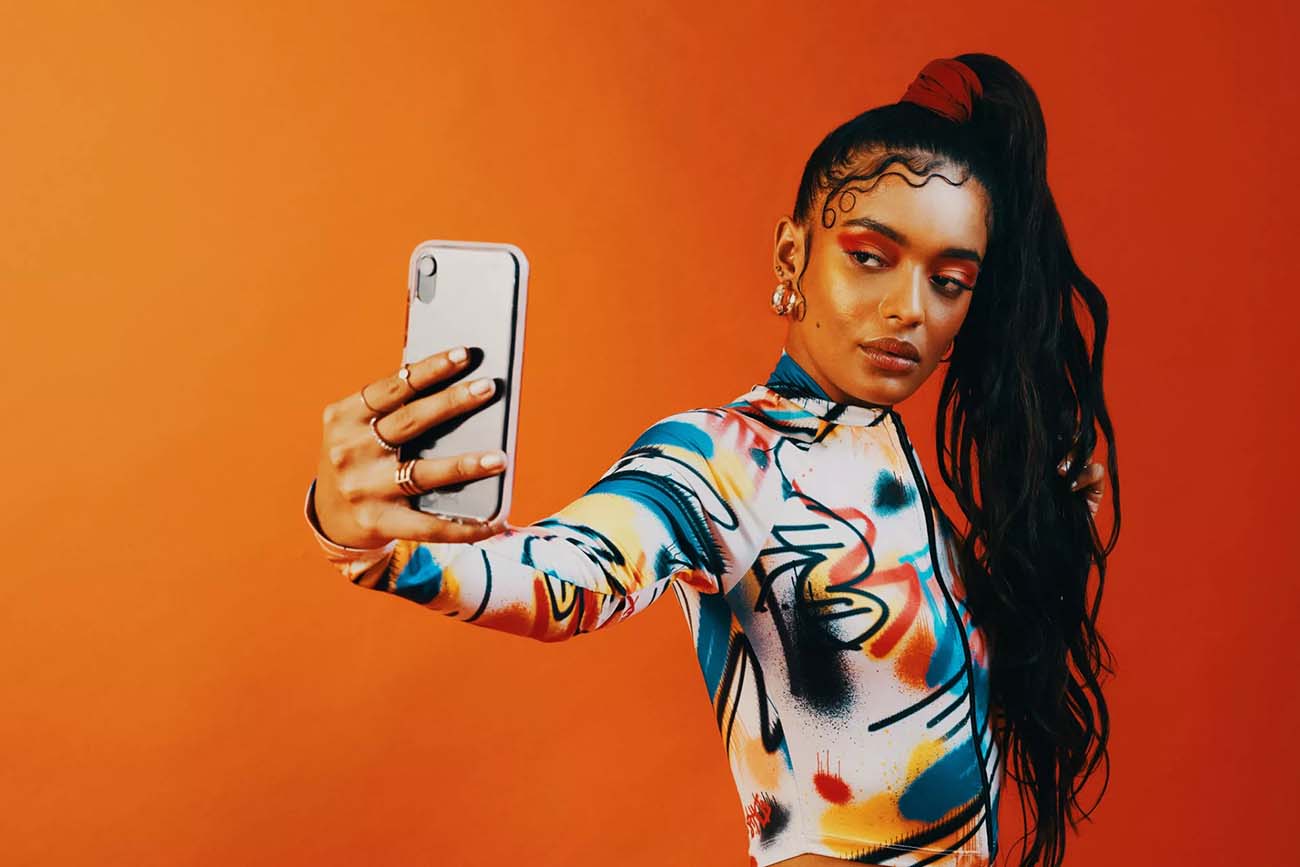
Human hair extensions have quietly become one of the defining materials of contemporary self-presentation. Once confined to salon makeovers and celebrity transformations, they now sit at the intersection of personal branding, performance, and everyday grooming. In a culture where images circulate faster than people, hair has become a stabilising anchor, something consistent, recognisable, and designed.
Human hair carries a particular gravity. It moves, reflects light, absorbs colour, and ages in ways synthetic fibres struggle to replicate. For anyone whose appearance is part of their public or private identity — creators, performers, or simply the image-conscious — it offers a material realism that aligns the physical body with the digital persona.
Visual Consistency for Influencers and Creators
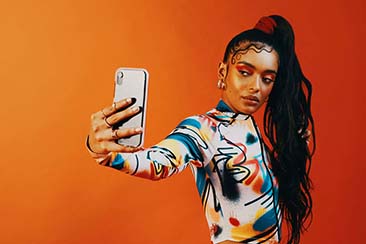
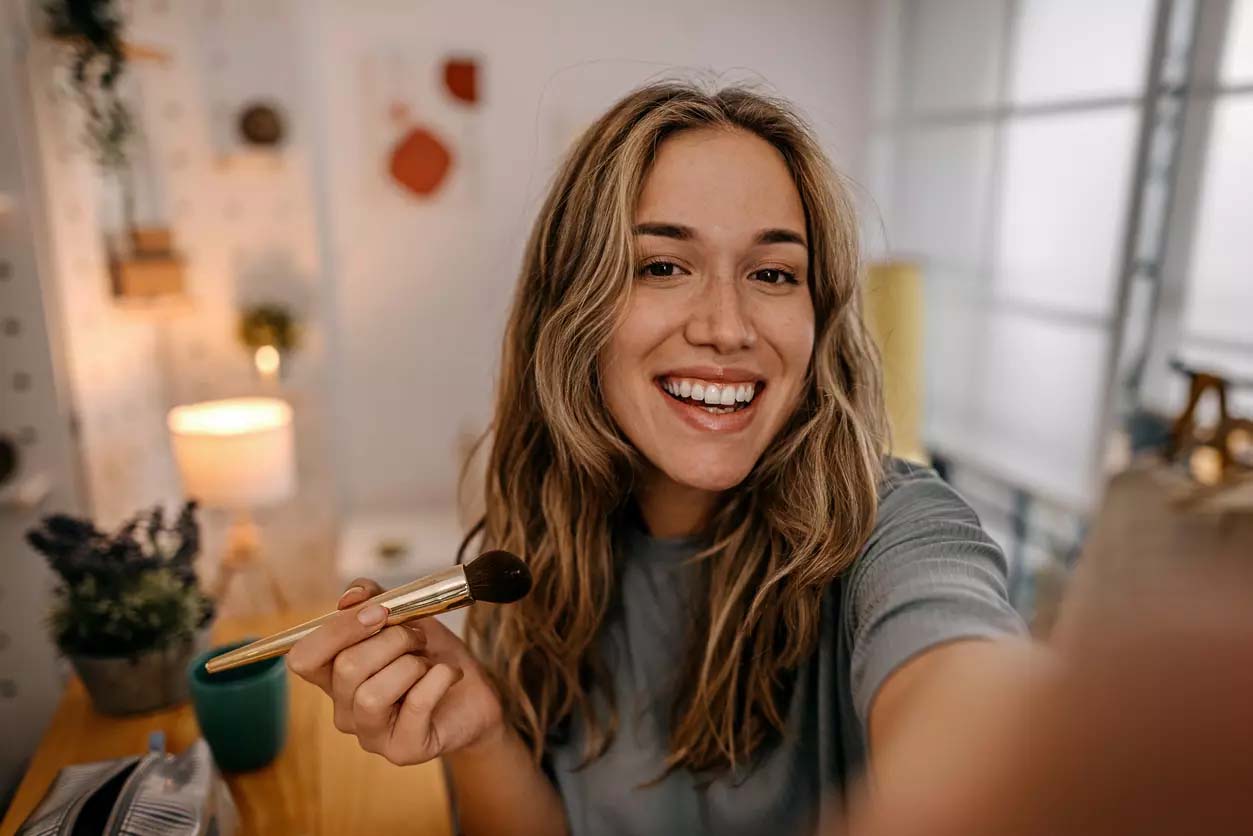
For influencers and content creators, human hair extensions function as part of the production toolkit. Length, density, and tone are rarely incidental; they are calibrated components of a recognisable visual identity.
A consistent hair silhouette across posts builds familiarity, in the same way a consistent tone of voice or visual palette does. Human hair allows creators to maintain that continuity while still adapting to campaigns, seasons, or evolving aesthetics. It can be lightened, darkened, waved, cut, layered, and rebuilt without sacrificing believability.
In high-resolution video and photography, movement matters. Human hair catches light differently, falls with subtle irregularity, and responds to motion in a way that reads as authentic on camera. For creators working with brands, modelling, or subscription platforms, extensions become a recurring operational expense; closer to equipment than indulgence.
Sculptural Volume in Drag Performance
Drag has long treated hair as a structural element rather than an accessory. Volume defines silhouette; silhouette defines character. Human hair wigs and extensions sit at the premium end of this ecosystem because they tolerate the demands of performance: repeated heat styling, heavy products, travel, and constant restyling.
A human hair wig can be teased into architectural height, smoothed into precision shapes, or worn sleek and natural depending on the narrative of the performance. Under stage lighting and HD cameras, human hair retains depth and movement, avoiding the uniform sheen that can flatten synthetic fibres.
Drag remains one of the most innovative laboratories for mainstream beauty. Techniques pioneered on stage—lace fronts, custom hairlines, multi-tonal blending—often filter into salon and influencer culture years later. In that sense, human hair in drag is not just aesthetic; it is R&D for the beauty industry.
Hyper-Realism in Cosplay and Character Work
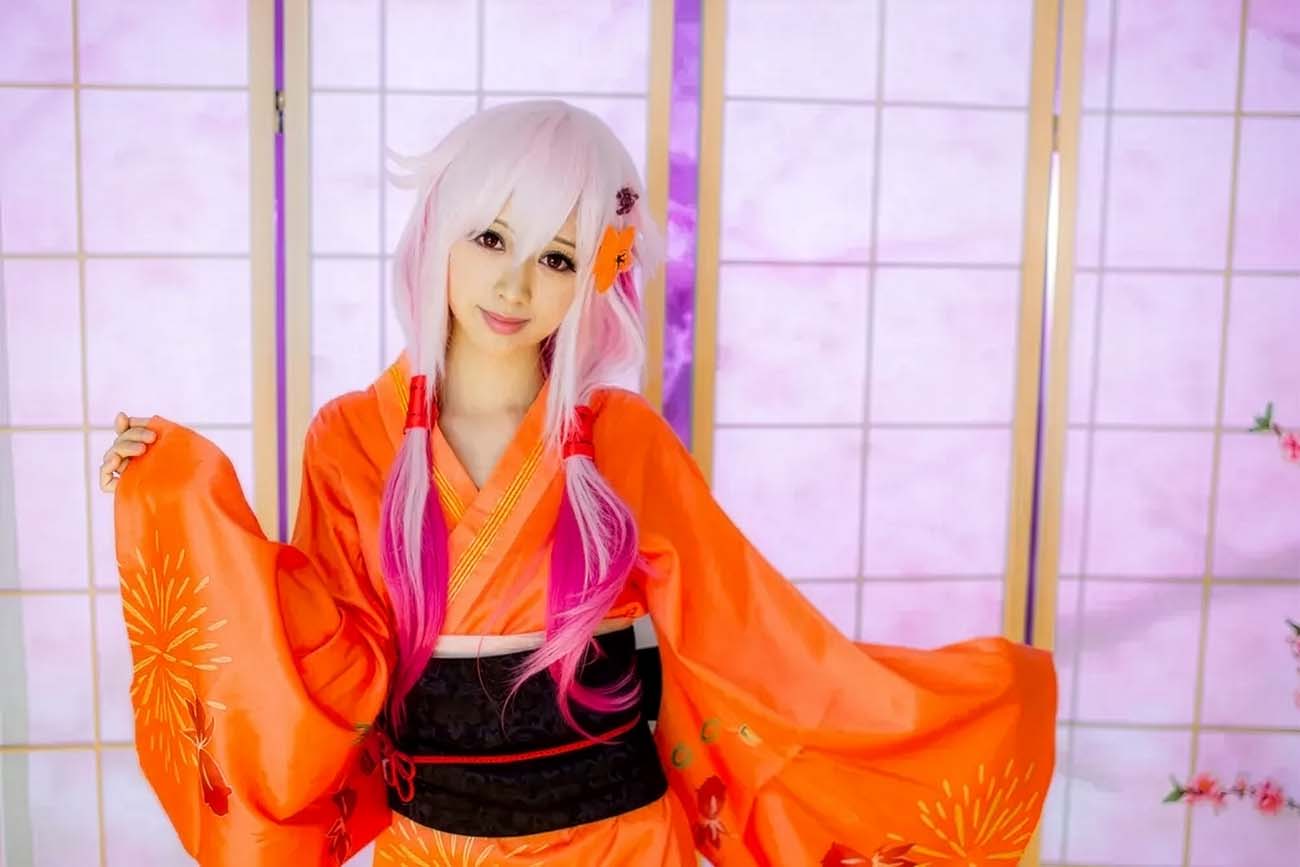
Cosplay has shifted from convention culture to a form of high-production visual storytelling. Creators now produce editorial-grade photography, cinematic video, and narrative series where the line between fashion, fantasy, and performance blurs.
Human hair extensions and wigs are increasingly used to achieve colour complexity, realistic movement, and believable texture, particularly in close-up shots. Custom-dyed human hair allows for nuanced gradients and tones that synthetic fibres often render flatly. Lace-front constructions create convincing hairlines that withstand scrutiny in macro photography.
Many cosplayers now use hybrid systems—synthetic bases for structural volume with human hair front pieces for realism. This layered approach mirrors film and fashion styling, where authenticity in detail sells the illusion.
Everyday Social Signalling
Beyond creators and performers, human hair extensions operate as subtle social indicators. Length and density have long been associated with time, resources, and care. In contemporary urban life, extensions allow wearers to access that visual language without waiting for biology to cooperate.
Human hair, in particular, signals intention. It blends seamlessly with natural hair, responds to environmental light, and can be styled without the stiffness that gives away enhancement. The shift from secrecy to acceptance has reframed extensions as part of grooming culture, not deception.
In workplaces, dating apps, and social settings, hair becomes a soft marker of aesthetic alignment, effort, and taste. Extensions allow wearers to curate that signal with precision.
Material Performance and Longevity
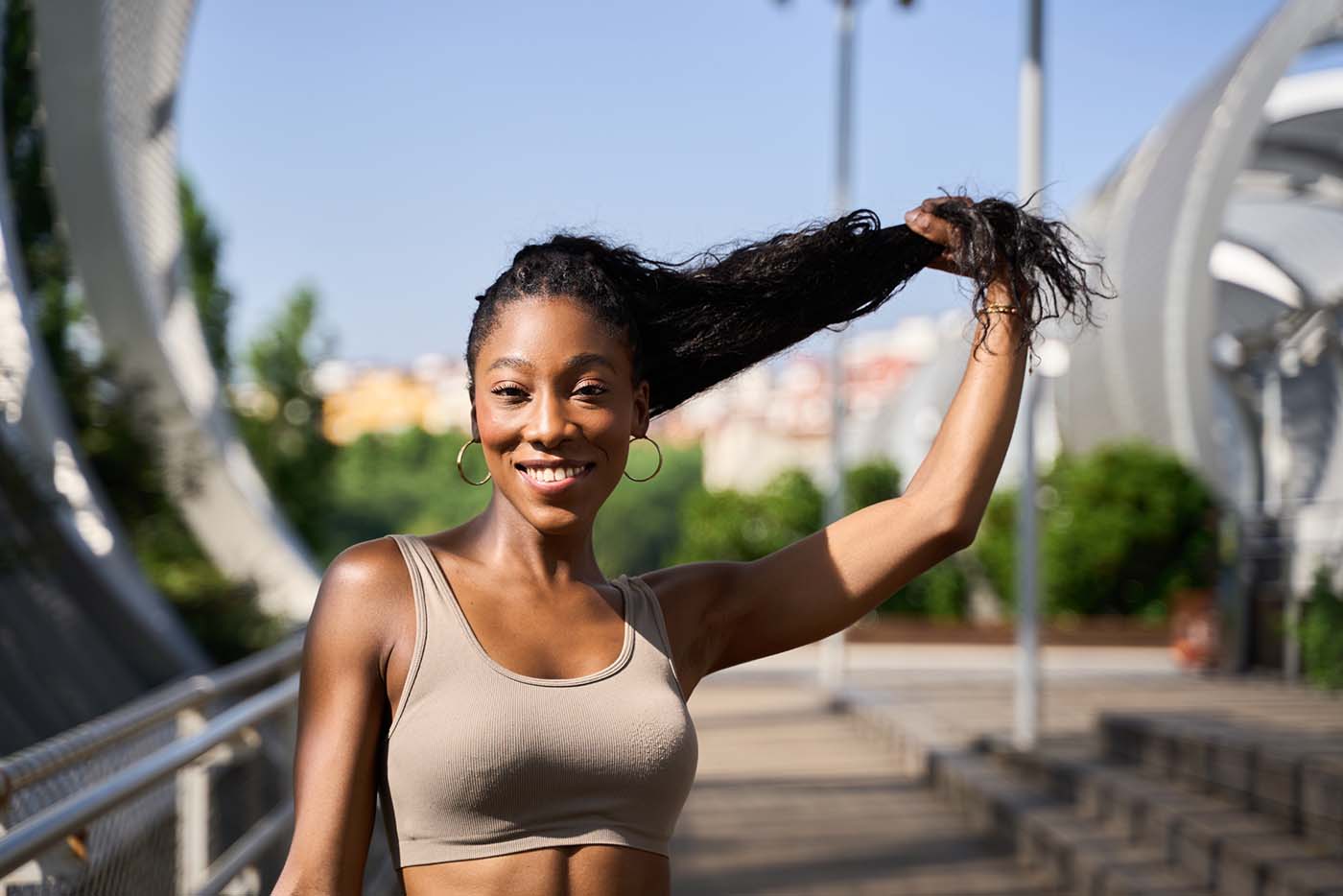
From a material perspective, human hair extensions occupy a different category to synthetic alternatives. High-quality Remy hair retains cuticle alignment, allowing strands to reflect light evenly and resist tangling. Double-drawn bundles maintain density from root to tip, avoiding the tapering that can make hair appear thin.
Human hair can be recoloured, toned, heat-styled, and reinstalled multiple times, extending its lifespan and allowing wearers to adapt looks without replacing the entire system. For frequent wearers, this durability often offsets the initial cost, turning extensions into a long-term material investment.
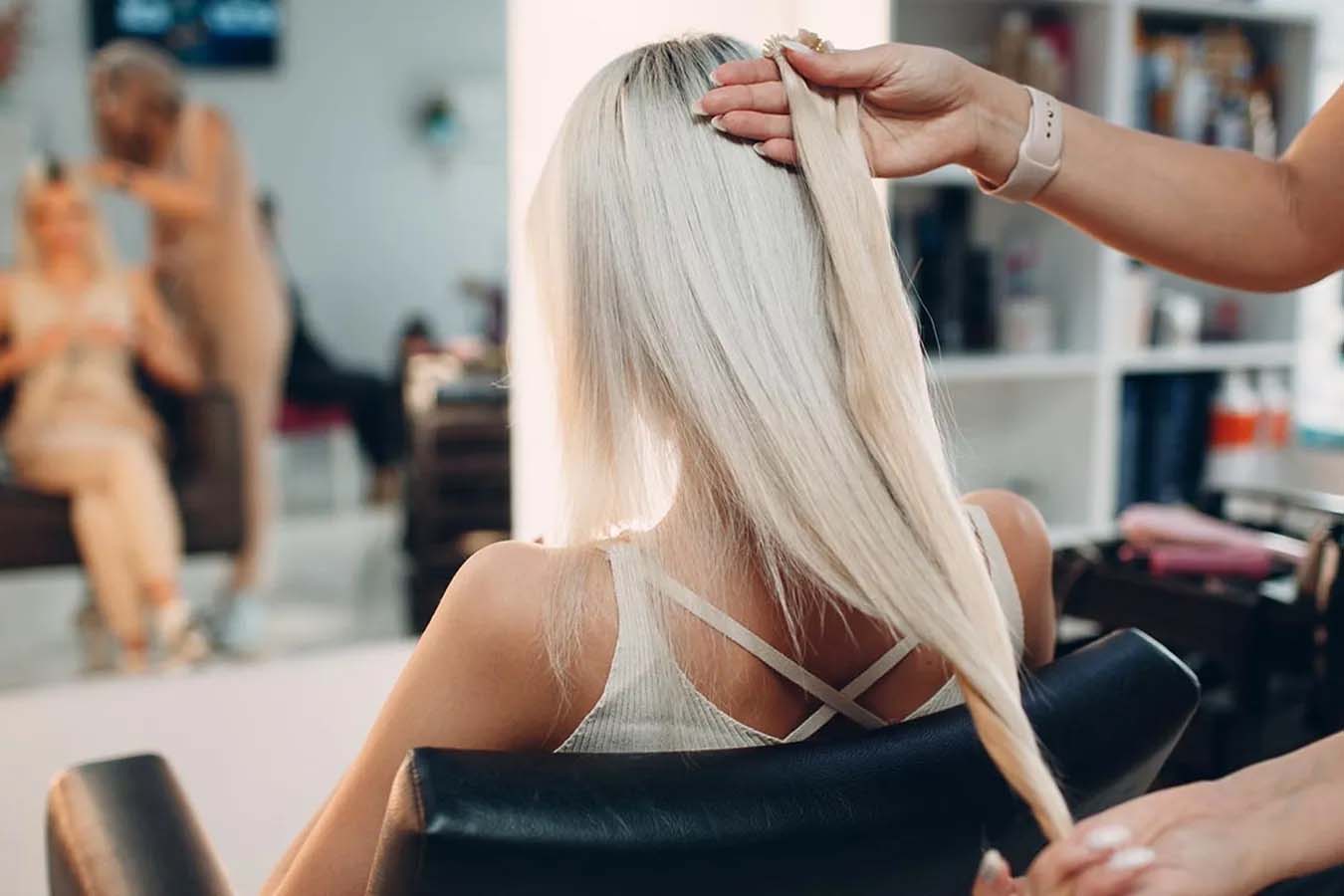
In salons, bespoke blending—matching undertones, density, and texture—has turned extensions into a form of custom textile work, tailored to individual heads rather than mass-produced templates.
A Tool for Personal Reinvention
Extensions provide a controlled mechanism for change. Length, colour, and density can be altered without committing to permanent chemical processes or long growth cycles. This modularity mirrors how people curate identity across digital platforms: different looks for different contexts, without erasing continuity.
For some, extensions are practical—adding volume or length where genetics fall short. For others, they are expressive, enabling dramatic shifts between personas. In both cases, human hair extensions function as a physical interface between self-image and public image.
Human Hair as Contemporary Material Culture
Human hair extensions are increasingly understood as design objects and professional infrastructure rather than cosmetic extras. Salons offer invisible attachment systems, colour-matched blends, and maintenance schedules that resemble subscription services. Creators build hair costs into production budgets. Performers design wigs as integral components of character.
As visual culture becomes more central to work, relationships, and self-expression, hair remains one of the most immediate and controllable signals. Human hair, with its realism and adaptability, continues to sit at the centre of that system.
In influencer feeds, on stage, in character work, and in everyday life, extensions are less about illusion and more about construction—the quiet engineering behind contemporary identity.
Exploring High-Quality Human Hair Extensions with Hickenbick Hair
For anyone looking to experience human hair extensions at a professional level—whether for everyday wear, creative work, or salon use—Hickenbick Hair sits among the more established names in the category. With a catalogue that spans lengths, textures, colours, and attachment systems, the brand positions itself as a one-stop resource for both stylists and consumers.
1. A Broad Extension Ecosystem: Hickenbick Hair’s catalogue spans bonding, tape, microring, and clip in hair extensions, alongside ponytails, fringes, and styling accessories. This range makes it possible to switch between long-term transformations and temporary styling, depending on how permanent—or playful—the look needs to be..
2. Professional-Grade Remy Human Hair: The brand focuses on 100% Remy human hair, processed with cuticles aligned to reduce tangling and maintain shine. Double-drawn bundles help preserve density from root to tip, a detail that matters when extensions are worn for volume rather than length alone.
3. A Network Built for Salons and Creators: More than 4,000 partner salons work with Hickenbick Hair, and the brand collaborates with influencers and media-facing talent, reflecting how extensions have become part of contemporary image production. An in-house Extensions Academy provides training and certification for professionals working with multiple systems.
4. Global Distribution and Support: With international shipping and dedicated customer support, Hickenbick Hair positions itself as a scalable supplier for both individual wearers and professional salons, combining product range with logistics and education.
For those interested in exploring human hair extensions at a professional level, Hickenbick Hair offers a broad entry point into the category, from everyday wear to salon-grade systems.
Hair as a Contemporary Design Choice
Human hair extensions now occupy a familiar place in modern routines. They sit alongside skincare, tailoring, and interior styling as tools people use to shape how they feel and how they are seen. For influencers and performers, they are part of professional image-making; for everyday wearers, they are a practical way to add length, volume, or colour without long-term commitment.
What continues to set human hair apart is its behaviour. It moves naturally, reflects light with subtle variation, and can be styled, coloured, and adapted over time. That material quality makes it easy to integrate into real lives—whether for daily wear, special occasions, or creative expression.
As visual culture becomes more central to how people communicate, extensions are increasingly treated as part of personal styling rather than something to conceal. They offer flexibility, consistency, and the freedom to experiment, all within a framework that still feels familiar and wearable.