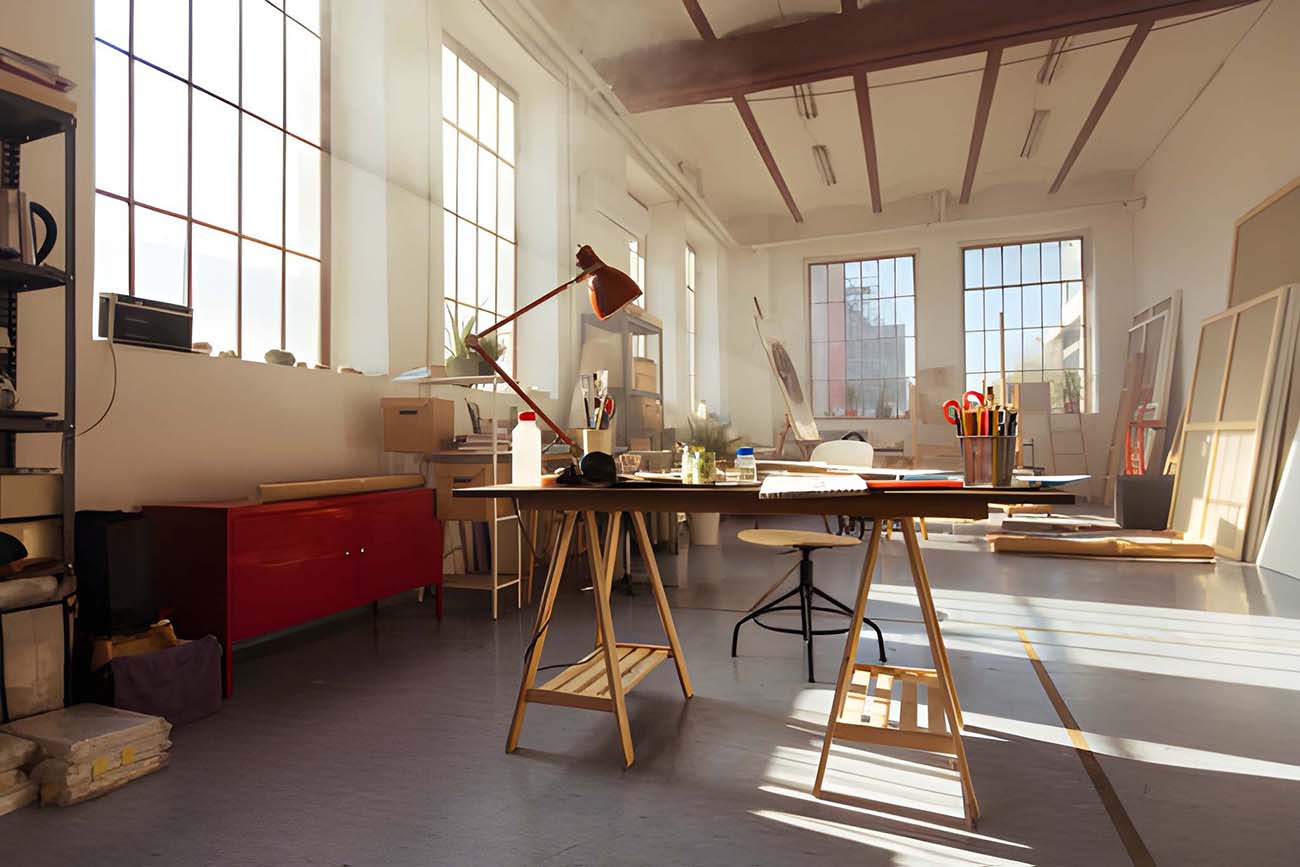
Inspiration seldom arrives empty-handed. As ideas clarify, books, samples, tools, notes, and references accumulate, and the pile may begin competing for space and attention. What started as inspirational fuel becomes visual noise—debris in the midst of making something.
Why does this matter? Clutter doesn’t just take up room. It fragments our focus; it makes it harder to easily access the ideas that actually matter. Recognizing inspiration does not require access to the ball of string or keeping everything visible or within arm’s reach. It requires knowing the difference between what supports your creative flow (now), and what can just rest without getting lost.
In this article we explore how we personally preserve inspiration without overwhelming our environment, and why thoughtful separation protects not just our ideas but also our energy. We talk about simple systems that allow our creativity to be active while keeping our space calm, clear, and ready for the next spark.
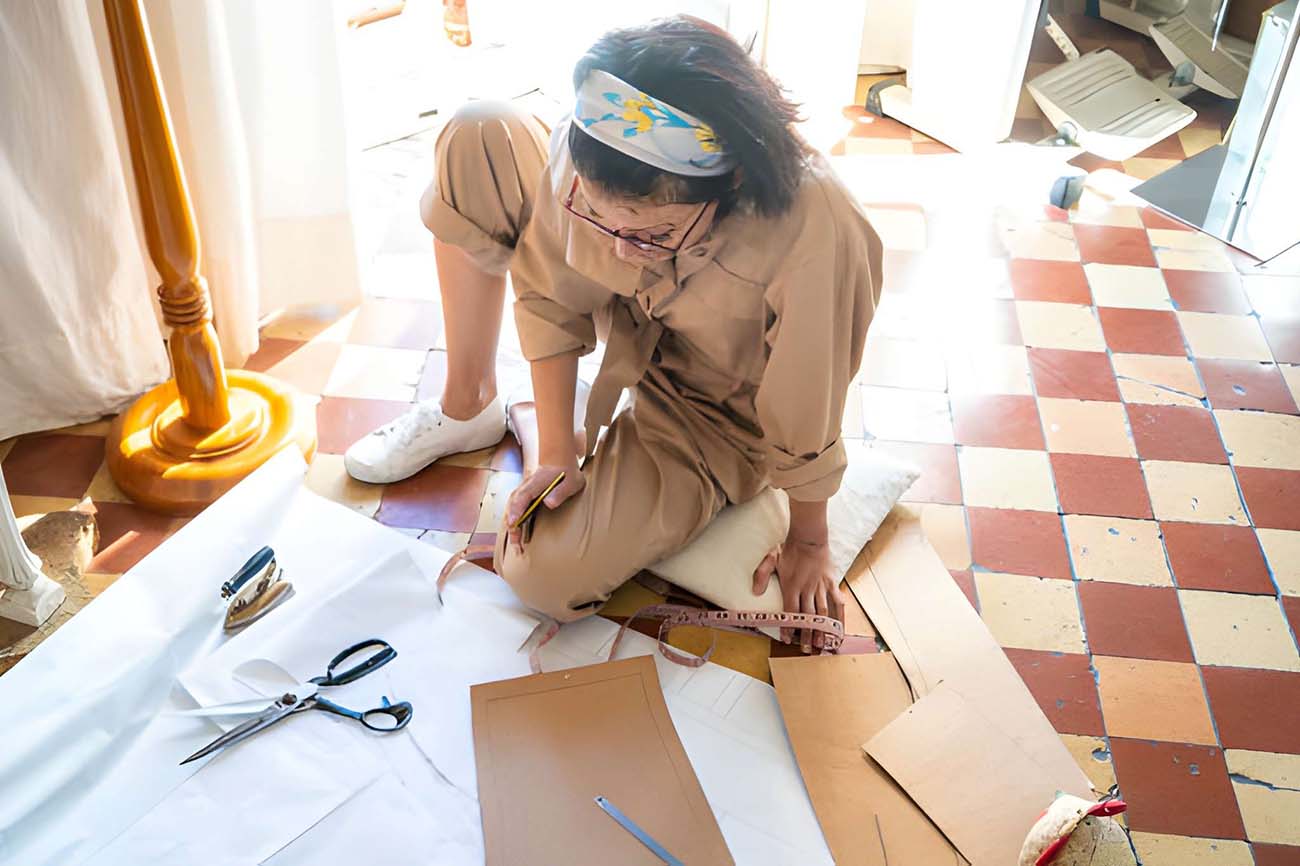
When Creative Energy Creates Physical Clutter
Creative work tends to produce tangible byproducts—sketches, samples, tools, drafts, and reference materials—that accumulation inevitably spills into physical space. At first, this feels productive, even energizing. Over time, though, accumulation starts to blur priorities and distract from active ideas.
This matters because visual overload competes with creative focus, turning inspiration into background noise. Many people hesitate to put materials away out of fear of losing momentum or forgetting ideas. The result is an environment that feels busy rather than generative.
Ignoring this pattern often leads to stalled projects and mental fatigue. Solutions like Quarry Loop Rd units NSA Storage allow creators to separate active inspiration from archival material without discarding either. Once space reflects what’s currently being worked on, creativity regains clarity and direction, making room for intentional systems that support ideas instead of burying them.
Principles For Preserving Ideas Without Overload
Managing inspiration well is about curation, not suppression. A few principles help keep ideas accessible without overwhelming the environment.
Essential Principles To Follow:
Active versus resting ideas
Keep materials tied to current projects visible while allowing dormant ideas to step out of sight safely.
Clear categorization
Group inspiration by project, theme, or medium to reduce search time and distraction.
Protected storage
Store reference materials in conditions that preserve them without demanding constant attention.
Common Pitfalls To Avoid:
– Keeping all materials visible out of fear of forgetting
– Mixing unrelated projects in the same space
– Letting unfinished ideas dominate active work areas
– Treating storage as abandonment instead of preservation

How People Store Inspiration Intentionally
People who keep creative spaces clear treat inspiration as something to manage, not hoard. They start by defining what’s actively feeding current work and what belongs to future or paused projects. Active materials stay close and visible, while everything else is organized into clearly labeled groups that reflect themes, formats, or stages of development.
Items are stored in ways that protect them without breaking their context, so ideas can be revisited without friction. Regular reviews help move materials in or out of active space as focus shifts. This approach keeps creativity accessible without overwhelming the environment. Over time, intentional storage turns inspiration into a renewable resource—available when needed, quiet when not.
Common Traps That Drain Creative Focus
Why Does Keeping Everything Visible Backfire?
Too much visual input competes for attention. Instead of inspiring action, it creates noise and indecision.
What Happens When Projects Aren’t Clearly Separated?
Ideas blur together. Focus weakens and progress slows as priorities compete.
How Does Guilt Prevent Letting Ideas Rest?
People fear losing inspiration. In reality, resting ideas often return clearer and stronger.
Long-Term Clarity From Curated Inspiration
When inspiration is cultivated rather than harvested, our creative spaces stay stimulating rather than overwhelming. Our focus becomes more exacting, ideas emerge easily, and we can make visible progress without fighting a constant visual tangle. Over time, we can have active works and future works peacefully coexist.
Review your creative materials, separate active projects from resting ideas, and create a clear system that preserves inspiration without letting it take over your space.
Common Questions About Managing Creative Materials
Does storing inspiration reduce creativity?
No. Removing excess actually improves focus and makes active ideas easier to access.
How often should creative materials be reviewed?
Only when focus shifts or projects change. Regular but infrequent reviews prevent buildup.
What’s the best way to avoid forgetting stored ideas?
Clear labeling and grouping by theme or project maintain context without clutter.
Is digital storage enough for creative inspiration?
Sometimes, but physical materials still benefit from intentional organization. The key is balance, not replacement.