People want what they cannot have. This simple truth drives modern culture. It fuels fashion hype. It launches memes. It even sells digital art. Now, a fascinating shift is happening. Physical objects are becoming ephemeral by design.
The ‘limited drop’ model is everywhere. It redefines what we find collectible. Scarcity is no longer a natural condition. It is a deliberate strategy. This creates a new kind of desire. It transforms ordinary items into coveted treasures. Their value comes from their imminent disappearance.

More Than Just iPhone Cases
Consider iPhone cases. An iPhone case serves a basic need. It guards against cracks. It provides grip. For most people, that is enough. But some accessory makers see a bigger picture. They view this canvas differently. They treat each release as a transient art piece.
These companies operate like tiny galleries. They drop a new ‘exhibition’ every few months. The designs are bold. They are unexpected. They reference pop art or obscure vintage prints. Then, the design vanishes. It becomes a memory. This process changes everything. A functional item earns the status of a collectible design object.
The Thrill of the Hunt
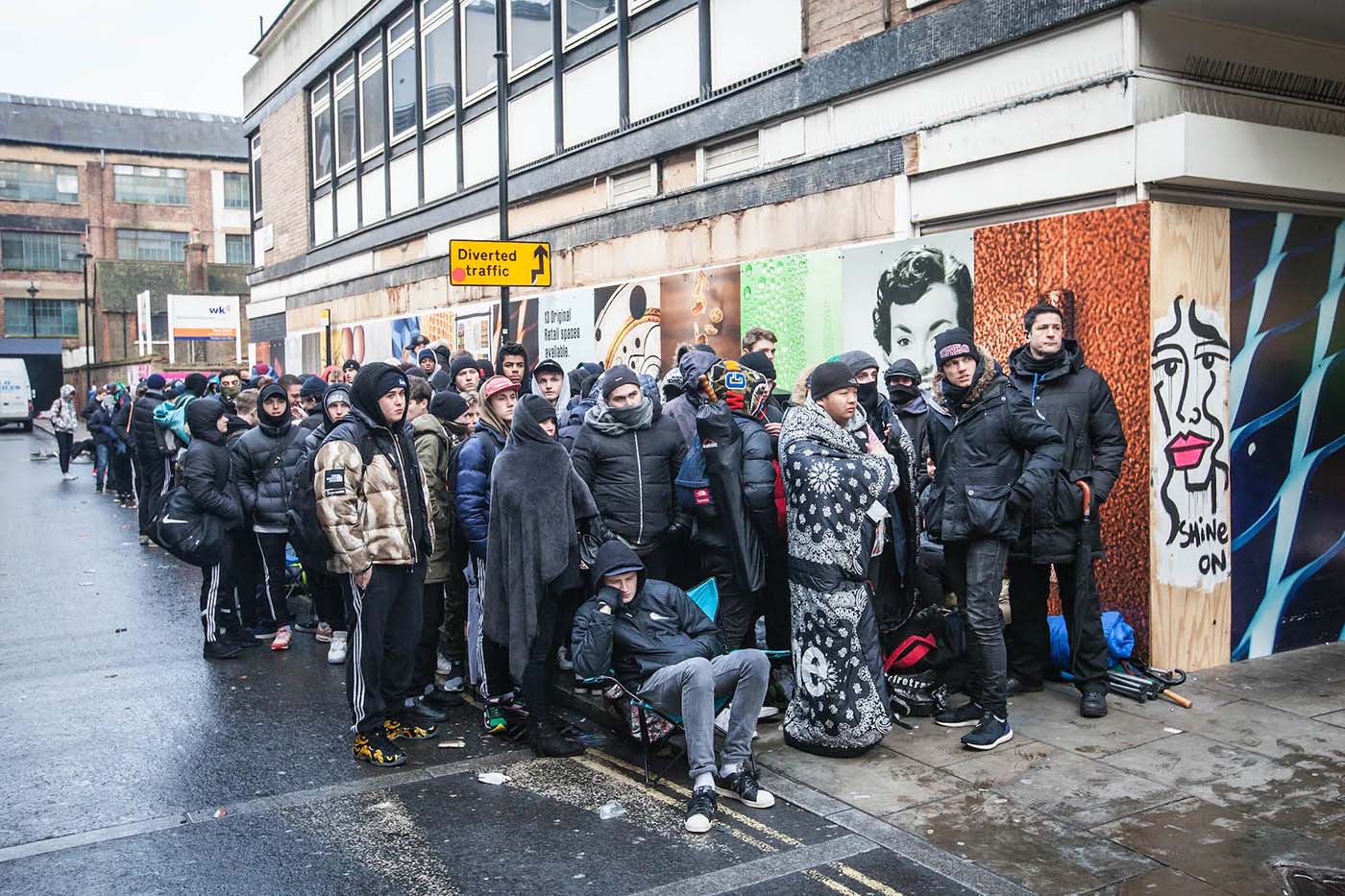
Psychology plays a huge role here. Artificial scarcity triggers deep instincts. Knowing something will be gone soon creates urgency. It feels like a secret about to be lost. The drop model harnesses this perfectly. Announcements are sudden. Hype builds fast online. Dedicated fans set alarms. They hover over websites. The digital queue becomes a tense waiting room.
A successful purchase feels like a victory. It is a personal achievement. Missing out feels like a genuine loss. This emotional rollercoaster is addictive. It turns shopping into an event. It transforms customers into devoted hunters.
Transient Art for Everyday Life
These objects live fascinating double lives. They are art with a daily job. Imagine a rare art book. You display it. You handle it carefully. Now imagine that book protects your phone all day. That is the magic here.
These limited-edition accessories are like wearable, usable gallery pieces. They bridge a gap. They connect high-concept design with mundane reality. A beautifully printed case might reference a famous sculpture. It could mimic a forgotten textile pattern. This adds layers of meaning. The user carries a story. They engage with art constantly. It is democratic. It is personal.

Building a New Collecting Logic
Traditional collecting follows certain rules. Age often increases value. Historical significance matters. Rarity is usually inherent. The new model rewrites these rules. Value is driven purely by planned ephemeral availability. The object is new. Its scarcity is manufactured. Its importance comes from cultural momentum. It is closer to a limited-run concert poster than a vintage stamp.
Phone accessory companies understand this. They create narratives around each piece. They talk about inspiration. They highlight the artist. This story becomes part of the product’s worth. People buy the narrative as much as the object.
Community and Cultural Cachet
Ownership grants instant membership. Buying a sold-out drop means joining a club. Social media feeds fill with unboxing videos. People share their ‘wins’. This public celebration builds community. It also builds cultural cachet. Possessing something others want is powerful. It signals being ‘in the know’. It shows you move quickly. You understand the rules of the new game.
This social proof is incredibly valuable. It makes the object a badge. It is a physical token of digital-era savvy. The item itself is cool. The recognition from owning it is often cooler.
The Aftermarket Museum
When the official drop ends, a secondary stage begins. Sold-out designs migrate to resale platforms. Prices can triple or more. This aftermarket acts like an unplanned museum. It catalogs what was desired. It assigns new monetary value to that desire. This speculative element adds excitement. It validates the original purchase.
It also creates a new collector archetype. Some buy to use. Others buy to invest. This dynamic mirrors the art world perfectly. It blurs lines between enthusiast and investor. The object’s journey continues. Its story gets more complex with each resale.
Ephemeral Design, Permanent Shift
This trend signals a permanent change. Our relationship with objects is evolving. Durability is no longer the sole measure of value. Temporary availability creates its own powerful worth. This model will spread. We will see it for other tech accessories. It will influence home goods and apparel further.
The core idea is compelling. It makes consumption feel special. It turns mass-produced items into singular finds. In a world flooded with stuff, the true luxury is something almost nobody else can get. Ephemeral design masters that feeling. It sells a moment. The object is just a beautiful souvenir.