Smart hospitality in 2026 means you use connected hotel tech, real-time data, and automation to create better guest stays while running a more efficient business. In 2026, smart hospitality blends AI, connected devices, and data-driven tools to improve guest experiences, increase revenue, and support sustainable hotel operations.
You now see hotel technology trends like AI-powered pricing, smart rooms, mobile check-in, and predictive maintenance shaping the hospitality industry. As you explore smart hospitality, you will see how new systems elevate the guest journey, improve daily operations, and support greener practices. From revenue optimization to energy management, today’s hotel tech helps you stay competitive in a fast-changing market.
Key Technologies Transforming Smart Hospitality
Smart hospitality in 2026 runs on connected systems that share data in real time. You rely on AI, IoT devices, cloud-based property management systems, and automation tools to manage revenue, service, and maintenance from one digital backbone.
Artificial Intelligence in Hospitality
Artificial intelligence in hospitality now supports daily operations, not just marketing chatbots. You use it to forecast demand, adjust room rates, and improve labor planning with predictive analytics.
Modern hotel tech applies AI to revenue management, guest messaging, and room assignment. Systems study booking pace, local demand, and guest history to suggest price changes or upgrades. This helps you protect margins without constant manual checks.
AI also powers the digital concierge. Guests ask questions through chat or messaging apps, and the system gives instant answers based on property data.
You can also use AI-driven workflow automation to route service requests. When a guest asks for towels, the system assigns the task to the right team member and tracks completion. This reduces missed requests and speeds up response time.
AI works best when it connects to your hotel management systems and unified guest profiles. Fragmented systems limit what AI can see and analyze.
Internet of Things and Smart Room Technology
IoT connects physical devices in your hotel to your network. In smart rooms, sensors and controls link lighting, climate, curtains, and entertainment systems. An interactive TV solution also plays a key role here, acting as a central in-room interface where guests can access entertainment, order services, explore hotel amenities, and control room features from a single screen.
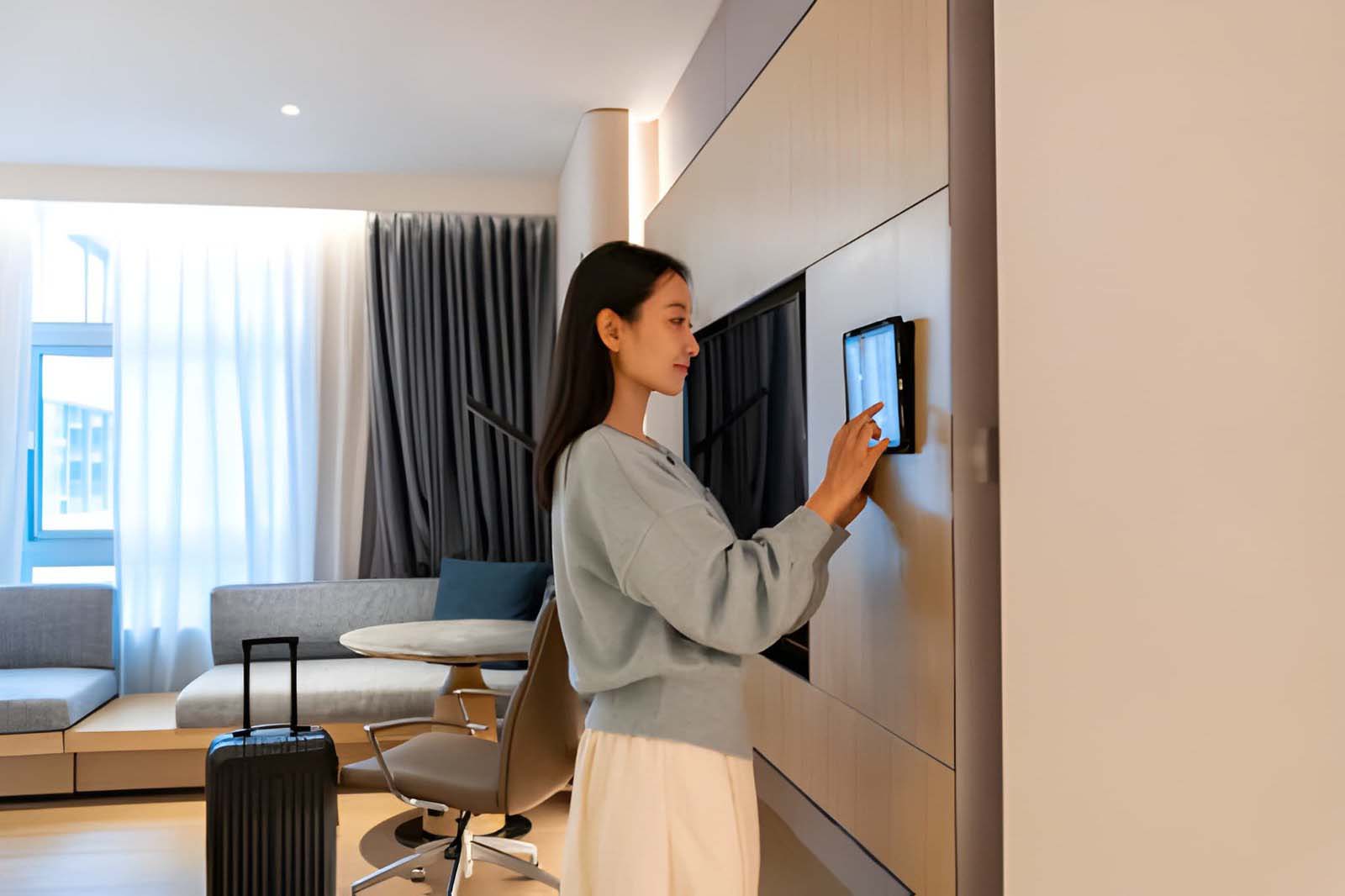
Guests adjust room settings from a mobile app or in-room tablet. Smart room technology saves preferences, so repeat guests can get the same setup on their next stay.
Common IoT features include:
— Smart thermostats that lower energy use when rooms are empty
— Motion sensors that trigger lighting
— Connected minibars that track consumption
— Digital key access through mobile devices
These tools improve comfort while helping you control costs.
When you connect IoT devices to your property management systems, you gain better visibility. For example, your PMS can alert housekeeping when a guest checks out, and the room status updates in real time. That tight link between hardware and hospitality software supports faster room turnover and better energy control.
Cloud-Based and Integrated Hotel Systems
Cloud-based property management has become the standard. A cloud PMS lets you access data from any device with secure login credentials.
You avoid heavy on-site servers and manual updates. Vendors push system upgrades automatically, which keeps your hotel tech current without downtime.
Integrated hotel management systems bring together:
Front desk operation | Housekeeping | Payments | Spa | Dining |
When these tools share one database, you reduce duplicate data entry. You also get a single guest record that tracks stays, preferences, and spending across the property.
Cloud-based property management also supports centralized control for multi-property groups. You can view performance, occupancy, and revenue data across locations in real time. That helps you make faster, data-driven decisions.
Automation and Predictive Maintenance
Automation reduces manual work across departments. You use workflow automation to assign tasks, track progress, and send alerts without phone calls or paper logs.
For example, when a guest submits a request through a mobile app, the system routes it to housekeeping or maintenance. Staff receive updates on mobile devices, which keeps communication clear.
Predictive maintenance uses data from IoT sensors and equipment logs. Instead of waiting for a breakdown, your system flags unusual patterns, such as rising energy use or irregular motor cycles.
You can then schedule service before equipment fails. This approach lowers repair costs and limits room downtime.
When predictive maintenance connects to your cloud PMS and other hospitality software, you see maintenance status alongside room inventory. That helps you plan repairs without disrupting guest stays.
Elevating the Guest Journey and Experience
Smart hospitality in 2026 centers on speed, control, and relevance. You improve the guest journey when you remove friction, use data with care, and give guests tools that work on their phones.
Contactless Check-In and Digital Keys
You now treat contactless check-in as a core part of the arrival process, not an add-on.
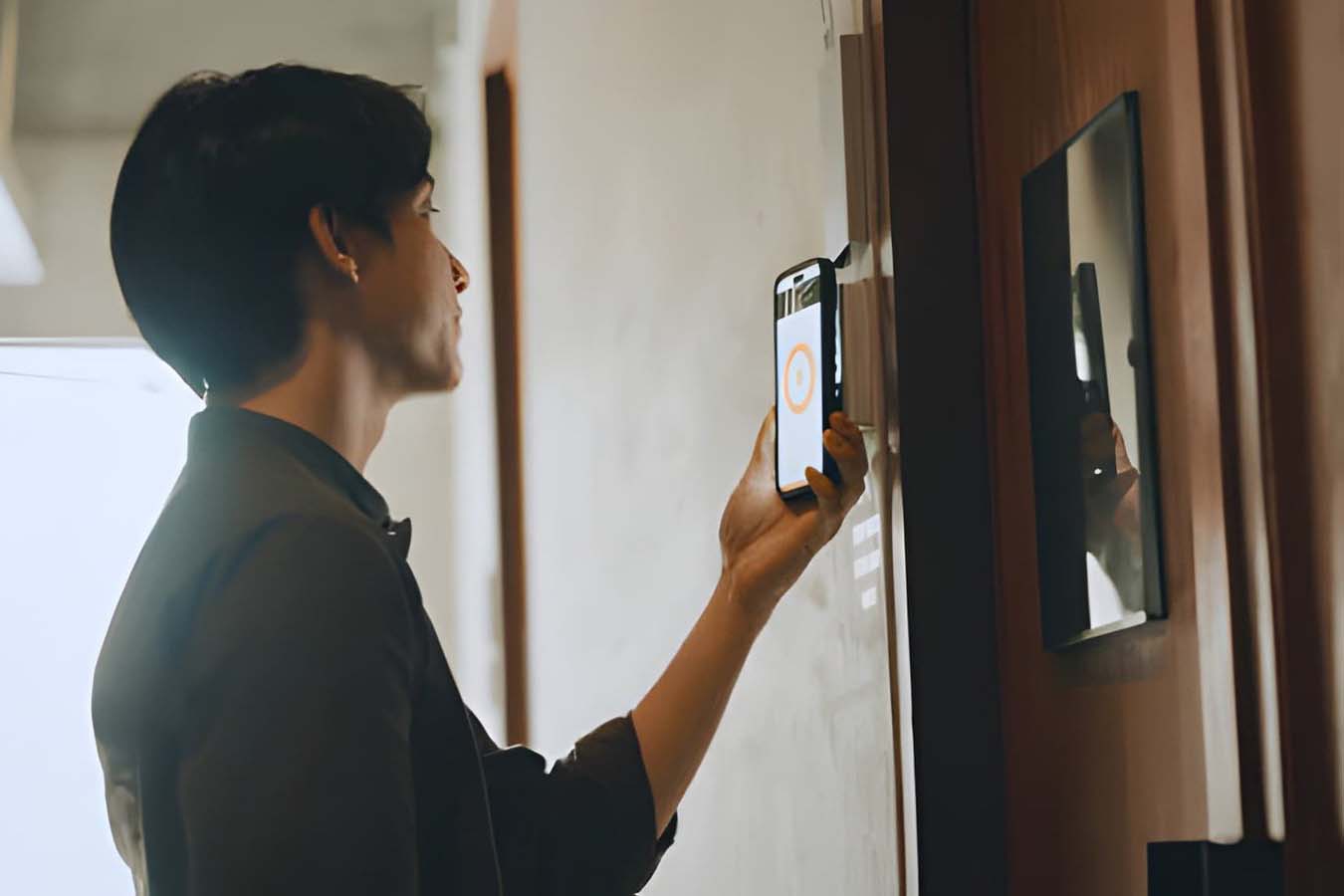
With mobile check-in, guests confirm details, upload ID, and receive a digital key before they arrive. They skip the front desk and go straight to their room. This shortens wait times and lifts your guest satisfaction score, especially during peak hours.
Digital room keys work through mobile apps or wallet apps. Many properties add biometric authentication, such as facial or fingerprint scans, for added security.
These tools support full contactless journeys, from parking access to elevator control. When you remove small delays, you create a smoother first impression and reduce pressure on front desk staff.
Personalization and Hyper-Personalization
Basic personalization uses a guest’s name and stay history. Hyper-personalization goes further.
You connect booking data, past purchases, and in-stay behavior to shape personalized guest experiences. For example, your system can:
— Adjust room temperature before arrival
— Recommend spa times based on past bookings
— Suggest dining options that match diet preferences
AI tools analyze this data in real time. Some hotels now use predictive systems that flag likely needs, such as late checkout or extra pillows.
When you apply this data well, you increase upsells and repeat visits. More important, you make the guest feel understood, which directly impacts guest satisfaction and loyalty.
Mobile Apps, Voice Assistants, and Digital Concierge
Your mobile apps act as the control center for the stay.
Guests use them to open digital keys, order room service, book activities, and chat with staff.
Built-in AI chatbots answer common questions in seconds, any time of day. This reduces call volume and speeds up service.
Inside the room, voice assistants handle tasks like:
— Changing lighting and temperature
— Requesting towels
— Setting wake-up calls
These tools connect to smart room controls, so guests manage their space without touching switches.
A strong virtual concierge also sends real-time suggestions, such as nearby events or on-site offers. When you keep everything in one place, you make the guest journey simple and easy to manage.
Immersive Tech: Virtual & Augmented Reality, Virtual Tours
Virtual reality and augmented reality now shape decisions before and during the stay.
You use virtual tours on your website to show real room layouts, meeting spaces, and views. This reduces booking doubts and lowers cancellation rates because guests know what to expect.
On property, augmented reality adds value to the experience. Guests can point their phone at artwork to see details, or scan a map to get directions through the hotel.
Some resorts also use virtual reality previews for spa treatments or local attractions. These tools support the guest journey from research to post-stay sharing, while helping you stand out in a crowded market.
Optimizing Hotel Operations and Revenue
Smart hotels in 2026 connect pricing, distribution, marketing, and security inside one system. You drive revenue growth when your data flows through a unified property management system and supports fast, clear decisions.
Revenue Management and Dynamic Pricing
You rely on real-time data to guide revenue management. Modern systems track demand, booking pace, local events, and competitor rates in one dashboard.
Dynamic pricing now adjusts room rates throughout the day, not just once. AI tools forecast demand and suggest price changes based on length of stay, booking window, and guest segment.
You protect profit by looking beyond ADR. Track total revenue per guest, including spa, dining, and upgrades. Many hotels now use revenue optimization tools that flag low-margin packages or
discounts that hurt profit.
Your property management system should connect with your revenue platform. When systems share live data, you reduce manual updates and improve operational efficiency.
Direct Bookings and Channel Management
You increase profit when you shift more guests to direct bookings. OTA commissions cut into margins, so you need a clear channel management plan.
Use your website as a sales engine. Add dynamic offers, member-only rates, and personalized packages based on returning guest data. A unified system can adjust offers in real time.
Channel management tools must sync rates and inventory across all platforms. If rates fall out of parity, you risk lost trust and lower conversion.
Focus on:
-Rate parity across channels
-Clear cancellation rules
-Fast booking flow on mobile
-Accurate room and package descriptions
When your property management system updates availability automatically, you avoid overbookings and reduce staff workload.
Ancillary Revenue and Digital Marketing
Rooms no longer drive most of your profit. You grow ancillary revenue through dining, spa, parking, early check-in, and local experiences.
Offer add-ons during booking, pre-arrival emails, and mobile check-in. Context matters. A family sees activity packages, while a business traveler sees late checkout or workspace upgrades.
Use digital marketing to promote these services. Segment your email list by past spend and travel purpose. Run retargeting ads that highlight specific amenities, not just rooms.
Track performance with simple metrics:
| Metric | Why It Matters |
|---|---|
| Attach rate | Shows how often guests buy add-ons |
| Revenue per guest | Measures total spend, not just room rate |
| Campaign conversion | Tracks marketing return |
When your systems connect, you see which offers drive real revenue, not just clicks.
Security Protocols and Data Protection
You handle large amounts of guest data. That includes payment details, ID records, and stay history.
Strong security protocols protect your brand and reduce risk. Use encrypted payment processing, role-based system access, and multi-factor authentication for staff logins.
Cloud-based property management systems must meet clear compliance standards. Ask vendors about data storage location, backup policies, and breach response plans.
Train your staff on phishing risks and password safety. Technology alone does not protect data.
When you treat data protection as part of hotel operations, you protect revenue, guest trust, and long-term growth.
Sustainability and the Future of Smart Hotels
Smart hospitality in 2026 ties hotel sustainability directly to daily operations. You use smart hotel technology to cut energy use, lower costs, and improve operational efficiency without reducing guest comfort.
Energy Efficiency and Eco-Friendly Innovations
Energy use remains one of your largest operating costs. Smart hotel technology now targets this area first.
You can install AI-powered HVAC systems that adjust room temperature based on occupancy data. Motion sensors and connected thermostats reduce heating and cooling in empty rooms. Centralized dashboards show real-time energy use across floors or buildings, so you spot waste fast.
Lighting systems also play a key role. Smart LEDs adjust brightness using daylight sensors and guest preferences. This lowers electricity use and extends bulb life.
Many hotels now connect energy systems to property management software. When a guest checks out, the room shifts to energy-saving mode automatically. These tools support hotel sustainability goals while protecting margins.
You also see growth in on-site renewables. Solar panels, battery storage, and smart grids help you reduce reliance on fossil fuels and manage peak demand charges more effectively.
Sustainable Operations Through Smart Technology
Sustainable operations go beyond energy. You need full visibility into water, waste, and supply chains.
Smart water meters track usage in real time and detect leaks early. This prevents damage and cuts waste. Some systems link to irrigation controls, so landscaping uses only the water it needs.
Food operations also rely on technology. Inventory systems use data to predict demand and reduce over-ordering. This lowers food waste and supports responsible sourcing.
Blockchain and digital tracking tools improve transparency in supply chains. You can verify where food and materials come from, which builds guest trust.
Many hotel tech trends now focus on moving from “net-zero” to “net-positive.” That means you design operations to give back to local communities and ecosystems. Smart hospitality platforms help you measure impact, not just costs.
Workforce Transformation in the Hospitality Industry
Sustainability also changes how you manage your team. Smart hotel technology reduces repetitive tasks and shifts staff toward higher-value work.
AI tools handle room assignments, predictive maintenance alerts, and scheduling. This improves operational efficiency and frees your team to focus on guest service.
You also face ongoing labor shortages. Industry research shows hospitality will need hundreds of millions of workers in the next decade. To compete, you must create better work environments.
Human-centered leadership matters more than ever. You use data to balance shifts fairly, track
workload, and support well-being. Younger workers expect purpose and transparency, especially around hotel sustainability goals.
When you combine smart hospitality tools with strong leadership, you build a workplace that supports both performance and long-term environmental goals.
Conclusion
Smart hospitality in 2026 centers on connected systems, AI-driven insight, and mobile-first guest journeys, and you see the impact when your tools share data and work together. As hotels move from scattered software to unified platforms, you gain clearer visibility into revenue, labor, and guest behavior. These changes help you act faster and make practical decisions based on real-time information.
You also create smoother stays through mobile check-in, digital keys, smart rooms, and personalized offers, thus meeting guest expectations without adding extra friction. As a result, you reduce manual work, support your staff with automation, and protect profit across rooms, dining, and other services. If you focus on integration, measurable AI use, and simple mobile experiences, you position your property to stay competitive as technology continues to evolve.