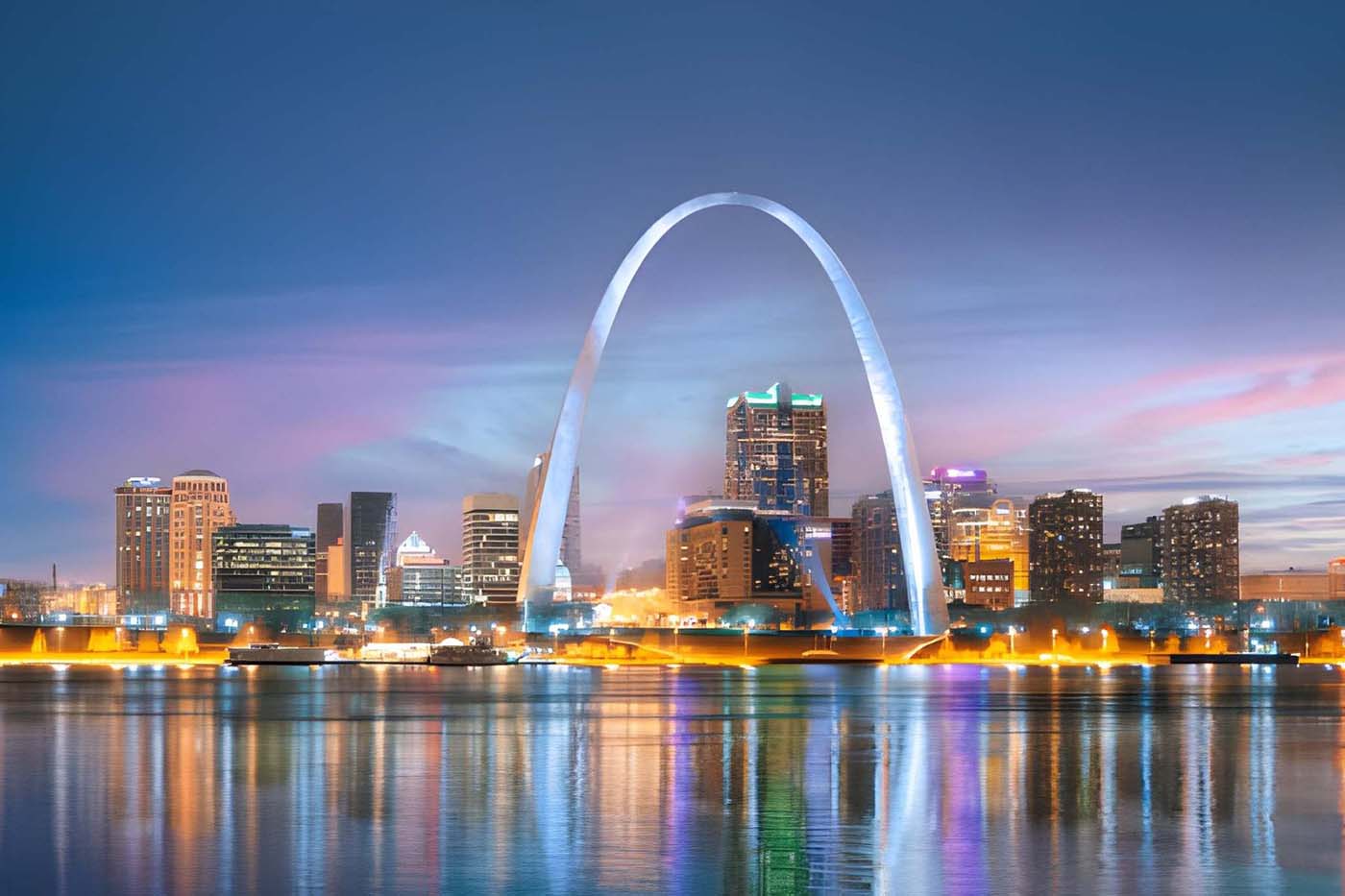
Missouri has quietly built one of the most compelling intersections of sports, hospitality, and design culture in the country. From St. Louis to Kansas City, the state’s boutique hotel scene frames the live event experience in ways that mass-market properties simply cannot replicate.
Architecture, local art, culinary craft, and the energy of professional and collegiate sport have converged into a lifestyle ecosystem that rewards travelers who want more than a seat in an arena.
The Angad Arts Hotel Turns St. Louis Into a Full Sensory Experience
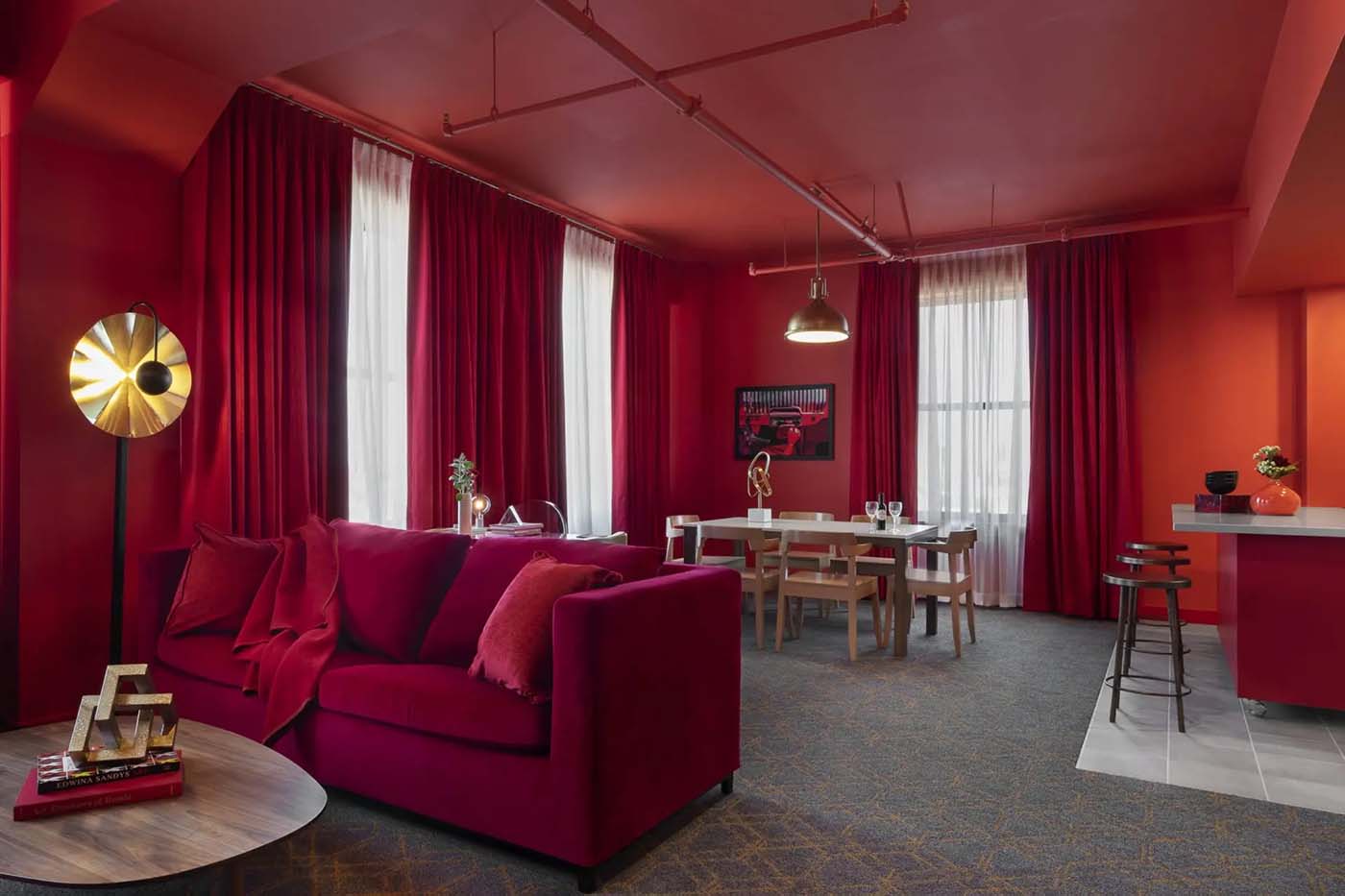
Situated in the historic Grand Center Arts District, the Angad Arts Hotel was built inside a long-vacant 12-story building that now holds 146 colorful rooms, including 38 suites and 25 extended-stay rooms, across over 161,000 square feet. What distinguishes it from the city’s standard hotel offerings is a room selection philosophy built entirely around color and emotion.
Guests choose from Passion Red, Tranquility Blue, Rejuvenation Green, and Happiness Yellow, with each category tied to a distinct mood.
The property also features over 8,000 square feet of meeting and event space, a rotating art gallery sourcing work from local artists on a quarterly or semi-annual basis, a 12th-floor sky lobby, the Chameleon Lounge with a 360-degree video art display, and the Rainbow Terrace rooftop bar with views of the St. Louis skyline.
Enterprise Center Places Sports at the Heart of the District
The Enterprise Center sits within close reach of the Angad Arts Hotel, making the Grand Center Arts District a natural convergence point for sports fans who also want cultural depth. The arena serves as home to the St. Louis Blues and has hosted NCAA basketball tournaments, positioning it as one of the more versatile sports venues in the Midwest.
Guests staying at the Angad can walk from color-immersive accommodations directly into the electricity of a playoff game, then return to the hotel’s rooftop bar for craft cocktails and panoramic city views without needing a car. That proximity between curated design and live sport is rare, and it defines the St. Louis boutique experience in a way that larger chain hotels near the arena cannot match.
The Truitt Brings Intimate Design Culture to Kansas City’s Sports Scene
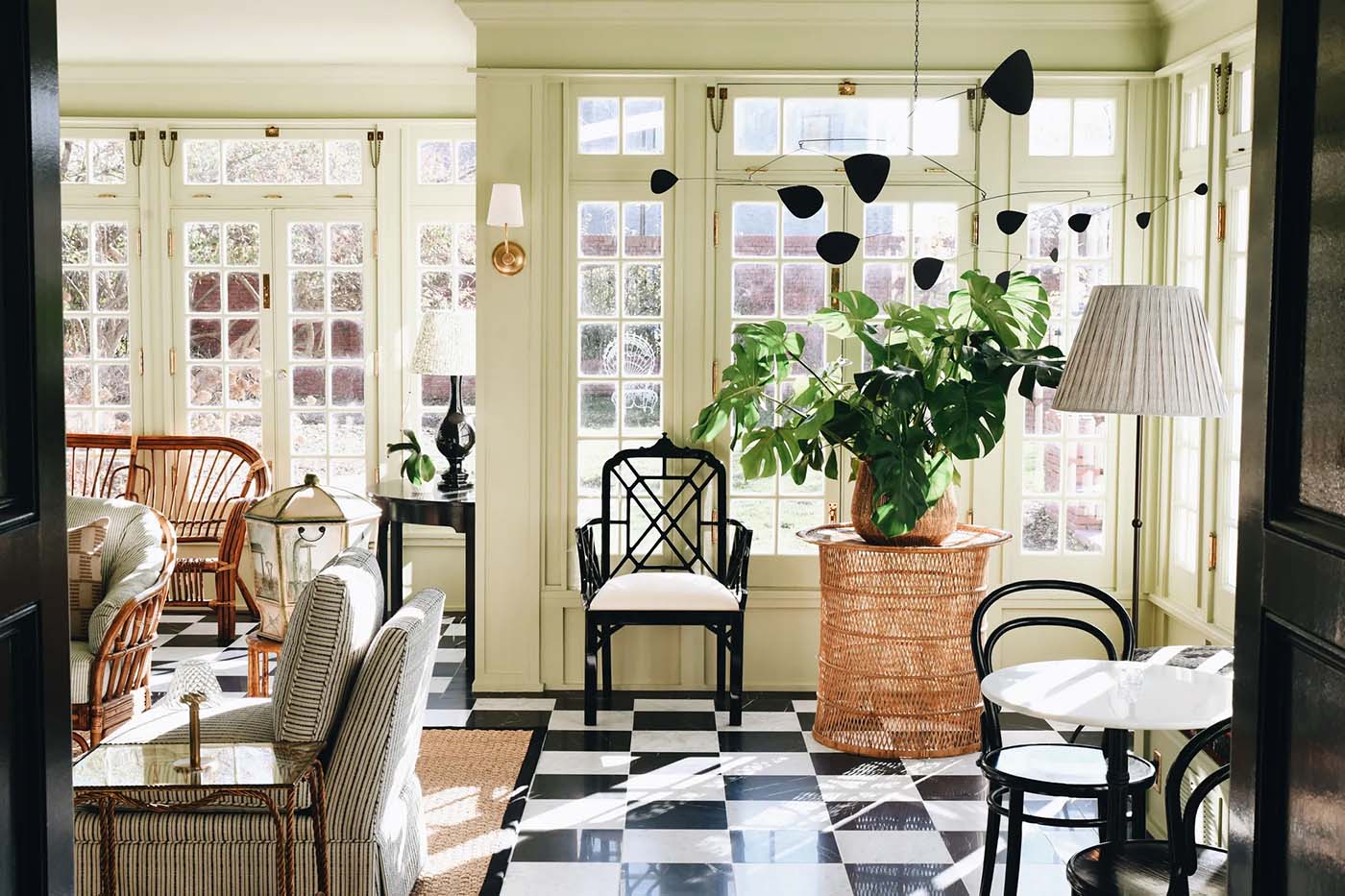
On the Kansas City side, The Truitt operates out of a historic brick colonial mansion originally built in 1916 by Mr. Elmore Shelton Truitt, described at the time by the local press as one of the most attractive houses in the city.
The property now operates as a 4-star, 8-room boutique hotel in the Midtown-Westport district, positioned steps from the Kansas City Art Institute and within proximity of the Nelson-Atkins Museum of Art and the Kemper Museum of Contemporary Art. The T-Mobile Center, where basketball tournaments and major concerts draw large crowds throughout the year, sits approximately 6 kilometers away.
The rise of sportsbook apps in Missouri adds a digital layer to this cultural mix. Just as boutique hotels and creative venues redefine how fans experience sports in person, sportsbook apps extend that engagement beyond the arena. Travelers staying at Missouri’s design-forward hotels can now pair their immersive hospitality experiences with real-time sports interaction, turning a night at the arena, or even a rooftop watch party, into a fully integrated lifestyle moment.
By weaving together sports, design, hospitality, and digital engagement, Missouri demonstrates how modern living is no longer about choosing between culture and competition, it is about embracing both.
The Moonrise Hotel Redefines the Rooftop Bar in St. Louis
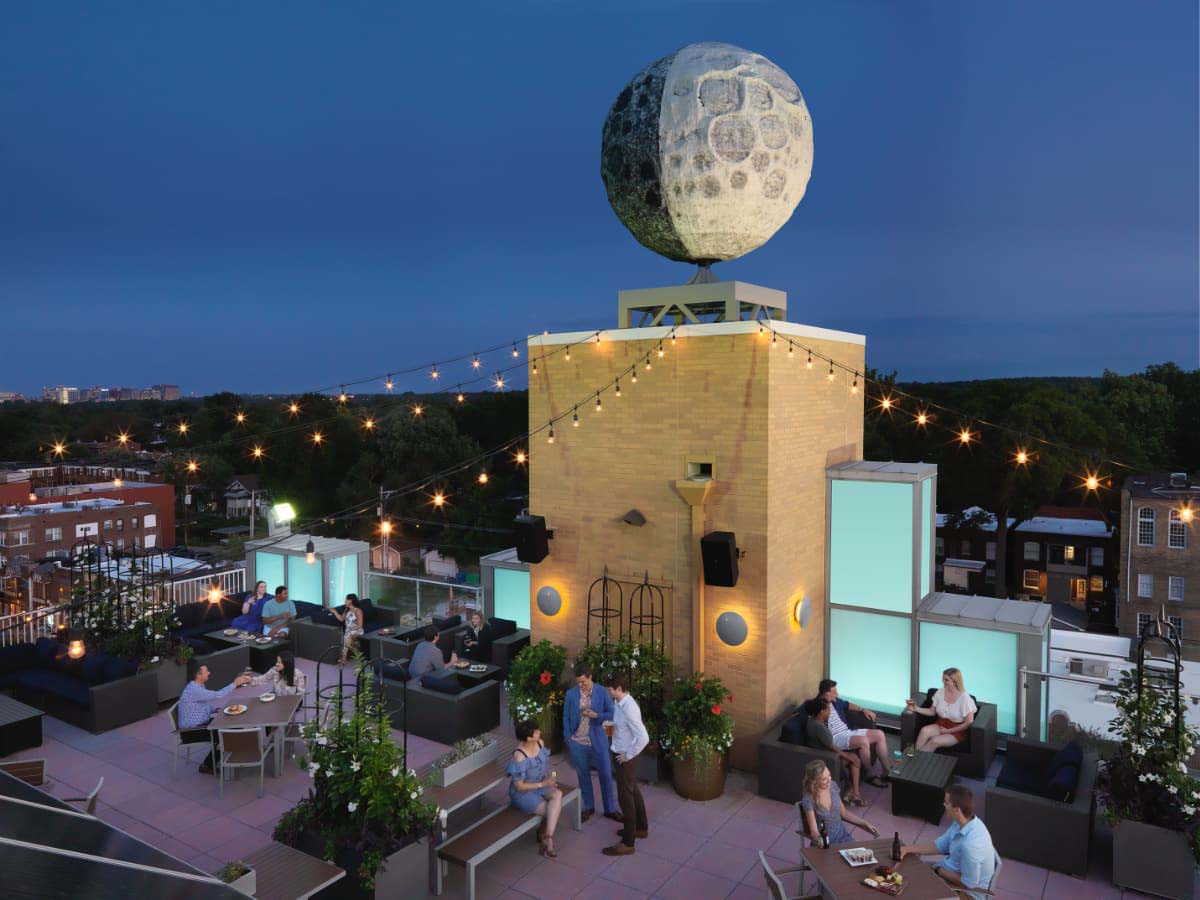
The Moonrise Hotel on Delmar Boulevard in the Loop district operates as a destination, opened in April 2009 by Joe Edwards as part of a broader effort to reinvigorate the neighborhood. The eight-story property blends space-age memorabilia, including rare lunar toys, jewelry, figurines, and spaceships on display throughout the lobby and corridors, with an iridescent lobby wall that shifts colors continuously.
Its 8th-floor Rooftop Garden Bar is the city’s most eco-friendly rooftop bar, powered entirely by a glass solar panel awning that supplies electricity to the outdoor deck, the indoor Twilight Room, and two and a half guest room floors below.
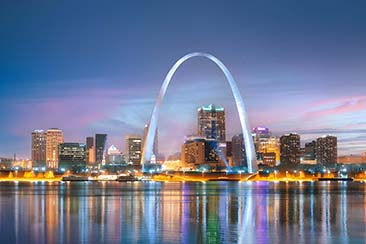
Perched beneath what is billed as the world’s largest rotating man-made moon, the bar delivers panoramic views of the Gateway Arch, the Delmar Loop, and the St. Louis skyline, while the award-winning Eclipse Restaurant handles modern American cuisine with locally sourced, seasonal ingredients for breakfast, dinner, and weekend brunch.
Kansas City Barbecue as Cultural Identity
No conversation about Missouri’s lifestyle hospitality landscape is complete without acknowledging Kansas City’s barbecue culture, which functions less as a dining category and more as a civic identity. The city’s tradition of slow-smoked meats, distinctive sauce profiles, and neighborhood-rooted pitmaster culture gives sports travelers an authentic culinary anchor that chain hospitality simply cannot provide.
Arriving from a game at the T-Mobile Center and settling into a Kansas City barbecue institution means participating in a ritual that the city’s local population takes seriously. That cultural continuity between the food scene, the sporting culture, and the boutique accommodation options creates the kind of travel experience that converts first-time visitors into repeat ones.
Architecture and Fandom Merge Into One Seamless Identity
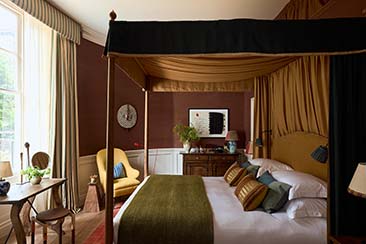
What Missouri’s best boutique properties share is a refusal to treat lodging as a neutral backdrop to the sports experience. The Angad’s color-coded emotional design, the Truitt’s mansion-era bones dressed in playful modern interiors, and the Moonrise’s space-program aesthetic all communicate that the stay itself is part of the event.
Fandom, in this context, does not begin and end at the arena door. It extends into where you sleep, what you drink, what art surrounds you, and how a city frames its own identity for visitors. Missouri’s hospitality sector has built an argument, backed by real architecture and real culinary craft, that sports tourism is most powerful when the surrounding experience is just as intentional as the game.