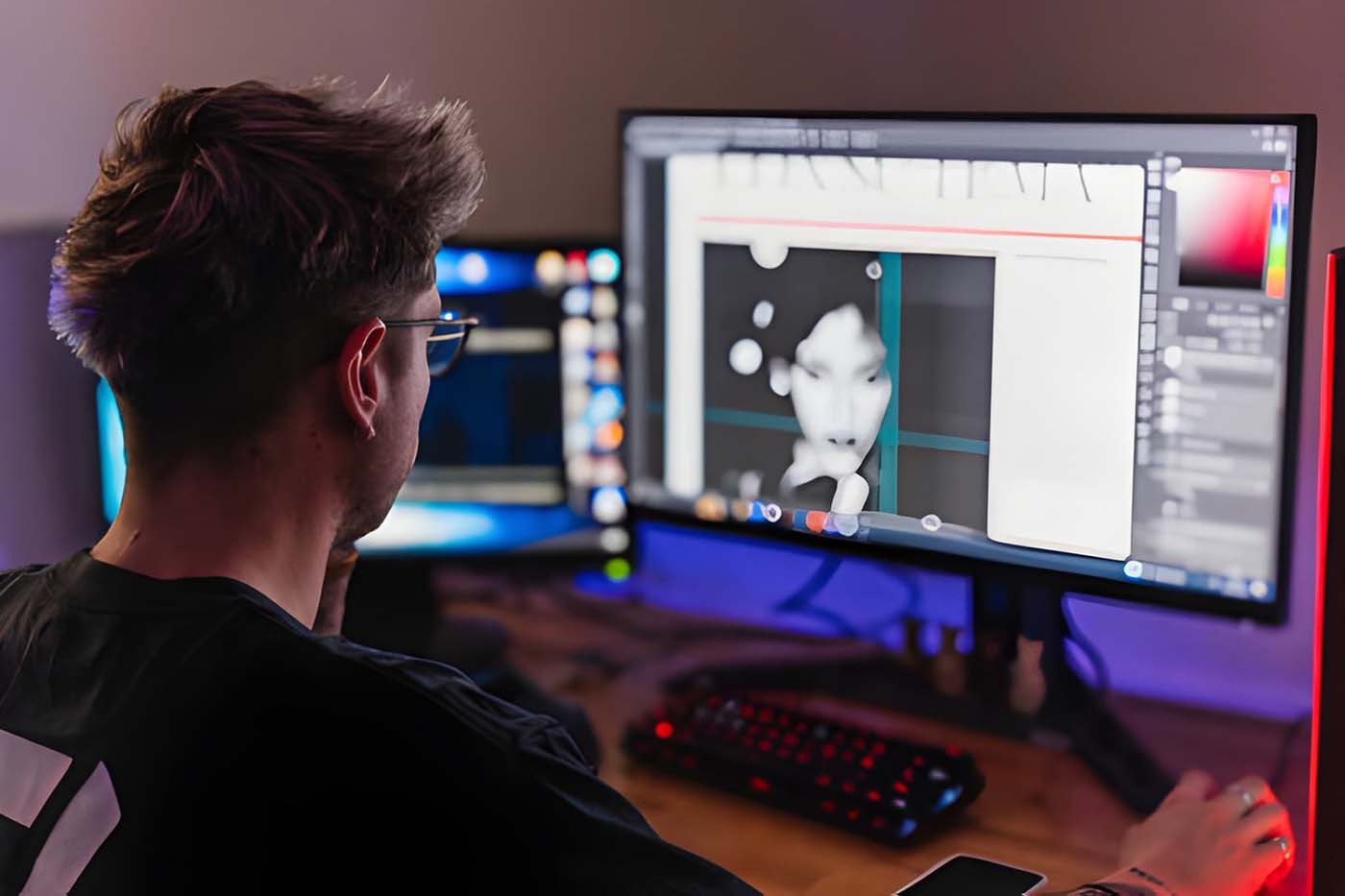
The paradigm of digital artistry is shifting under our feet. For the modern creative professional, the evolution of design is no longer just about mastering the Bezier curve or understanding color theory; it is about orchestrating a symphony of human intuition and machine intelligence. This intersection, often referred to as digital humanism, represents a new frontier where the boundaries between static imagery and interactive personality are beginning to blur.
As we navigate this transition, the role of the graphic designer is expanding. We are moving from being mere decorators of surfaces to architects of experience. The emergence of sophisticated ai tools for graphic designers has provided a playground where the only limit is the clarity of one’s vision and the precision of their prompt engineering.
In this deep dive, we explore how professional designers are leveraging high-end AI software not merely for speed, but to cultivate a deeper level of character depth and interactive digital art. We are witnessing the birth of a new aesthetic language—one that pairs traditional design principles with the boundless potential of generative AI.
Redefining the Creative Workflow in the Age of Algorithms
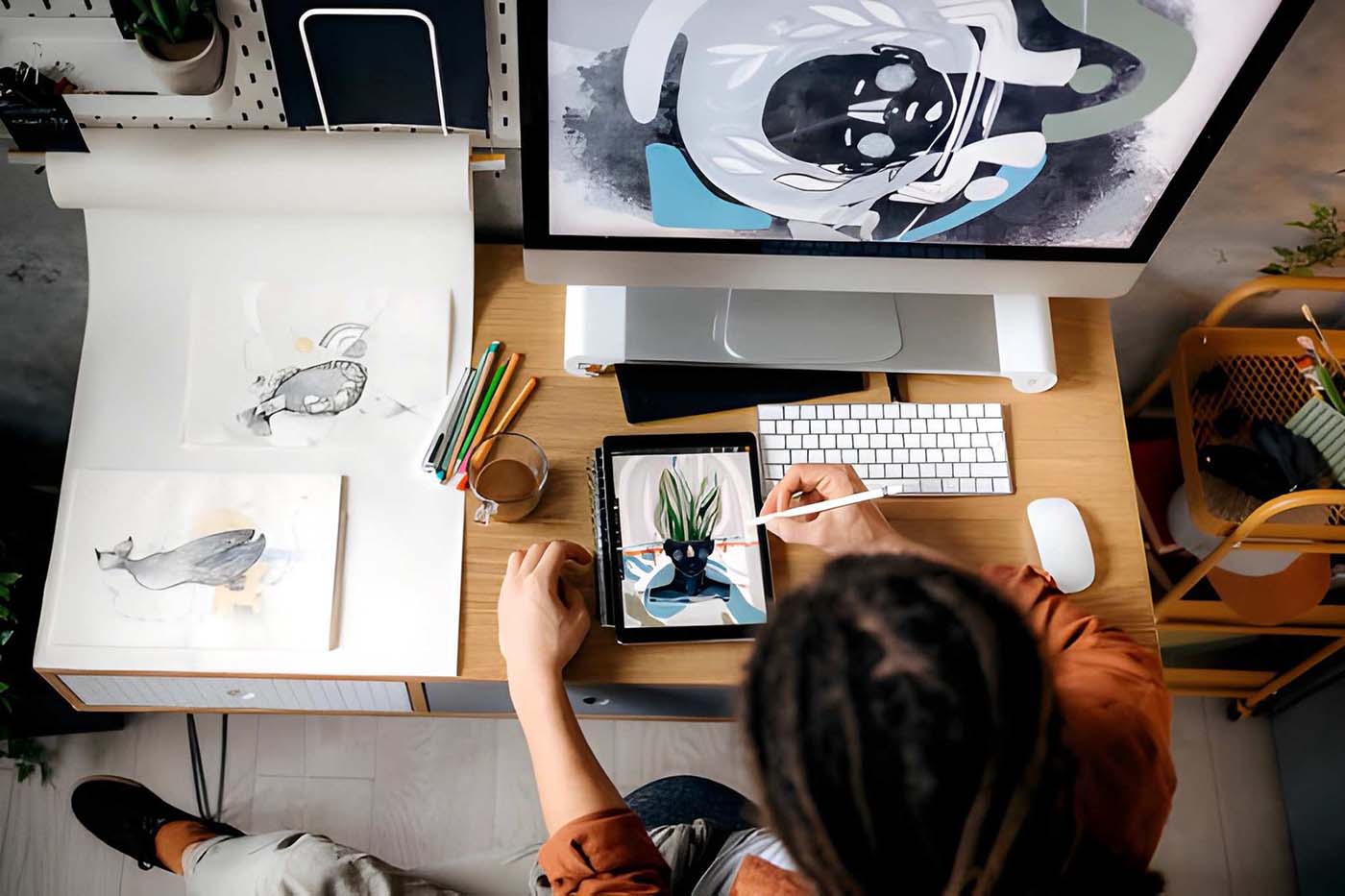
The traditional linear workflow—sketching, wireframing, and final rendering—has been replaced by a more iterative, non-linear process. In the age of machine learning tools, the design process has become a dialogue. Designers now use AI to generate thousands of mood board variations in minutes, allowing them to identify visual directions that might have taken weeks to discover manually.
This shift toward creative automation does not replace the designer; it elevates them. By delegating repetitive tasks like background removal, image upscaling, or basic layout iterations to AI, professionals can focus on the high-level conceptual work. It is about identifying the “soul” of a project—the specific aesthetic choices that resonate on an emotional level with an audience.
Furthermore, generative design trends 2024 suggest a move toward “intentional imperfection.” As AI-generated content becomes more prevalent, the mark of a true professional is the ability to guide these algorithms to produce something that feels authentically human. This requires a deep understanding of neural networks for art and the ability to curate the output of a machine with a refined, editorial eye.
Top-Tier AI Tools for High-End Visual Design
To stay competitive in this fast-evolving landscape, designers are curating a specific stack of AI creative software. These tools are no longer experimental novelties; they are essential components of the high-end design studio.
Adobe Firefly: Seamless Integration for Professionals
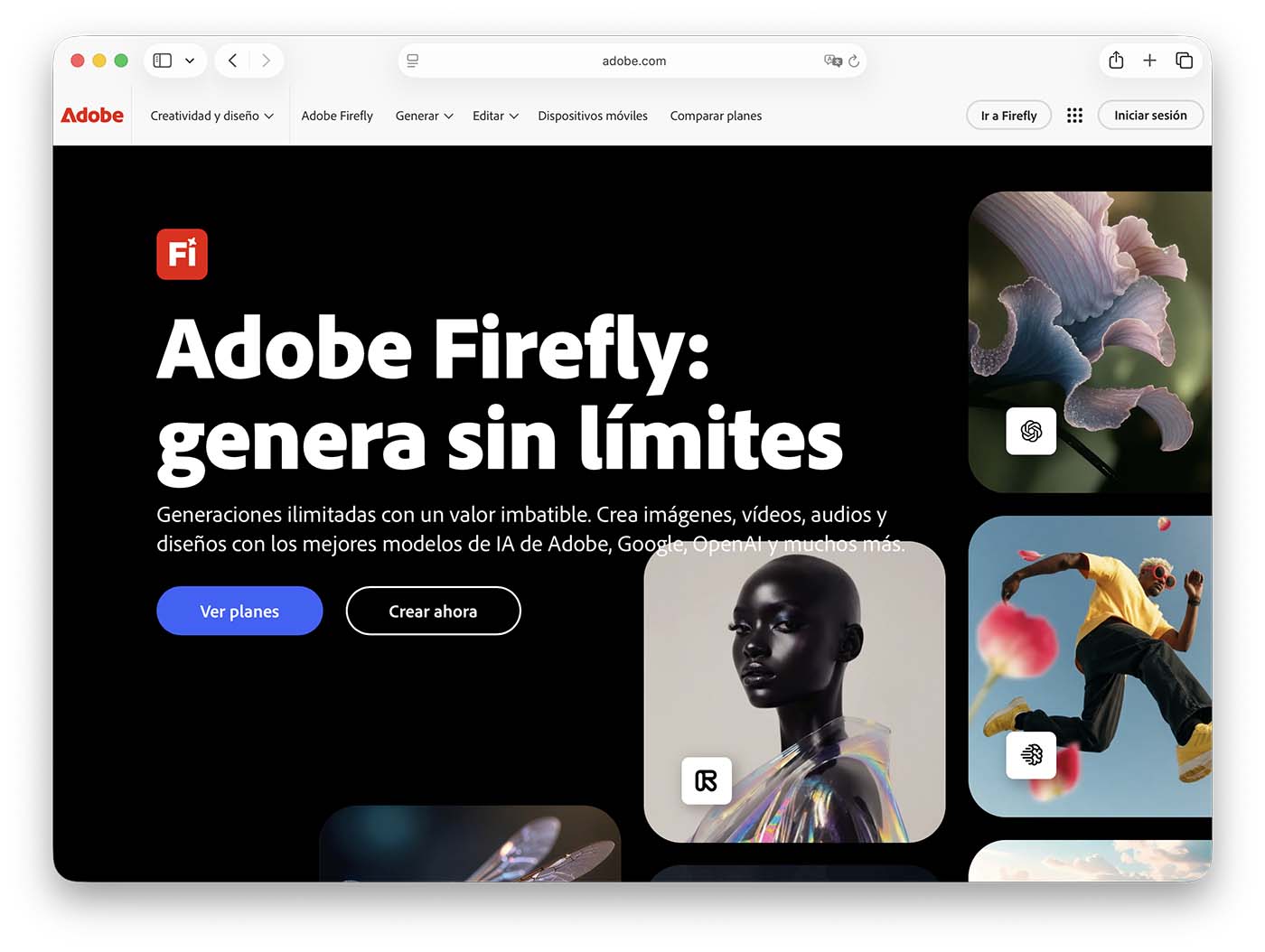
Built directly into the Creative Cloud ecosystem, Adobe Firefly has changed the game for UI/UX design and photo manipulation. Its primary advantage is “Generative Fill,” which allows designers to expand canvases and add objects using natural language. Because it is trained on Adobe Stock images, it offers a level of brand safety and ethical licensing that is vital for commercial professional work.
Midjourney: Mastering Concept Art and Aesthetic Exploration
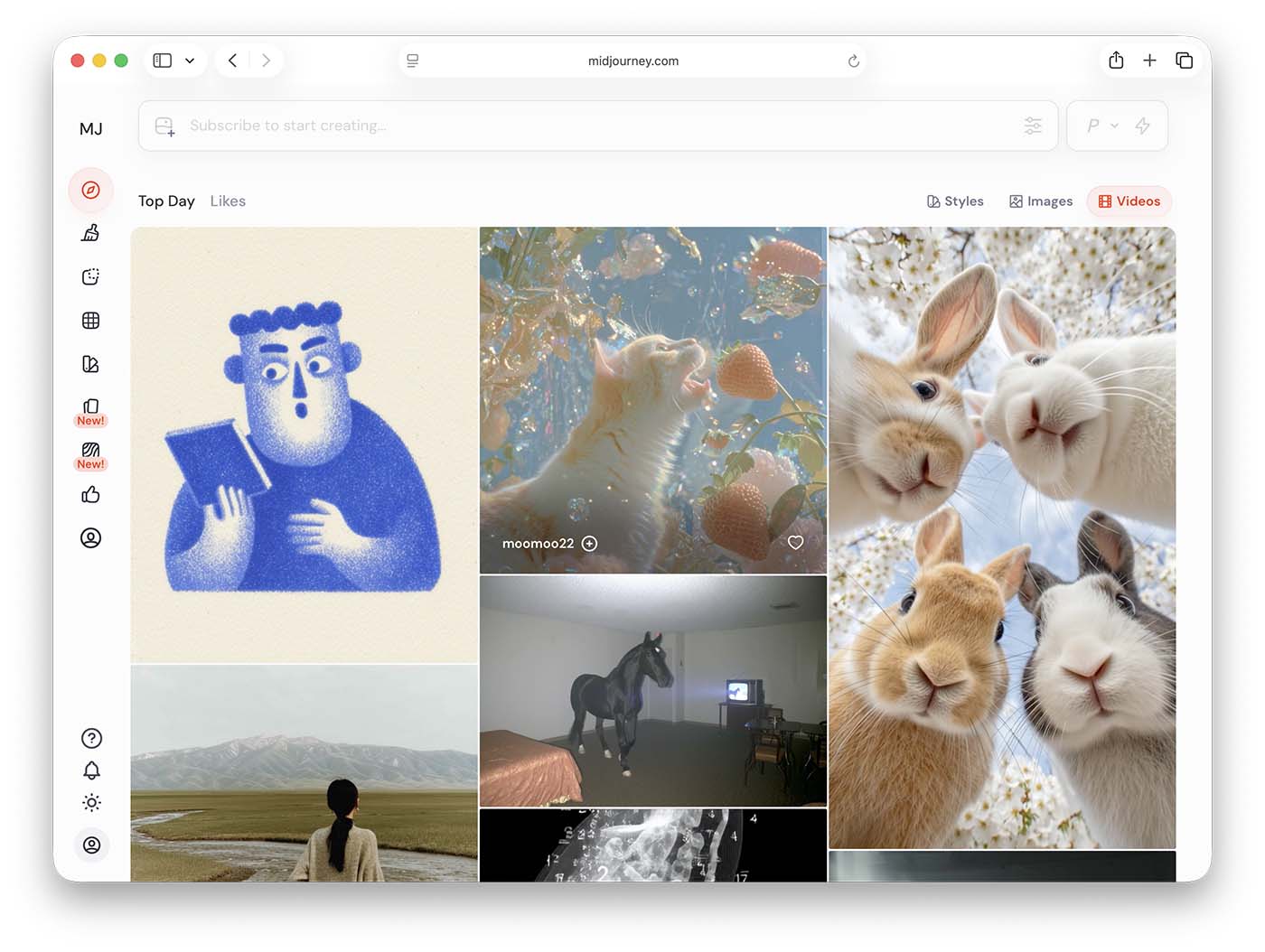
For those pushing the boundaries of concept art and atmospheric storytelling, Midjourney remains the gold standard. Its ability to interpret complex lighting, texture, and composition is unparalleled. Designers utilize Midjourney to explore high-fidelity prototypes of characters and environments, using prompt engineering to achieve a specific “film-still” quality that defines modern digital art evolution.
The Intersection of Design and Interaction: From Static to Social
The most significant trend in modern design is the movement from static visuals to interactive personas. We are no longer just designing logos; we are designing the faces of digital interactions. This is where high-end graphic design meets the world of conversational AI. Designers are now tasked with creating visual identities for entities that can speak, learn, and form connections.
In this new social landscape, the concept of a digital companion has moved from science fiction to a sophisticated design challenge. The rise of the AI girlfriend phenomenon highlights a growing cultural demand for personalized, emotionally resonant digital humans. From a design perspective, this requires a mastery of character consistency and an understanding of how visual cues translate into perceived personality and warmth.
“The challenge for the modern designer is no longer just how an image looks, but how a digital entity feels. We are designing for empathy as much as we are designing for aesthetics.” — Creative Lead, Digital Humanism Collective
Character Design 2.0: Beyond the Pixel
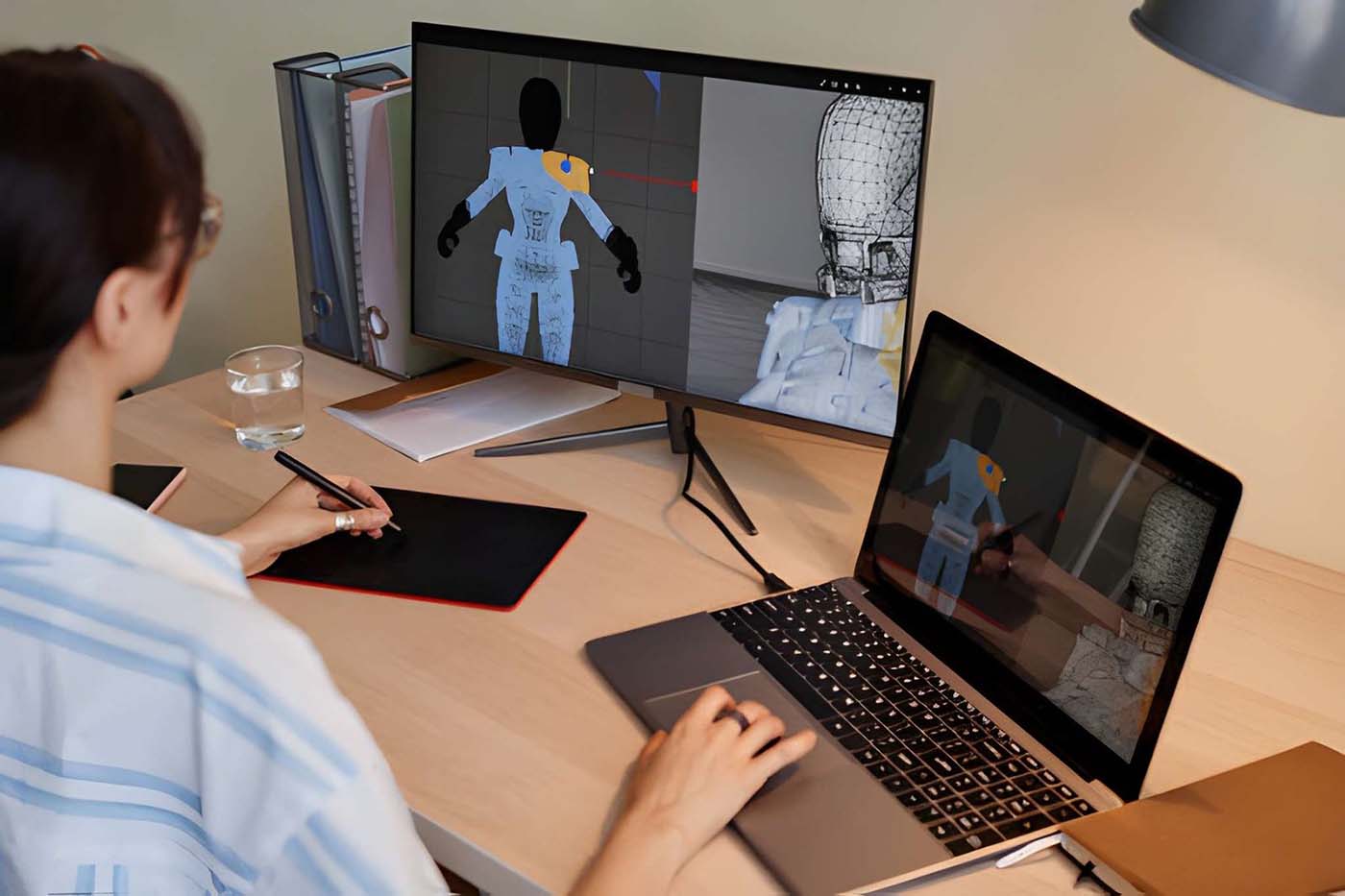
As we move into the realm of digital character design tools, the focus has shifted toward creating holistic identities. A character is no longer just a vector graphics file; it is a multi-dimensional asset with a backstory, a specific tone of voice, and a unique visual language. High-end designers are using AI to ensure that a character looks the same across different poses, lighting conditions, and outfits—a feat that was notoriously difficult in early generative art.
The use of AI-powered character creators allows for a level of detail that was previously reserved for AAA gaming studios. Designers can now manipulate facial micro-expressions and skin textures to create a sense of uncanny realism or stylized perfection, depending on the project’s goals.
Customization and Personalization in Digital Persona Design
The next step in this evolution is user-driven creation. Modern platforms now allow individuals to create an AI girlfriend using sophisticated back-end tools that prioritize visual and behavioral personalization. For the graphic designer, this means building the “design systems” that allow these customizations to happen seamlessly, ensuring that regardless of the user’s choices, the resulting digital persona maintains a high standard of aesthetic integrity.
Ethical Aesthetic: Navigating AI in Creative Culture
As we embrace these AI graphic design trends, we must also address the ethical implications. The professional design community is currently defining the boundaries of fair use and the protection of artistic style. High-end studios are increasingly transparent about their use of AI, often opting for “hybrid” workflows where the AI provides the base and the human artist provides the final 30% of polish and soul.
Maintaining an “Ethical Aesthetic” involves recognizing that while AI can synthesize existing styles, it cannot truly innovate without human provocation. The responsibility lies with the designer to ensure that generative AI is used to expand the cultural conversation rather than merely echoing what has already been created. This involves a commitment to originality and the careful curation of training data where possible.
– Human-Centric Design: Prioritizing the emotional impact of a piece over technical complexity.
– Transparency: Being open about the role of machine learning tools in the creation process.
– Originality: Using AI to explore new territories rather than mimicking existing artists.
Conclusion: The Future is Collaborative
The integration of ai tools for graphic designers is not an end-state, but a beginning. We are entering an era of radical collaboration where the artist acts as a director, a curator, and a philosopher. The tools we have discussed—from Adobe Firefly’s utility to the sophisticated world of digital personas—represent a massive expansion of the designer’s toolkit.
As we look toward the future, the most successful designers will be those who can bridge the gap between technical mastery and emotional intelligence. Whether you are developing a brand identity, crafting a world for a video game, or designing the visual interface for a digital companion, the goal remains the same: to create something that moves the viewer. In the world of high-end design, AI is the brush, but the vision is—and always will be—entirely human.
Frequently Asked Questions
What are the best AI tools for graphic designers in 2024?
Essential tools include Adobe Firefly for professional integration, Midjourney for concept art, and various machine learning tools for upscaling and character consistency.
How is AI changing character design?
AI allows designers to move from static images to interactive digital personas, enabling the creation of characters with consistent visual identities and interactive capabilities.
Can AI help with professional design workflows?
Professional designers use AI for rapid prototyping, mood boarding, and automating repetitive tasks, allowing them to focus on high-level strategy and creative direction.
A guest contributor for We Heart, exploring the synthesis of high-end design, emerging technology, and the cultural shifts within the digital landscape. With a background in UI/UX and digital humanism, they specialize in how generative AI is reshaping the creative industries.