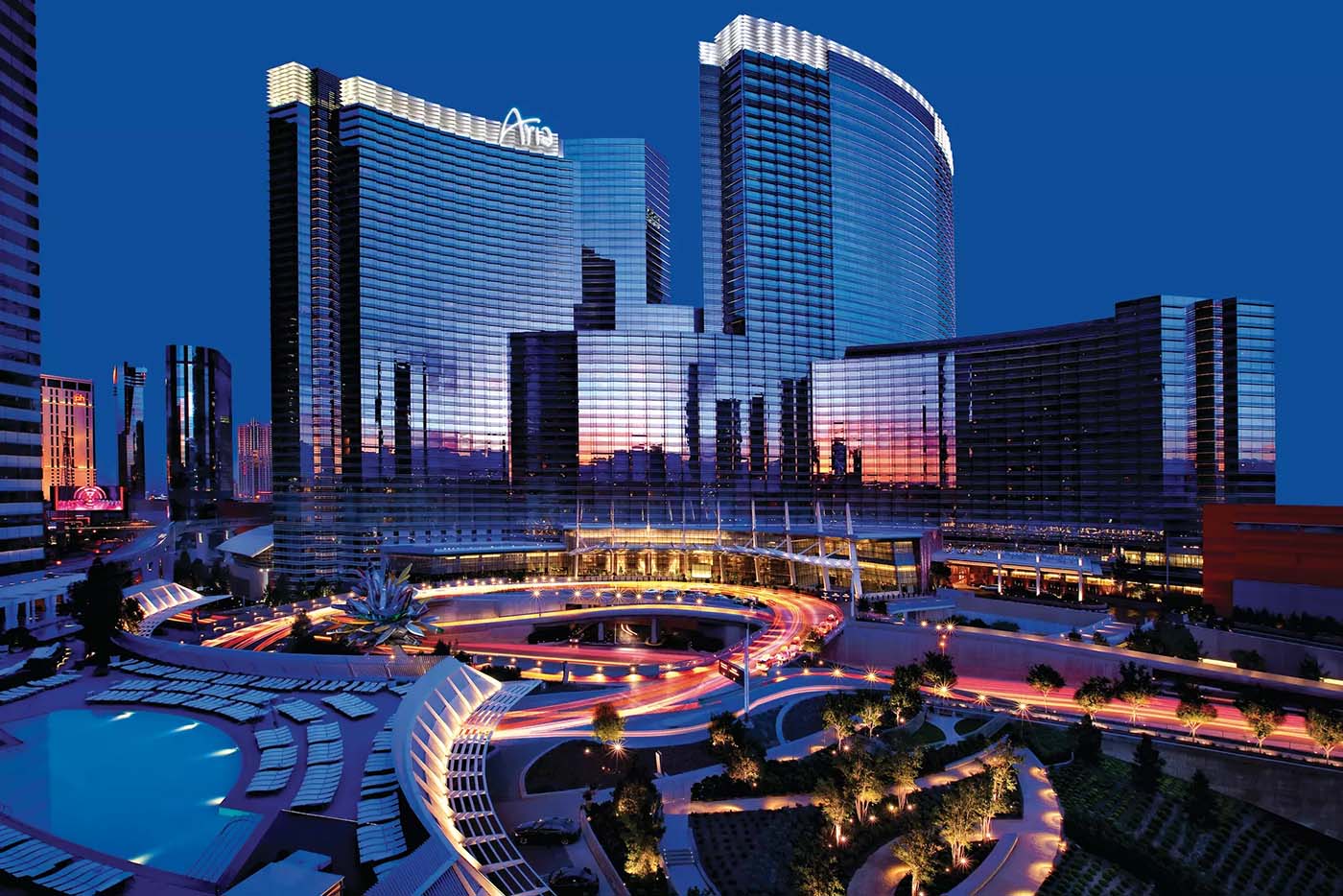
The story of how a billion-dollar casino hotel that reinvents itself while guests sleep, and why precision documentation is the invisible foundation of every great renovation.
At 3am on a Tuesday, while high rollers chase fortunes on the casino floor and couples toast champagne in penthouse suites, an invisible transformation begins at ARIA Resort & Casino. Before a single wall moves, before interior designers select their first fabric swatch, before construction crews even bid on the project, the entire building must reveal its secrets.
This is the story of how Las Vegas reinvents itself without ever closing its doors, and the technology that makes the impossible routine.
The Challenge: Renovating a Living, Breathing Building
ARIA’s lobby and towers aren’t museum pieces that can be cordoned off and studied at leisure. They’re living spaces hosting thousands of guests every single day. The grand lobby sees 50,000 people pass through on a busy weekend. The luxury tower houses guests who’ve paid premium rates for an uninterrupted experience. The restaurants and back-of-house kitchens operate 24/7, feeding thousands of diners without pause.
Traditional architectural documentation methods—teams of surveyors with measuring tapes, weeks of manual drafting, multiple site visits that disrupt operations—simply won’t work. When a renovation budget runs into the tens of millions and downtime costs thousands per hour, there’s no margin for error.
“The biggest challenge in hospitality renovation isn’t the construction,” explains one architectural firm veteran. “It’s knowing exactly what you’re starting with. Original blueprints don’t show twenty years of modifications. Walls aren’t where the drawings say they should be. MEP systems have been rerouted. You’re essentially flying blind—unless you document the existing conditions with absolute precision.”
This is where hospitality as-built documentation becomes the invisible hero of every successful hotel renovation.
Day Zero: Capturing a Building’s Soul
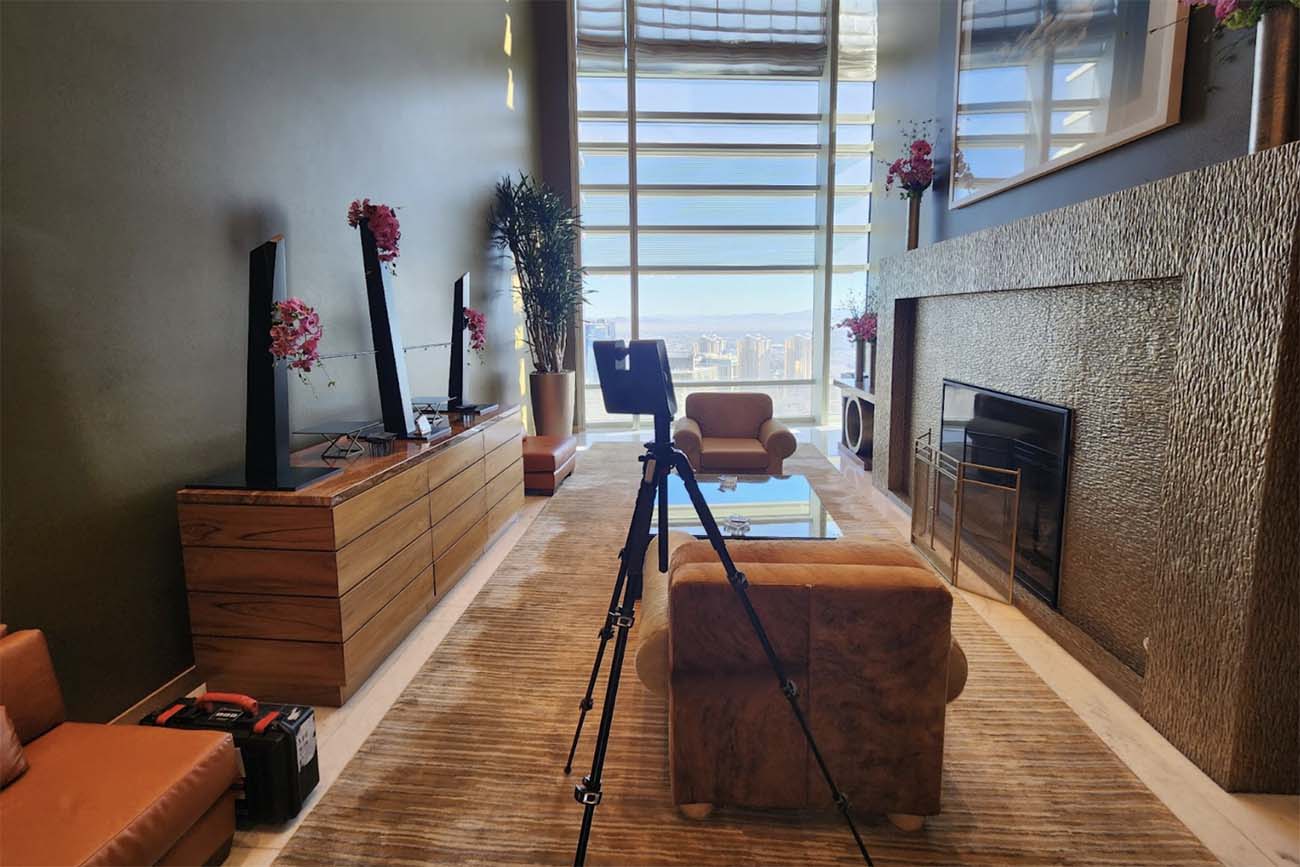
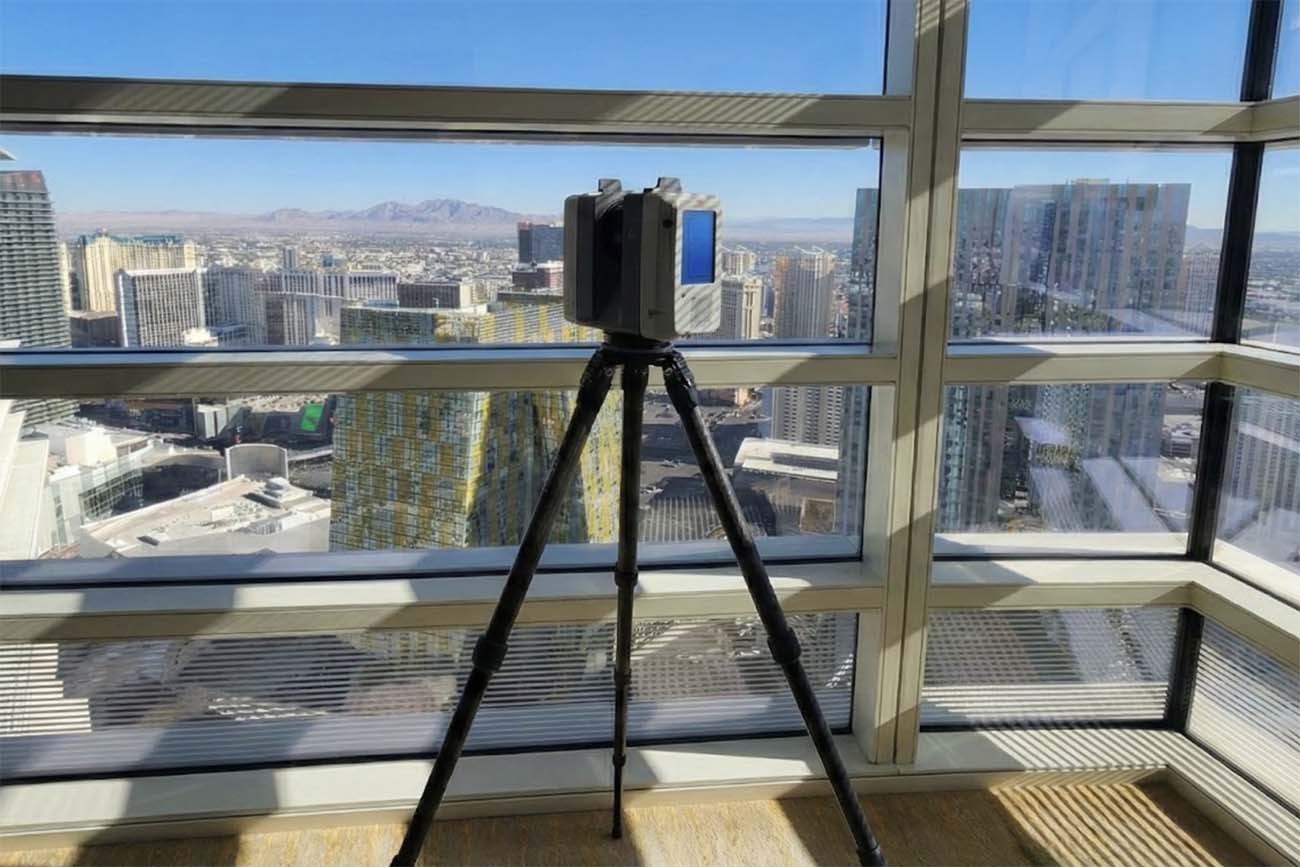
The process begins long before guests notice anything changing. At ARIA, it started with 3D laser scanning technology that would capture every dimension of the lobby and an entire luxury tower—from the soaring ceiling details down to individual electrical outlets.
Over the course of several days, working during low-traffic hours, scanning teams systematically documented the existing conditions. The technology works by emitting millions of laser pulses per second, measuring the distance to every surface and creating what’s called a “point cloud”—essentially a digital fingerprint of the physical space with millimeter-level accuracy.
The beauty of this approach? It’s non-invasive. Guests walked through the lobby without even knowing their surroundings were being digitally captured. Suite renovations could be planned floor by floor while guests slept peacefully in towers above and below.
What Gets Documented
The scope of hospitality as-built services goes far beyond simple floor plans. Every element that impacts renovation decisions needs to be captured:
Public Spaces: The lobby documentation included every architectural detail—from decorative ceiling coffers to concealed lighting systems. Column spacing, floor elevations, millwork profiles, even the exact locations of art installations and furniture anchor points. This level of detail allows designers to plan transformations that work with the space’s inherent character rather than fight against hidden constraints.
Guest Rooms and Suites: Creating accurate guest room floor plans means documenting not just the obvious—bed alcoves, bathroom layouts, window sizes—but also the invisible infrastructure. Where do HVAC vents actually sit versus where blueprints show them? How much ceiling clearance exists for new light fixtures? What’s the precise dimension between the bathroom door and that awkward corner that always causes furniture placement issues?
One floor of suites can contain dozens of small variations from the “standard” plan. Some have been modified for accessibility. Others have unique structural elements. Capturing these differences prevents expensive surprises during construction.
Back-of-House Areas: Kitchen and back-of-house layouts present their own challenges. These are working spaces packed with equipment, utilities, and staff movement patterns that can’t be disrupted. Documenting restaurants and commercial kitchens requires understanding not just walls and doors, but hood systems, gas lines, drainage, refrigeration placement—every element that makes a professional kitchen function.
From Scan Data to Usable Documentation
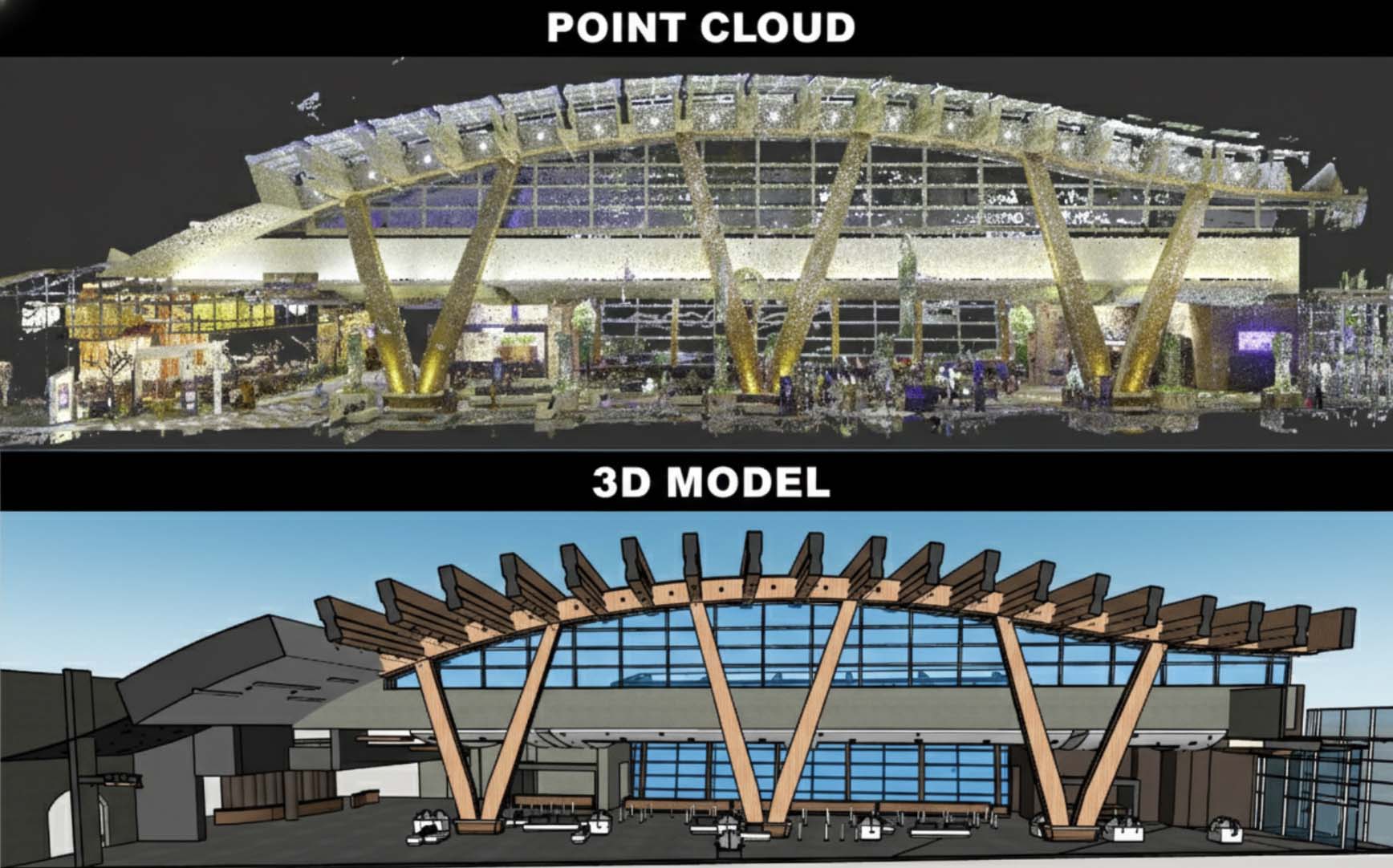
Raw 3D scan data, while incredibly accurate, isn’t something architects and contractors can work with directly. The point cloud must be transformed into traditional CAD as-built drawings and BIM models that integrate with design workflows.
This is where the scan to BIM process becomes crucial. Skilled technicians process the point cloud data, extracting precise measurements and creating:
– Floor plans showing exact room dimensions and layouts
– Reflected ceiling plans (RCPs) documenting lighting, HVAC, and ceiling features
– Interior elevations capturing wall details, door heights, and architectural features
– Finish plan documentation noting materials, transitions, and existing conditions
– Door and window schedules with precise sizes and locations
– MEP coordination drawings showing utilities and systems
These deliverables come in multiple formats—DWG files for AutoCAD users, PDF documents for easy sharing, and BIM models that integrate into Revit workflows. The goal is giving every project stakeholder the information they need in the format they prefer.
Why Accuracy Matters
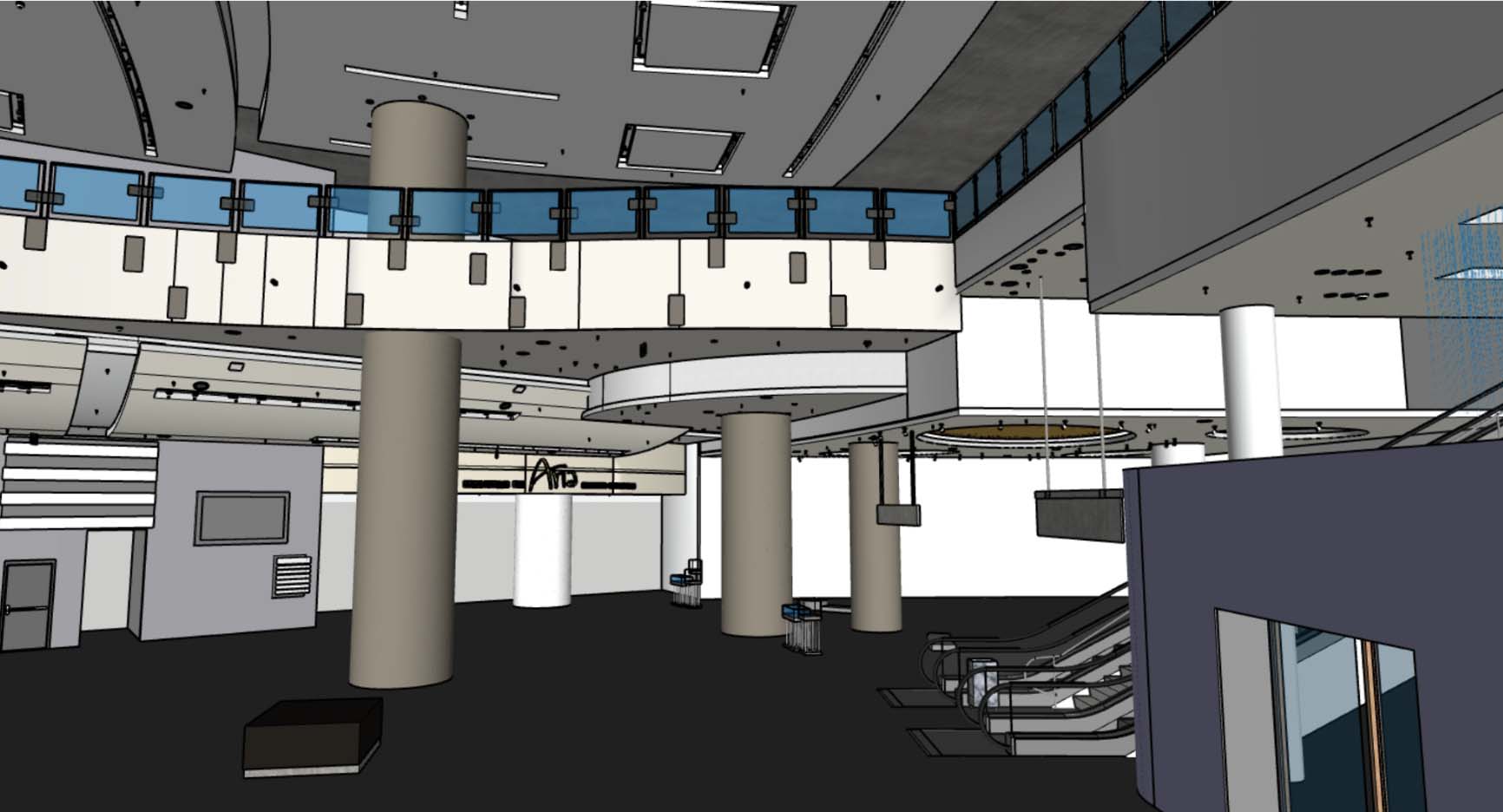
In hospitality renovation projects, accuracy isn’t just about getting dimensions right—it’s about preventing cascade failures that blow budgets and timelines.
Consider a seemingly simple lobby refresh: new designer light fixtures that hang from the existing ceiling structure. If the as-built drawings show ceiling heights that are off by even a few inches, those custom fixtures might not fit. At $50,000 per fixture and a 12-week lead time, that mistake could delay the entire project and force expensive redesigns.
Or picture a suite renovation where new bathroom layouts depend on connecting to existing plumbing. If the hotel as-built drawings don’t accurately show where those drain lines actually run (versus where they were supposed to be installed twenty years ago), contractors discover the problem after they’ve demolished walls. Now you’re looking at change orders, schedule delays, and guests hearing jackhammers when they paid for a peaceful luxury experience.
Professional hospitality as-built documentation typically achieves accuracy within ±1/8 inch for most architectural elements—tight enough that designers can specify custom millwork, order materials, and plan installations with confidence. For structural and MEP elements, tolerances vary based on application, but the QA/QC process ensures that every measurement meets the project’s requirements before deliverables go out.
The Renovation That Guests Never See
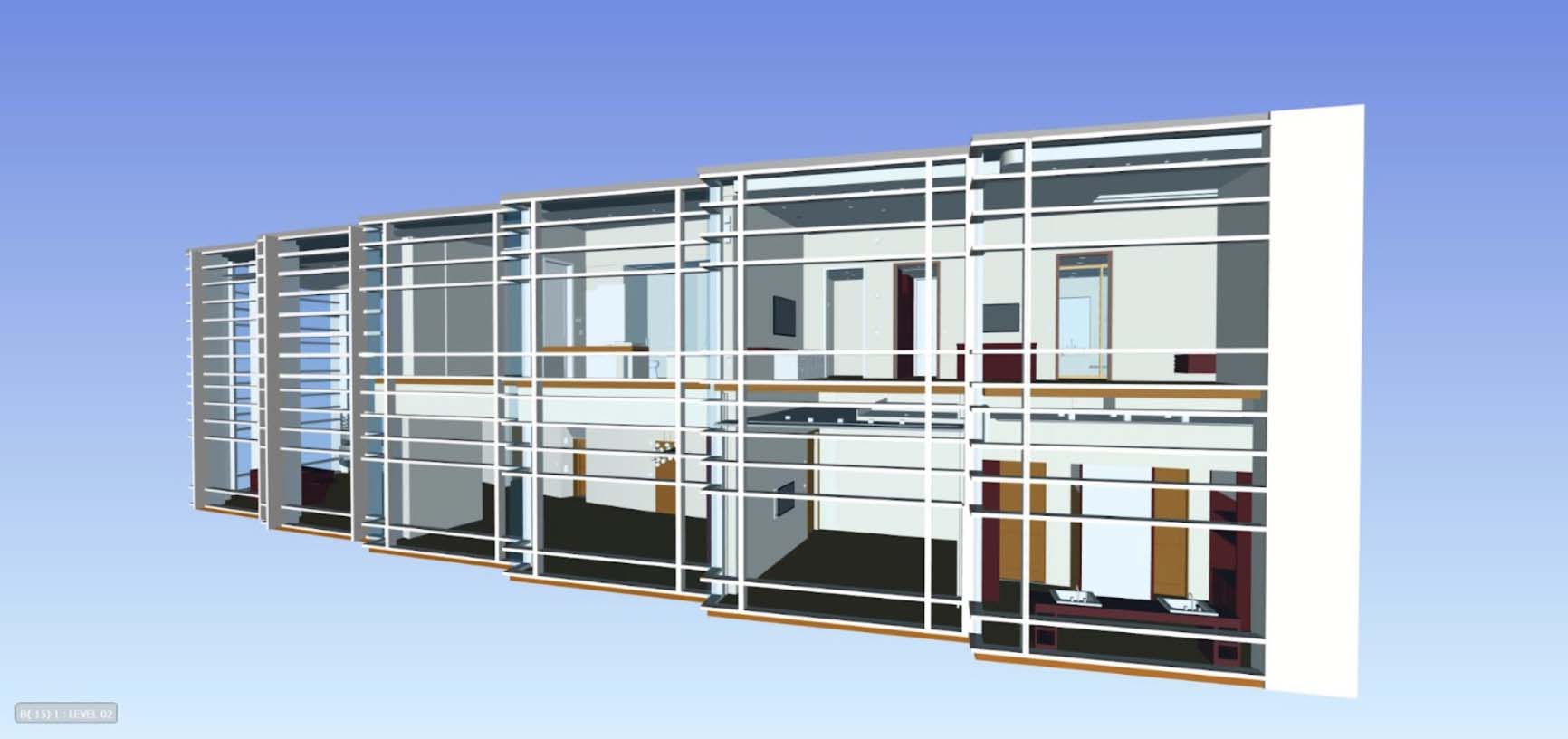
With comprehensive existing conditions documentation in hand, ARIA’s design team could make bold decisions confidently. They knew exactly how much ceiling height they had to work with for new lighting concepts. They understood which walls were structural and which were just partitions. They could plan furniture layouts knowing precise room dimensions, not guessing from decades-old blueprints.
The renovation could proceed floor by floor through the tower. While guests occupied rooms on floors 15-20, construction crews worked on floors 21-25, guided by as-built drawings so accurate that material orders matched site conditions on the first try. No surprises. No delays. No angry guests complaining about construction noise, because the logistics had been planned with military precision.
In the lobby, work happened in phases during low-traffic hours. Because the documentation captured every architectural detail, custom elements could be pre-fabricated off-site and installed quickly. What might have taken months of on-site construction was reduced to weeks of overnight installation.
Beyond ARIA: Why Every Hospitality Project Needs This
The ARIA project represents a growing standard in hospitality renovation. Whether it’s a boutique hotel refresh, a resort expansion, or a restaurant remodel, starting with accurate as-built documentation has become essential.
For Hotel Renovations: Multi-floor building documentation allows property owners to plan phased renovations that keep most of the hotel operational. Revenue keeps flowing while improvements happen systematically.
For Restaurant Remodels: Restaurant as-built drawings capture the complex reality of working kitchens—from equipment locations to utility connections—allowing designers to reconfigure spaces without gutting everything and starting from scratch.
For Remodel and Refresh Projects: Even cosmetic updates benefit from accurate documentation. New finishes, lighting, and furniture need to work with the existing architecture. Knowing what you’re working with prevents expensive mistakes and allows tighter budgets.
The Questions Every Hotel Owner Asks
What’s included in hotel as-built drawings? Comprehensive documentation includes floor plans, ceiling plans, elevations, sections, door and window schedules, finish documentation, and MEP coordination—essentially everything designers and contractors need to plan and execute renovations confidently.
How accurate are these drawings? Professional hospitality documentation typically achieves ±1/8 inch accuracy for architectural elements, with appropriate tolerances for structural and MEP components based on project needs.
What’s the turnaround time? For a typical hotel floor or restaurant space, expect 2-3 weeks from scan completion to final deliverables. Larger projects like ARIA’s multi-floor documentation might take 4-5 weeks depending on complexity and deliverable scope.
Can you work from 3D laser scan data? Yes—in fact, creating CAD drawings from point cloud data is now the industry standard for hospitality projects. It’s faster, more accurate, and less disruptive than traditional survey methods.
Do you document back-of-house areas? Absolutely. Kitchen layouts, service corridors, mechanical rooms, and other back-of-house spaces are often the most critical to document accurately because they contain complex utility systems and equipment that impact renovation planning.
What file formats do you provide? Standard deliverables include DWG files (for AutoCAD), PDF documents, and BIM models (Revit format). The goal is compatibility with however your design and construction teams prefer to work.
The Invisible Foundation of Great Design
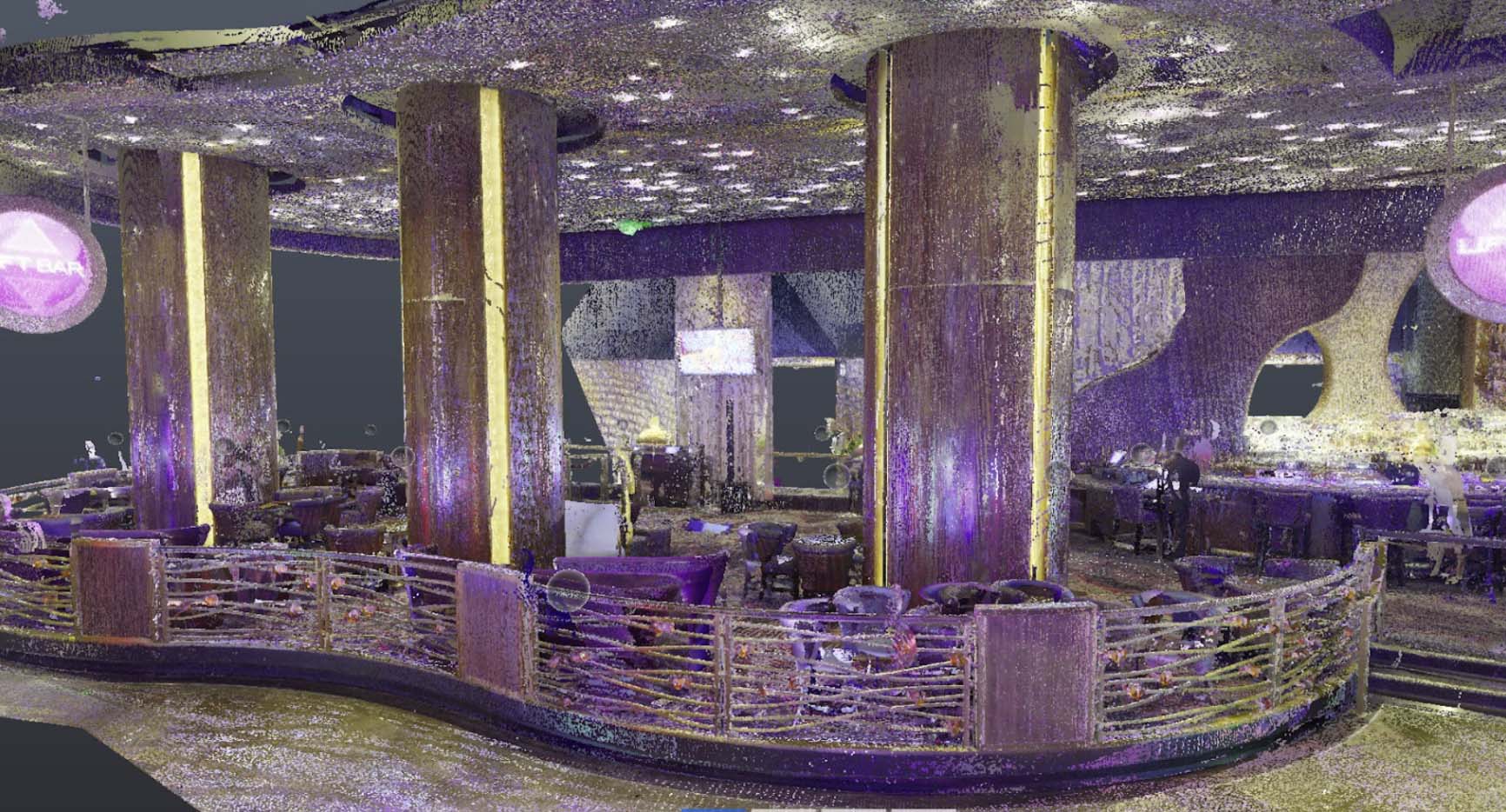
The next time you walk into a beautifully renovated hotel lobby or check into a thoughtfully redesigned suite, remember: someone captured every detail of that space before the transformation began. The soaring ceilings, the perfect lighting, the seamless finishes—they all started with documentation precise enough to let designers dream boldly and contractors build confidently.
It’s not the glamorous part of hospitality design. It’s not what wins architecture awards or gets featured in design magazines. But it’s the foundation that makes everything else possible.
In Las Vegas and luxury hospitality markets worldwide, the buildings never stop. They evolve, transform, and reinvent themselves season after season. And it all begins on day zero, with the quiet precision of capturing what exists before imagining what could be.
Interested in learning how precision documentation could transform your next hospitality renovation? The first step is understanding exactly what you’re working with—down to the millimeter.
Shawn Wachter is the Director of LiDAR Precise Plans, a specialized 3D laser scanning and as-built documentation firm serving the Southwest and Southern US markets. With 27 years of commercial architecture experience, Shawn has provided precision building documentation for major brands including Nike, Apple, Coca-Cola, REI, and Urban Outfitters across Las Vegas, Phoenix, Los Angeles, San Francisco, Denver, and Central Texas. He specializes in commercial, hospitality, and historic preservation projects where accuracy is non-negotiable. Learn more at www.Lidarpreciseplans.com