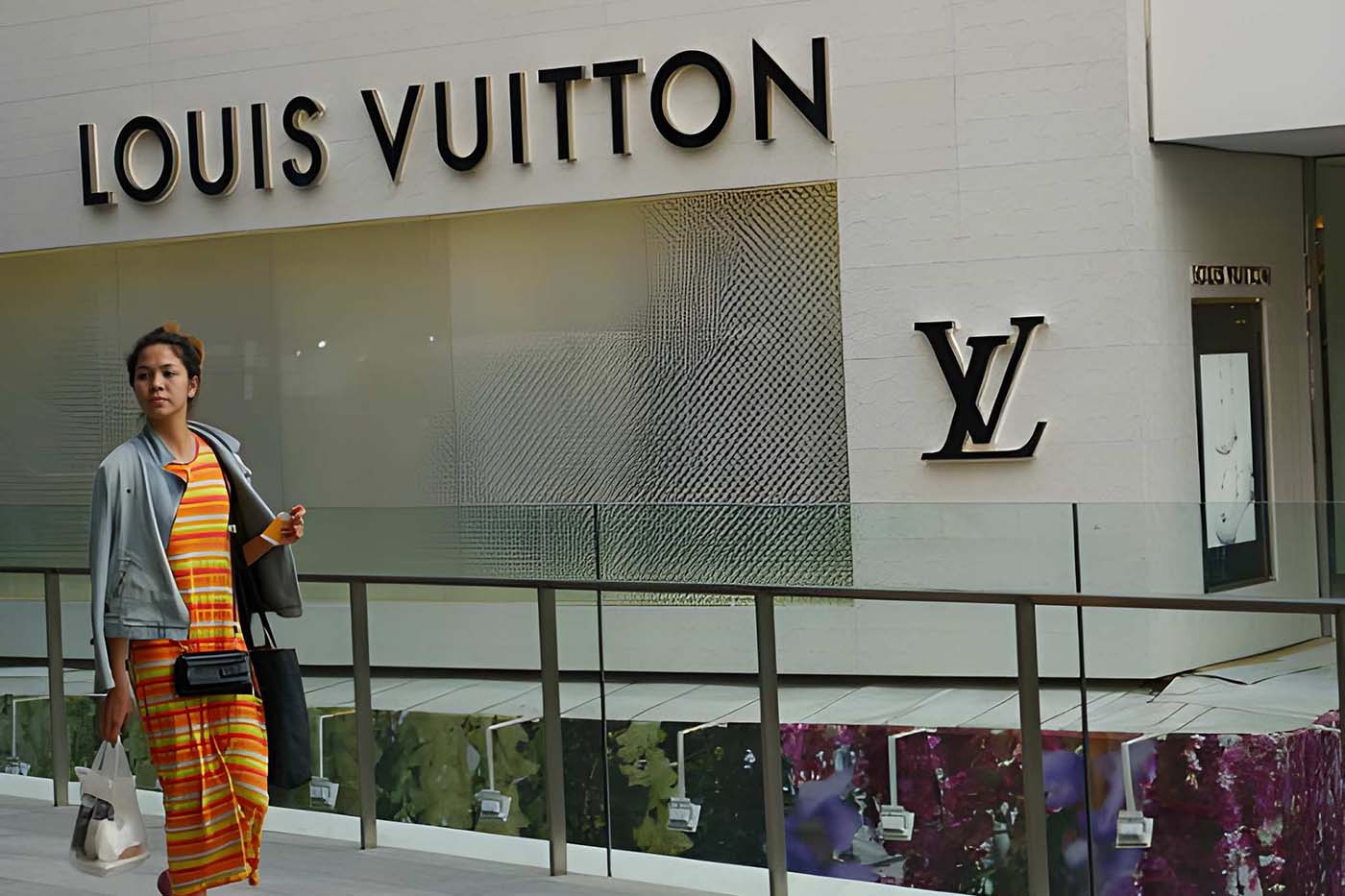
For many buyers, acquiring a Louis Vuitton handbag is not simply a purchase; it is an emotional milestone and often a sound financial investment. The distinctive Monogram canvas, the rich patina of Vachetta leather, and the heritage associated with the French design house carry a specific weight and prestige. Whether seeking a classic Speedy, a practical Neverfull, or a versatile Alma, the decision to invest in luxury is usually made with careful consideration.
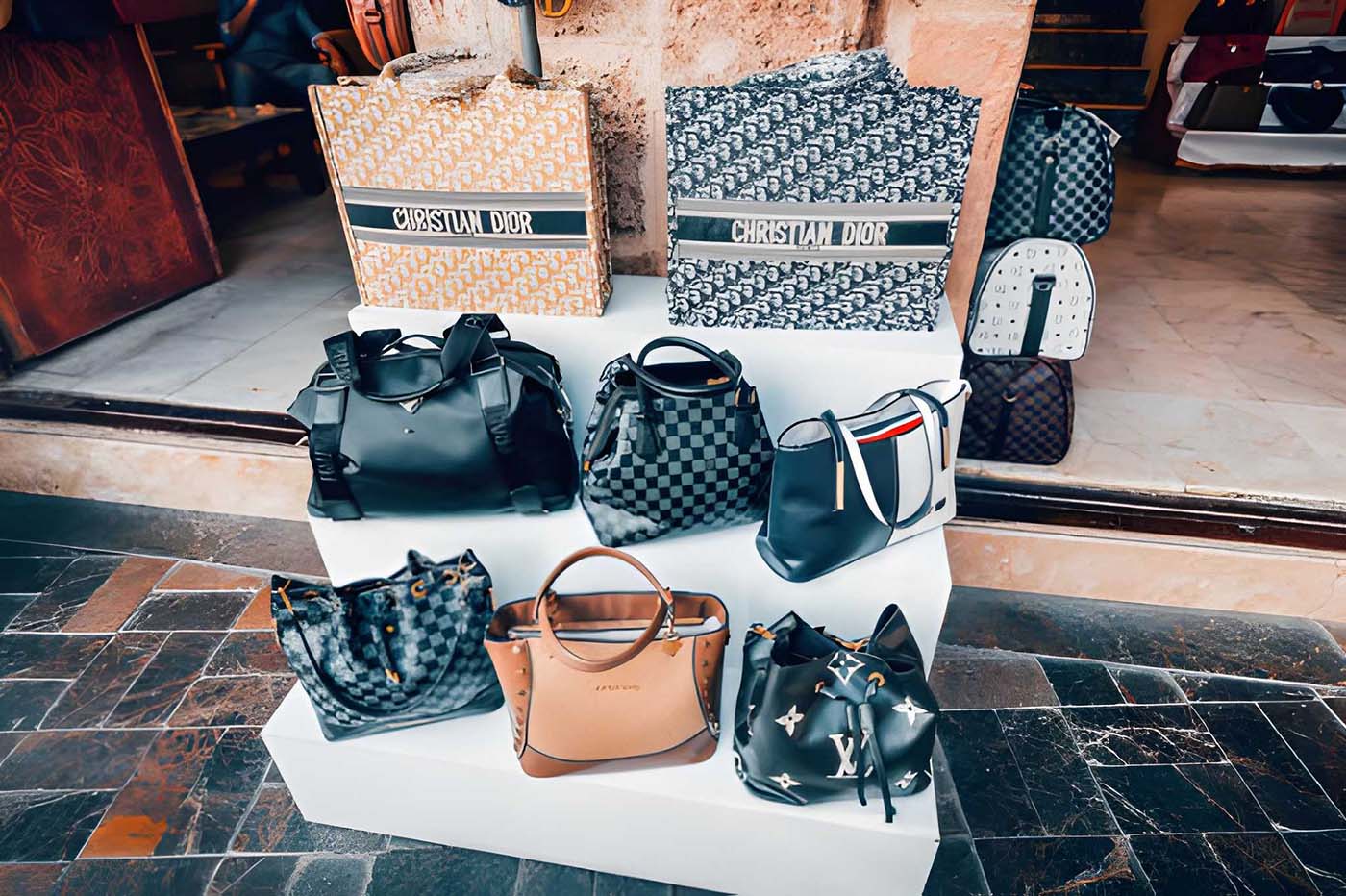
However, the global desire for luxury goods has created a thriving, sophisticated market for counterfeit items. The reality is that the quality of fakes has improved drastically in recent years, making it increasingly difficult for the average consumer to differentiate genuine articles from convincing knockoffs. The crushing disappointment of realizing a significant purchase is worthless is a feeling no buyer should experience.
To successfully shop Louis Vuitton handbags, especially in the secondary market, requires knowledge, patience, and a deep understanding of the brand’s unwavering standards for quality. The process of authentication is complex, requiring a holistic look at the item’s provenance, material quality, and craftsmanship details. This guide details the critical factors genuine Louis Vuitton pieces share and how buyers can protect their investment by vetting both the product and the seller.
The Allure and the Anxiety of Luxury Shopping
The decision to buy a luxury item often begins with desire and transforms into a question of trust. When a buyer chooses a pre-loved Louis Vuitton bag, they are seeking the history and value of the piece at a more accessible price point. This is where the anxiety begins because the savings offered by the secondary market are often paralleled by the risk of encountering counterfeits.
The sheer volume of fakes in the marketplace necessitates a rigorous approach to sourcing. Buyers should understand that Louis Vuitton maintains extremely high manufacturing standards, resulting in consistent, predictable quality across all their product lines, from the stitching density to the specific weight of the hardware. Fakes often stumble in replicating this consistency across multiple features.
The fundamental secret to confident buying is minimizing the risk right from the start. That means prioritizing the seller over the sale price. Buyers serious about adding an authenticated piece to their collection must start their journey with reputable resellers. Companies that have built their business on integrity and meticulous verification, such as Couture USA, handle the grueling authentication work upfront. They provide the necessary assurance that the purchase is secure, allowing the buyer to focus on the enjoyment of the bag, rather than the paranoia of quality control.
Why Trustworthy Resellers Matter
In the luxury resale economy, the seller’s reputation is the single most valuable asset. A reputable dealer invests heavily in training specialized authenticators, implementing multi-point inspection processes, and guaranteeing the authenticity of every item sold. This level of dedication translates directly into peace of mind for the customer.
When considering where to shop Louis Vuitton handbags, buyers should ask about the seller’s authentication process. Do they use independent third-party services? What is their refund policy if an item is later proven fake? An honest, established business will be transparent about their methods and their commitment to customer satisfaction. They understand that their own credibility rests entirely on the legitimacy of their inventory.
Counterfeit sellers, conversely, often offer inconsistent details, suspicious low prices, or refuse to provide high-resolution images of specific details like date codes or heat stamps. If the deal feels too good to be true, it almost certainly is. Authentic Louis Vuitton pieces hold their value exceptionally well; significant, unexplained discounts are a major red flag.
The Craftsmanship: Texture, Feel, and Smell
True authentication begins with a deep, sensory examination of the bag’s materials. Fakes often look correct in low quality online photos, but they fail the moment the item is held, touched, or smelled.
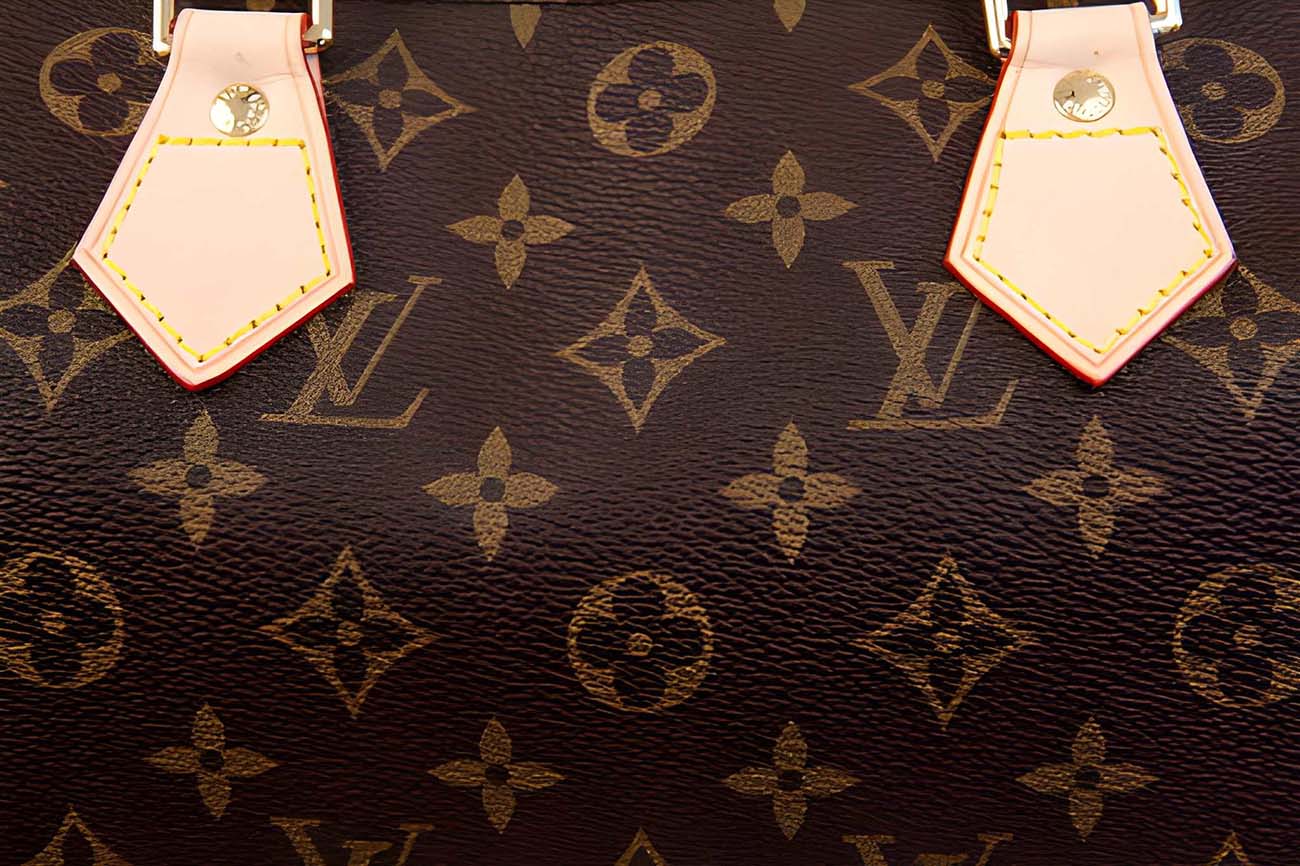
The Canvas and Leather Distinction: Louis Vuitton Monogram and Damier canvas is highly recognizable, but the quality of the genuine article is difficult for mass counterfeiters to replicate. The material is not simple printed cotton or plastic; it is a coated canvas, a hybrid material known for its durability and slight texture.
When examining the Monogram canvas, a genuine bag will feel pliable, substantial, and matte, not overly glossy or stiff. Fakes often feel slick, brittle, or overly textured. If a bag is supposed to be relatively new but the canvas feels hard and creased, that is cause for suspicion.
The Vachetta leather used on handles, trim, and piping of many classic pieces is perhaps the greatest giveaway. Vachetta is untreated, natural cowhide leather. When new, it is pale beige or off-white. Crucially, Vachetta oxidizes and darkens over time due to exposure to sunlight and oils from hands. This process is called patination, turning the leather a rich honey color. If a bag is listed as vintage or pre-owned, yet the Vachetta is still pale white, it suggests the leather is counterfeit and will not age correctly. A fake will often use cheap, processed leather that feels plastic like and resists developing a natural, even patina.
Finally, consider the smell. Genuine Louis Vuitton items have a distinct, subtle scent of high quality materials and leather. Fakes often carry a chemical, synthetic, or powerful plastic smell resulting from poor quality glues and finishes.
Hardware, Heat Stamps, and Hidden Codes
The manufacturing of Louis Vuitton hardware and markings adheres to exacting precision, which counterfeiters often overlook or attempt to shortcut.
Weight and Finish of Hardware: Genuine Louis Vuitton hardware is often made of solid brass, though some modern pieces use high-quality gold plating. The keys, locks, zippers, and clasps should feel solid, heavy, and expensive. They should operate smoothly, without snagging or stiffness. The finishing is uniform and clean.
In contrast, counterfeit hardware often feels light, tinny, and cheap. The plating on a fake may chip, flake, or appear patchy, especially around the edges or where metal pieces rub together. Look closely at the engraving on the zipper pulls and lock mechanisms. The Louis Vuitton name or logo should be crisp, deep, and perfectly centered. If the font looks shallow, blurry, or misaligned, the piece is likely fake.
Heat Stamps and Font Integrity: The heat stamps displaying the “LOUIS VUITTON PARIS made in [Country]” are critical authentication markers. Counterfeiters frequently fail to replicate the exact font and spacing of these stamps. When examining a heat stamp, look for the following characteristics:
– The R in LOUIS VUITTON: On genuine stamps, the leg of the R in VUITTON often appears very close to the following letter, creating a distinctive look.
– The O’s: The letter O in both LOUIS and VUITTON is almost perfectly round, appearing slightly thicker or larger than the other letters.
– Spacing and Depth: The stamp should be deep enough to leave a clear impression but never bleed or blur into the leather. The spacing between letters is highly consistent. Fakes often feature thin, poorly pressed, or slightly slanted stamps.
Anatomy of the Date Code
Louis Vuitton does not use serial numbers for tracking individual bags. Instead, they use date codes. These codes identify the factory location and the week or year the bag was produced. These codes are usually stamped onto a small leather tab inside the bag or hidden within a seam or lining.
It is crucial to understand that a date code does not authenticate a bag; it merely places the bag within a plausible time frame and location. Many high quality fakes now include accurate-looking date codes. However, if the factory code or date format is inconsistent with the expected era of the bag, it is a significant warning sign.
For example, a bag made in the 1980s will have a different code format than one made after 2007. An authenticator knows precisely which factory codes correspond to which countries and how the date digits should align. If a date code suggests a bag was made in France, but the interior tag states “Made in Spain,” that is a clear conflict.
The Stitching Standard: Precision and Pattern Alignment
Louis Vuitton’s manufacturing precision is most evident in its stitching and pattern placement. The consistency here reflects the brand’s dedication to perfect execution.
Stitching on a genuine Louis Vuitton bag should be even, slightly slanted, and perfectly measured. The thread color is typically a mustard yellow or honey shade, not bright yellow or stark white. Authentic LV bags use the same stitch count on corresponding pieces across the body of the bag. For instance, if one side of the handle base has eight stitches, the opposing side will also have eight stitches. Poor stitching density, irregular length, or messy backstitching are definitive signs of a fake.
In Conclusion
Acquiring a Louis Vuitton handbag is a pursuit of beauty, quality, and heritage. Protecting that investment requires vigilance against increasingly sophisticated counterfeits. The key secrets to confident shopping are rooted in detailed observation, feeling the texture of the Vachetta, confirming the weight of the brass, and scrutinizing the consistency of the heat stamp, but more importantly, they are rooted in choosing the right source.
By selecting highly reputable sellers who stand firmly behind their inventory and provide comprehensive guarantees, buyers can successfully navigate the secondary market and enjoy the enduring elegance of genuine Louis Vuitton craftsmanship.