For many travelers, a hotel stay is no longer just about having a clean room and a comfortable bed. By 2026, expectations have shifted in subtle but meaningful ways. Guests still value good design, location, and service, but the definition of a great hotel experience now begins long before arrival and continues well after check-out.
What sets memorable stays apart today is ease. Ease of planning, ease of booking, ease of communication, and ease of feeling understood. Travelers want experiences that feel intuitive, personal, and friction-free, without having to ask for them.
As travel continues to rebound and evolve, hotels are quietly redefining what “good” really means. Here is what actually shapes a great hotel experience in 2026.
The experience starts long before check-in
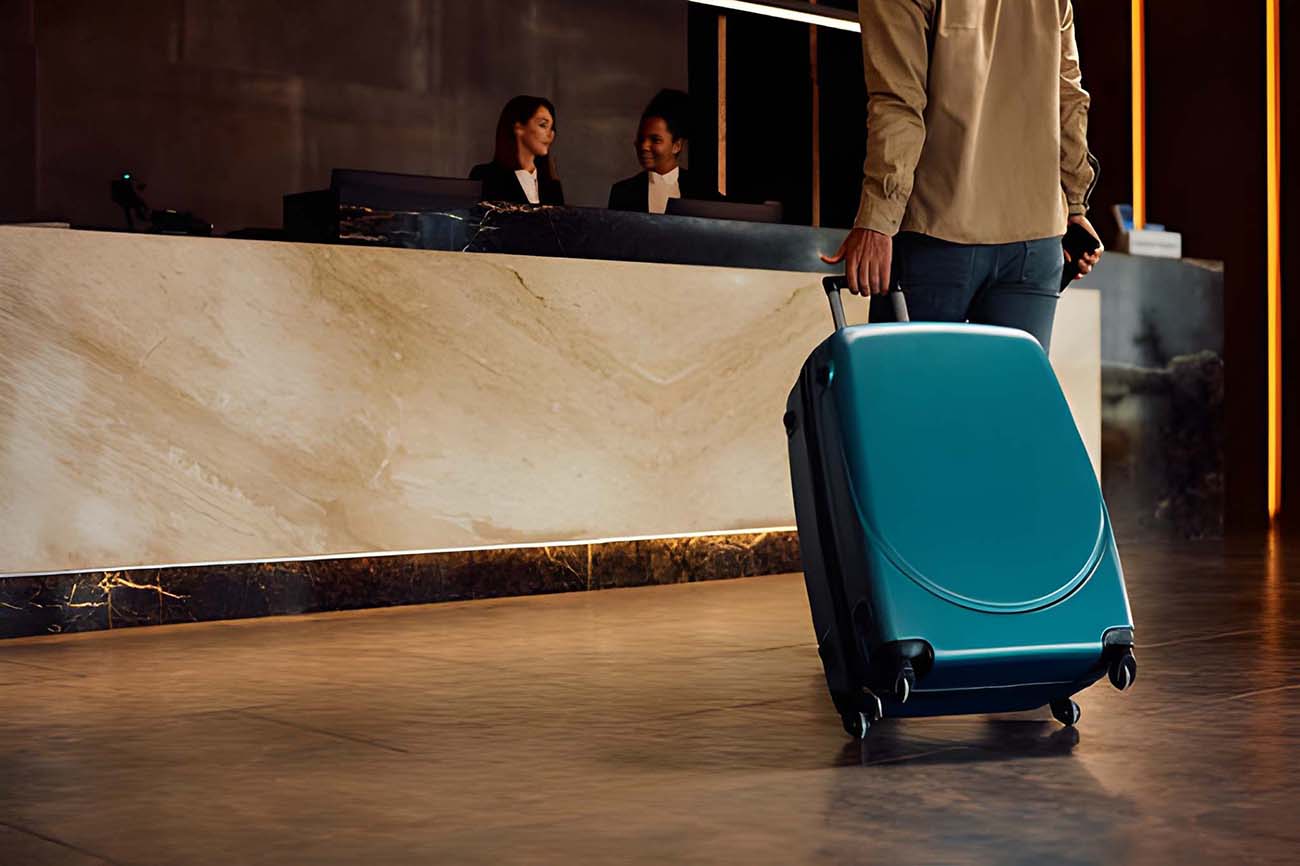
A great hotel stay in 2026 doesn’t begin at the front desk. It starts the moment a guest decides where to go and how to stay there. Travelers now expect booking to feel as considered as the destination itself, with clear options, flexible dates, and pricing that makes sense at a glance. Confusing interfaces or outdated systems quickly erode trust before a suitcase is even packed.
Behind the scenes, many hotels are investing in smarter digital foundations to meet these expectations. Thoughtful hotel booking software development allows properties to sync availability in real time, personalize offers based on guest behavior, and reduce the friction that once defined online reservations. When this layer works quietly and efficiently, guests experience the result as simplicity rather than technology.
What matters most is the feeling of control. Travelers want to adjust plans, compare room types, and understand what they are paying for without jumping between platforms or reading fine print. When booking feels intuitive, guests arrive already relaxed, with the sense that the hotel understands their needs before they step inside.
In this way, the booking process has become part of the hospitality experience itself. A smooth digital journey sets the tone for everything that follows, shaping expectations and influencing how the entire stay is remembered.
Personalisation without intrusion
In 2026, personalization is expected, but it needs to be subtle. Guests appreciate being recognized, not monitored. A great hotel remembers preferences such as room type, pillow choice, or dietary needs, without making the guest feel overanalyzed.
Simple gestures now carry more weight than grand ones. A room set to a preferred temperature, a welcome note referencing a previous stay, or tailored recommendations for nearby restaurants all help guests feel seen.
Importantly, personalization should feel optional. Travelers want control over what they share and how it is used. Hotels that respect boundaries while still offering relevant experiences stand out in a crowded market.
Seamless digital and human interaction
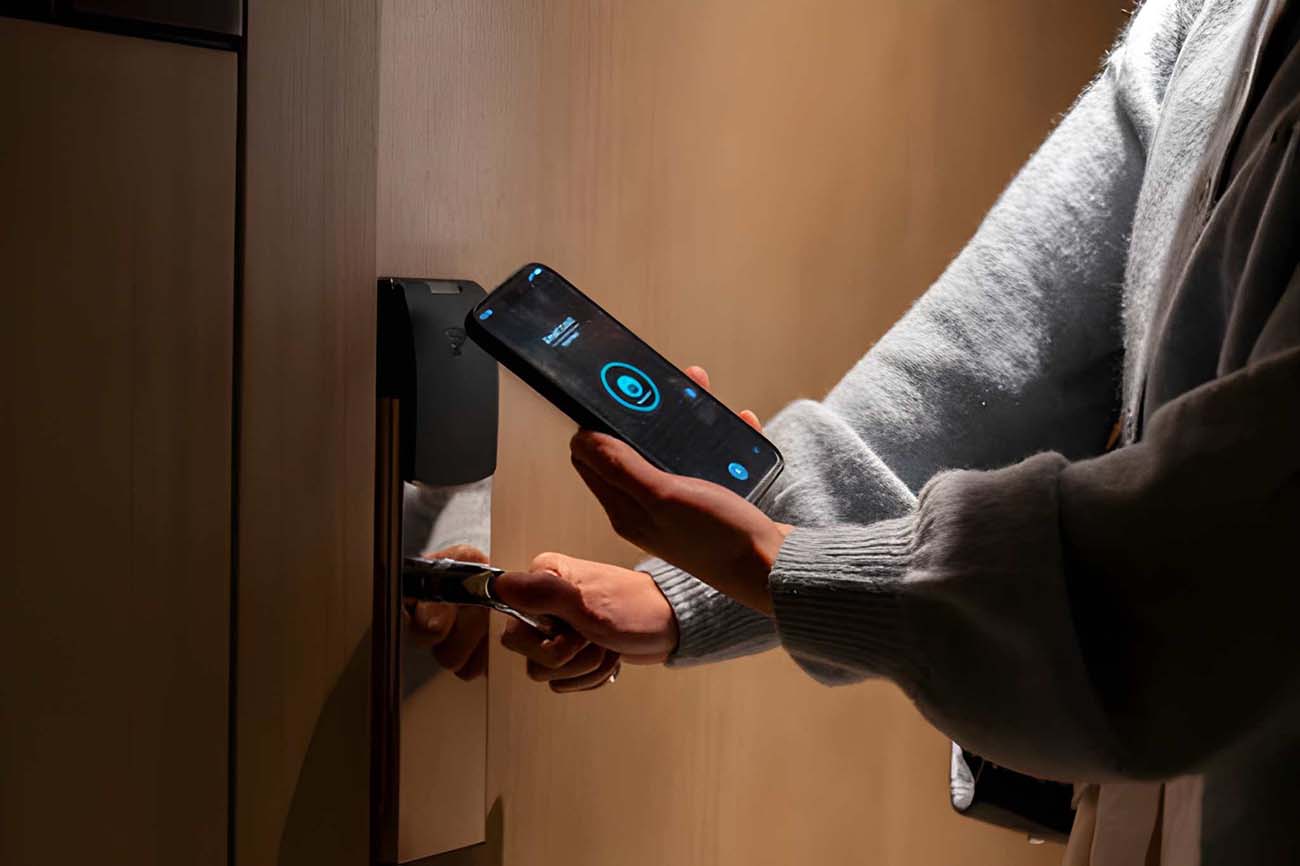
The best hotel experiences in 2026 blend digital convenience with genuine human service. Guests enjoy being able to check in online, message the front desk through an app, or access hotel information digitally. At the same time, they still value friendly staff who are present, attentive, and empowered to help.
Technology should remove friction, not replace hospitality. When systems work well, staff spend less time on administrative tasks and more time creating meaningful interactions. Guests notice when employees are calm, informed, and able to focus on service rather than screens.
A great hotel experience feels connected, not automated.
Flexibility is no longer a bonus
Travel plans change. Flights are delayed, meetings run long, and personal schedules shift. In 2026, flexibility is no longer seen as a perk but as a baseline expectation.
Guests value hotels that offer adaptable check-in and check-out times, clear modification options, and transparent policies. Rigid rules now feel outdated, especially for business travelers and digital nomads who blend work and leisure.
Flexibility builds trust. When guests know a hotel will accommodate reasonable changes, they are more likely to book with confidence and return in the future. Companies such as COAX Software, which specializes in custom travel software development, work closely with travel and hospitality brands to design booking platforms that prioritize flexibility, clarity, and real user behavior.
Design that supports how people actually travel
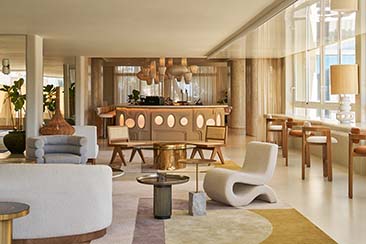
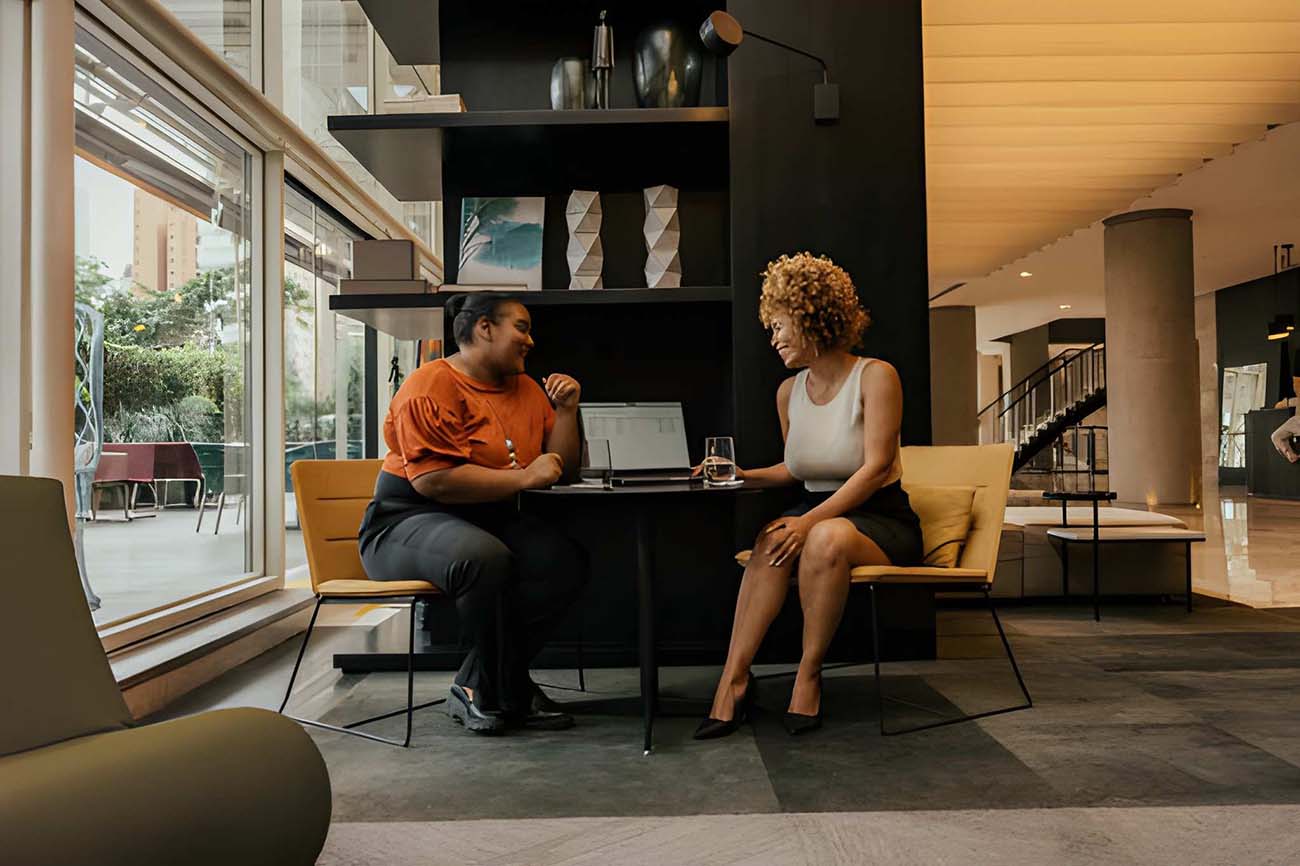
Design remains important, but it is evolving. Travelers now look for spaces that support how they live and work on the road. Rooms need to function well for rest, work, and relaxation, often within the same day.
Good lighting, practical workspaces, comfortable seating, and thoughtful storage matter just as much as aesthetics. Public areas are increasingly designed for multiple uses, from casual meetings to quiet downtime.
Hotels that invest in functional, adaptable design create environments that feel natural rather than staged.
Consistent experience across every touchpoint
A great hotel experience feels consistent from start to finish. The tone of voice used in booking emails matches the in-person welcome. The information shared online aligns with what guests encounter on site. Promises made during booking are kept throughout the stay.
Inconsistency creates friction. Guests notice when something feels disconnected or misleading. Consistency, on the other hand, builds confidence and comfort.
Behind the scenes, this consistency often relies on well-integrated systems and clear internal processes. For guests, it simply feels like things work as they should.

Support that feels proactive, not reactive
In 2026, travelers appreciate support that anticipates needs rather than responding only when something goes wrong. Clear arrival instructions, local tips shared at the right moment, or updates about weather or transport disruptions all add value.
When issues do arise, guests expect fast, empathetic responses. They want to feel heard and helped, not redirected or delayed.
Hotels that invest in proactive communication reduce stress and enhance trust, even in challenging situations.
Sustainability as a lived value
Sustainability has moved beyond towel reuse signs. Guests increasingly look for hotels that demonstrate real commitment through actions, not messaging alone.
Energy-efficient operations, reduced waste, local sourcing, and transparent sustainability efforts influence booking decisions. Travelers want to feel that their stay aligns with their values without sacrificing comfort.
Importantly, sustainability works best when it is seamlessly integrated into the experience. Guests prefer thoughtful solutions that enhance their stay rather than restrictions that feel imposed.
Emotional connection still matters most
Despite all the changes, one thing remains constant. The best hotel experiences are those that make guests feel good. Feeling relaxed, welcomed, and cared for is still at the heart of hospitality.
A warm greeting, a helpful recommendation, or a small unexpected kindness can leave a lasting impression. Technology and systems support these moments, but they do not replace them.
Hotels that focus on emotional connection, supported by smart processes and tools, are the ones guests remember and recommend.
What defines a great hotel experience now
In 2026, a great hotel stay is defined less by luxury and more by flow. How smoothly things move, how clearly information is shared, and how naturally the experience adapts to the guest.
From the first search to the final follow-up message, every touchpoint matters. Travelers may not see the systems behind the scenes, but they feel the results.
Hotels that understand this shift are not chasing trends. They are building experiences that feel effortless, human, and genuinely enjoyable.
And for guests, that is what truly defines a great stay today.