Key Takeaways
– Regular upkeep and timely upgrades are essential for efficient AC operation.
– Using smart thermostats and ensuring proper insulation can deliver noticeable savings on utilities.
– Easy everyday practices, such as running ceiling fans and using blackout curtains, enhance overall cooling performance and system longevity.
Efficient air conditioning can save you money and keep you comfortable, especially during the hottest months. Improving your home’s AC performance means keeping your system running at its best while maintaining a comfortable indoor environment. For homeowners looking to avoid costly breakdowns and achieve reliable performance, small upgrades and maintenance routines can make a significant difference. If you are searching for dependable AC repair in Edison, NJ, it is important to choose skilled technicians who can optimize your system’s efficiency and keep you cool throughout the summer.
Homes that use efficient air conditioning systems experience lower energy bills and less wear on their equipment. Smart adjustments to your habits, updates to your home, and professional servicing are all part of the equation. Whether you’re starting with simple measures or are prepared to invest in long-term upgrades, these strategies will boost your home’s cooling efficiency and your overall comfort.
Regular Maintenance and Cleaning
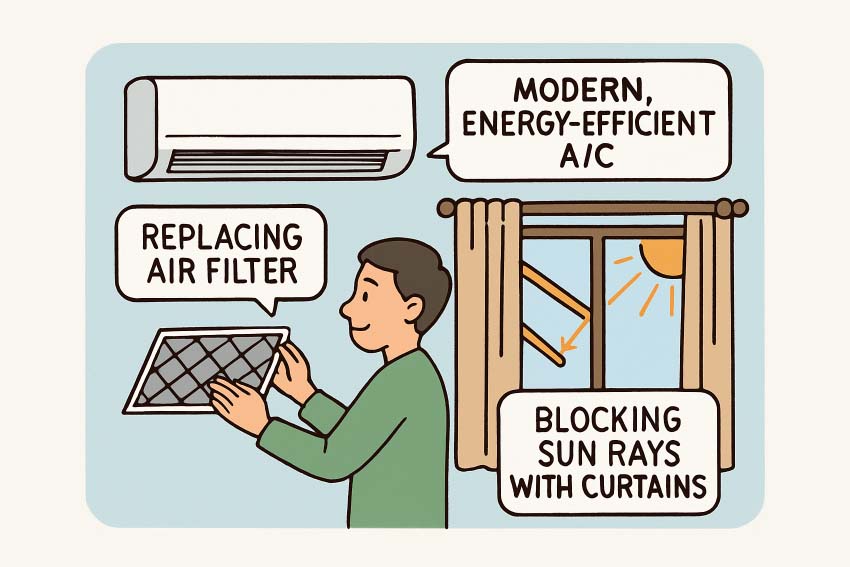
Routine maintenance is the foundation of an efficient air conditioning system. Changing air filters every 1 to 3 months helps maintain optimal airflow, allowing your AC to run more smoothly. When a filter is dirty, your system works harder to move air, consuming more electricity and increasing wear on components. Along with filter changes, wiping down vents and keeping indoor units free of dust also prevent blockages that can interfere with performance. Outside, the condenser unit should be kept clear of leaves, grass clippings, and debris. Blocked condenser fins can trap heat, forcing your AC to work harder and use more energy, shortening its lifespan.
Upgrade to a Smart Thermostat
Smart thermostats offer better temperature control and significant energy savings. They learn your daily routine and adjust the temperature accordingly, so you do not waste electricity cooling an empty house. According to the U.S. Department of Energy, adjusting your thermostat by 7 to 10 degrees Fahrenheit for at least 8 hours a day can reduce annual heating and cooling costs by up to 10%. These devices also let you make adjustments from your smartphone, offering added convenience and the chance to save even more over time.
Enhance Home Insulation
Insulation is critical for maintaining the temperature you want inside your home. Air leaks around windows and doors let cool air escape and bring warm air in, which forces your AC to run longer and harder. Sealing these leaks with weatherstripping, door sweeps, and caulk makes a notable difference. Additionally, upgrading insulation in your walls, attic, and crawl spaces will create a stronger barrier against outside heat.
Utilize Ceiling Fans
Ceiling fans are an effective companion to your air conditioner. By circulating cool air, they allow you to set your thermostat higher without sacrificing comfort. In the summer months, setting your ceiling fan to spin counterclockwise distributes air that feels cooler on your skin, creating a wind-chill effect. The fan’s gentle breeze can make a room feel several degrees cooler and lower overall energy usage by easing the workload on your AC unit.
Manage Sunlight with Window Treatments
Direct sunlight can swiftly heat up your home, particularly through south- and west-facing windows. Blocking sunlight or reflecting it during the hottest parts of the day minimizes the amount of heat entering your living space. Installing blackout drapes, reflective shades, or light-colored blinds is a smart way to reduce solar gain. This not only improves efficiency but also keeps rooms cooler and more comfortable in the afternoon. Keeping window treatments closed during peak sunlight hours can lead to noticeable reductions in your cooling costs.
Consider Energy-Efficient AC Units
Air conditioners that are more than ten years old are likely much less efficient than today’s models. Upgrading to a modern unit with a high Seasonal Energy Efficiency Ratio (SEER) rating can cut energy use by up to 20 to 40 percent in some cases, according to the U.S. Department of Energy. ENERGY STAR-certified systems also deliver superior cooling with a lower environmental impact. When considering a new AC unit, look for the highest SEER rating that fits your budget and home requirements for maximum savings over time.
Implement Zoned Cooling Systems
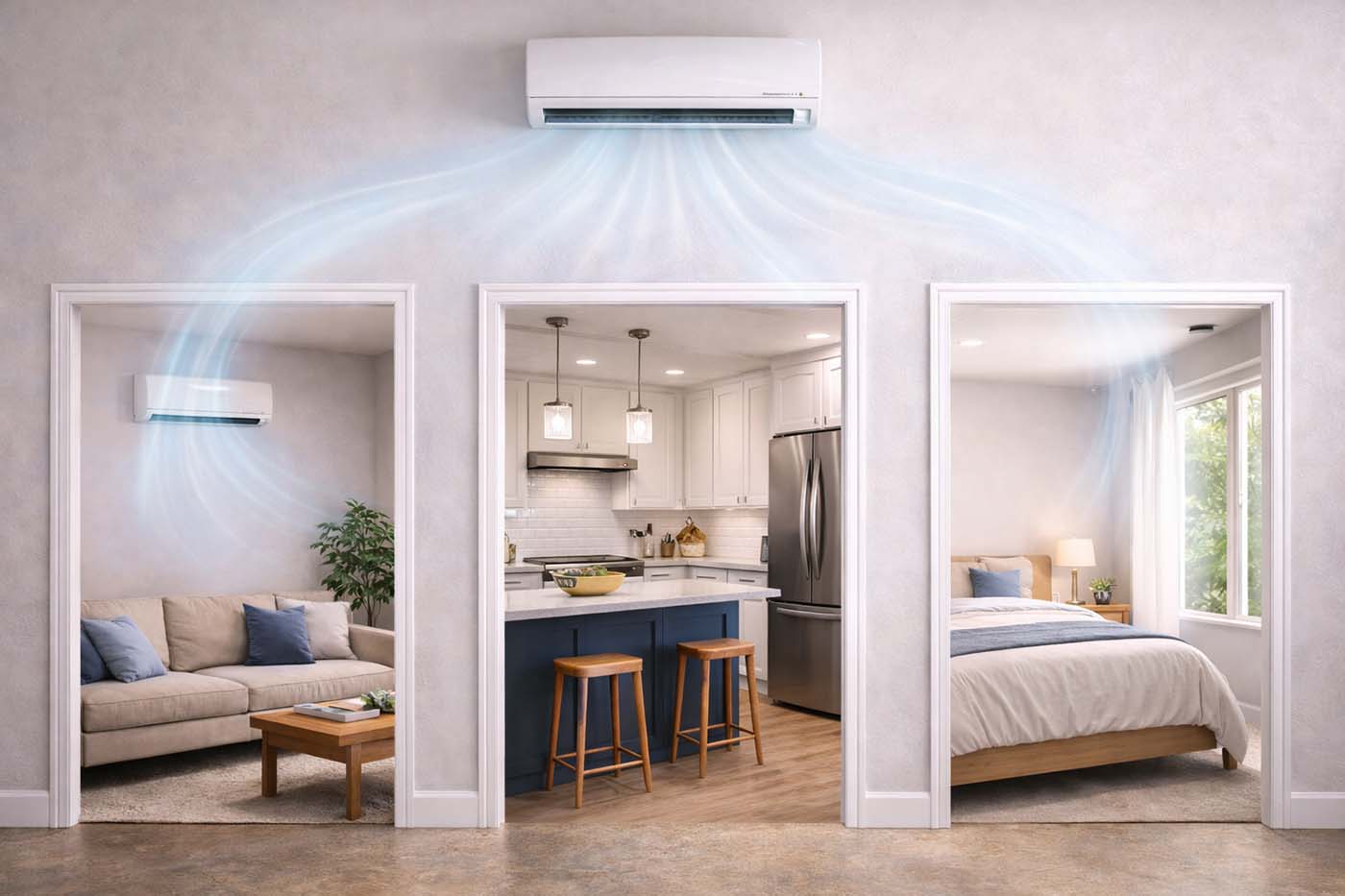
Installing a zoned cooling system creates separate climate zones for different areas of your house, each with its own thermostat. This means you can cool occupied rooms more efficiently and avoid wasting energy on unused spaces. Zoned systems can be retrofitted into many homes, and are especially useful for multi-story houses or homes with large, open floor plans. Strategic cooling can make your living spaces much more comfortable and significantly reduce your energy consumption.
Schedule Professional Servicing
Having your air conditioning unit examined by a professional every year is essential for optimum efficiency and system longevity. Technicians perform tasks like cleaning evaporator and condenser coils, checking refrigerant levels, lubricating moving parts, and inspecting the thermostat and electronics for functionality. Preventive servicing catches small issues before they turn into major repairs and ensures your AC continues operating at its best throughout the season.
Final Thoughts
Applying these smart strategies will help you enjoy a cooler home for less money and extend the lifespan of your air conditioning equipment. A proactive approach benefits both your wallet and the long-term comfort of everyone in your household.