The final mile has always been the supply chain’s most expensive blind spot. It is a massive market, too. Globally, supply chain management is expected to reach USD 39.22 billion in 2026, with projections jumping to nearly USD 89.57 billion by 2034. However, for logistics leaders, the immediate reality is pressure.
How do you keep delivery success rates high without letting daily costs spiral? In an environment where speed, transparency and reliability define the future of ecommerce delivery, the answer isn’t about fixing problems as they pop up. It is about getting ahead of them. That is where last mile tracking software comes in. It turns chaotic, “black box” operations into clear, data-driven ecosystems.
Dispatchers get the visibility they need to master real-time constraints and hit those first-attempt delivery targets. If you don’t adapt, you risk handing market share to faster competitors. Let’s look at how this technology is redefining success in the supply chain.
Key Benefits of Implementing Last Mile Tracking Software in Your Supply Chain
Deploying these advanced tools goes beyond simple location visibility to fundamentally reshape how logistics teams function. Here is how modern platforms drive measurable value across every touchpoint of the delivery ecosystem:
1. Elevating Operational Efficiency and Speed
The days of planning delivery routes with static maps and manual spreadsheets are fading fast in this competitive sector. Using smart route optimization software allows dispatchers to build better routes much faster while looking at traffic and vehicle limits.
Last mile tracking software relies on a constraint-rich scheduling delivery engine to ingest vehicle capacities, driver shift timings, zonal rules, delivery time windows and customer preferences. Furthermore, dynamic resequencing handles real-time constraints like heavy traffic or a sudden change in driver availability without breaking the schedule.
This dynamic capability ensures that First-attempt Delivery Rates (FADR) remain stable even when unexpected road disruptions occur. Effective last mile delivery route optimization means dispatchers can cut load out times significantly daily while lowering the cost per drop.
2. Enhancing the Customer Delivery Experience
Customer worry about order status is the main cause of support calls and leads to repetitive “Where is My Order?” (WISMO) inquiries. Today’s shoppers expect to know exactly when their package will arrive without having to call a support agent. Smart last mile tracking software portals let users self-serve their routine enquiries so teams can focus on complex issues.
Real-time updates and personal alerts can reduce WISMO calls while at the same time improving Net Promoter Scores (NPS). Last mile delivery tracking software grants customers the freedom to choose Alternate Delivery Points (ADPs) or Pick-up and Drop-off (PUDO) locations.
This accessibility proves invaluable during those instances where a recipient is unable to be at home to accept their package. It reduces missed deliveries and provides total control over the buyer’s delivery experience.
3. Optimizing Carrier Selection and Costs
With last mile tracking software, managers can immediately select the proper carrier, as performance scores and rates can be checked. Reliance on a single carrier is a common mistake that tends to inflate shipping costs.
Built on last mile tracking software, a multi-carrier strategy offers an important buffer against rising delivery costs and operational instability. With rate-based routing, businesses can move away from the limitations of a single provider and into the most economically advantageous networks available.
This flexibility is particularly crucial at holiday peaks, helping the company to avoid common carrier bottlenecks. The software performs instantaneous cross-provider comparisons to secure the best possible trade-off between transit speed and shipping price for every individual package.
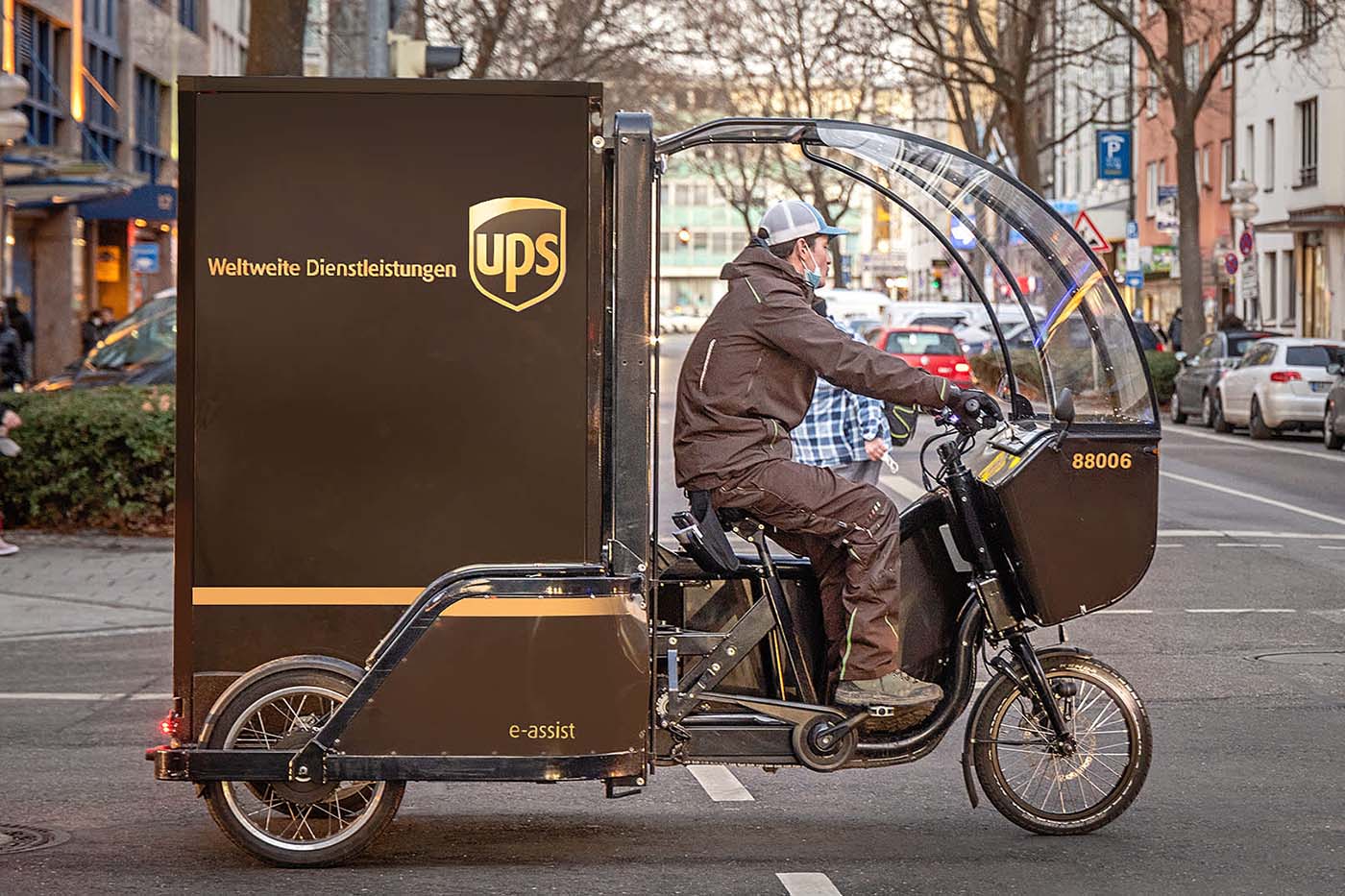
It ensures that a local bike courier handles nearby small items while larger trucks handle bulkier regional shipments. Dispatchers also spend much less time responding to Request for Proposals (RFPs) because the data is readily available centrally.
4. Data-driven Decision Making for Growth
Where many logistics operations are being caught in a cycle of firefighting, true growth requires a focus on forward thinking. By reviewing key performance data points, such as On-time In-full Delivery (OTIF) statistics or service times, businesses can identify problem areas before they create a chain reaction. Sophisticated route planning software now makes it possible to plan for capacity needs several weeks down the line.
This greatly reduces the chances of any Service Level Agreement (SLA) violations and also reduces the time spent on correcting errors that occur on a daily basis. This will enable planners to apply this evidence in creating complex models, for example, increasing the number of fleets.

5. Streamlining Audits and Financial Compliance
Advanced last mile tracking software tools help finance teams check bills against agreed rates and find errors in carrier invoices. Manual invoice reconciliation is often error-prone and consumes valuable time that could be spent on making a strategy. This tech ensures businesses pay only for valid work and removes the hard work of checking complex invoices.
It can automatically flag discrepancies in weight or distance charges that might otherwise slip through the cracks unnoticed. Cutting these heavy administrative tasks lets supply chain bosses focus on growth instead of getting stuck in small details.
6. Improving Driver Performance and Safety
The role of the driver is critical to the success of any last mile delivery operation in the market. To support them, advanced last mile tracking software acts as a digital co-pilot, ensuring safe navigation while strictly maintaining Department of Transportation (DoT) compliance.
These tools go beyond simple tracking; they actively monitor for risky behaviors, such as harsh braking or speeding to proactively elevate fleet safety. The software also automates Hours-of-Service (HoS) logging, which is essential for preventing fatigue and keeping operations legally sound.
By integrating gamification, managers can reward drivers who consistently hit safety and efficiency targets. Prioritizing the driver experience in this way significantly reduces turnover. Ultimately, a supported, satisfied driver delivers a better experience at the doorstep, directly strengthening your business’s reputation.
7. Managing Reverse Logistics Complexity
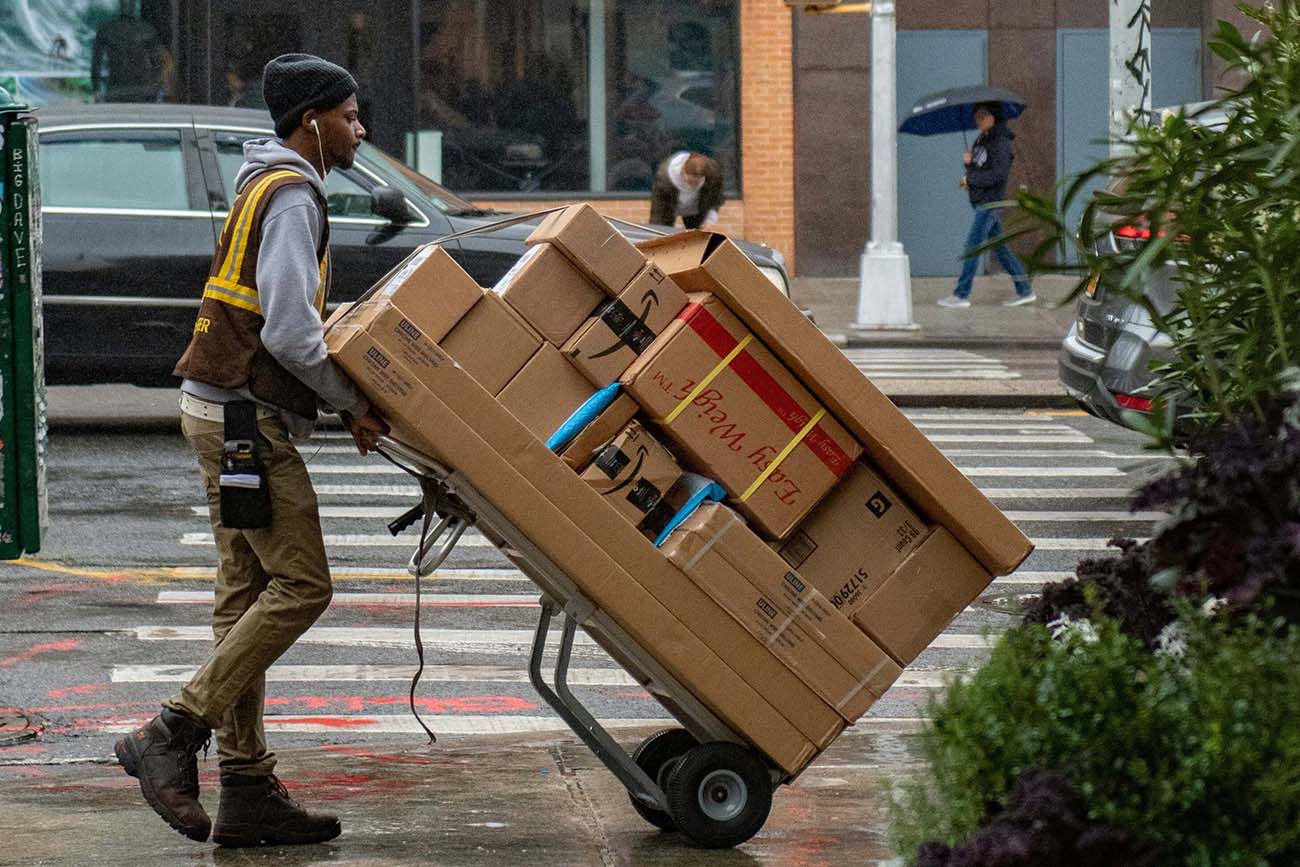
Managing Reverse Logistics Complexity Reverse logistics can easily erode profit margins if not managed effectively. Last mile tracking software addresses this challenge by empowering customers to initiate and monitor their own returns. This capability accelerates the reintegration of stock, ensuring items are processed or resold with minimal downtime.
Rather than just focusing on inventory speed, making returns easy and seamless turns what could be a pain point into a way to boost customer loyalty. It also allows logistics managers to incorporate return pickups into existing routes, so inbound deliveries don’t disrupt outbound ones.
8. Achieving Effortless Delivery Scheduling
One of the biggest challenges in modern logistics is aligning the promise made at checkout with actual fleet capacity. Success here depends on tight integration between the Order Management System (OMS), Transportation Management System (TMS) and Warehouse Management System (WMS). A unified approach is essential to manage slot availability based on demand and fleet constraints.
This ensures that urgent orders fit into the schedule defined by last mile tracking software with minimal disruption to existing plans. Last mile delivery optimization bridges this gap by using AI-scheduled stops to hit on-time delivery rates consistently. This precision transforms delivery reliability from a vague goal into a standard operating procedure for the entire organization.
Future-proofing Your Supply Chain with Last Mile Tracking Software
Adopting good last mile tracking software is not just an upgrade but a real need for keeping logistics running smoothly. Leaders who utilize last mile tracking software can manage complex jobs easily while keeping the high standards customers expect from them. It connects the digital promise made at checkout with the physical reality of the doorstep experience perfectly for everyone.
Partnering with technology partners like FarEye helps businesses reach new heights in operational efficiency and boost overall customer satisfaction. This alignment ensures that every delivery becomes a brand-building chance rather than a potential point of failure for you. The future of logistics belongs to those who value clear views, flexibility and data use in their daily operations.