Planning a wedding involves more than choosing colors and menus. It also means deciding how to spend your money. With so many expenses competing for attention, it’s easy to get pulled in multiple directions. But if you approach the process with intention, you can shape a wedding that reflects your values; not just trends or outside expectations.
By prioritizing what matters most to you as a couple, you gain clarity and reduce the risk of overspending on things that don’t bring lasting meaning. Whether you’re planning on a small budget or something more flexible, value-based spending helps you focus every dollar where it counts.

Why Value-Based Wedding Planning Matters
When you spend in line with your values, you’re more likely to enjoy the process and feel satisfied with the outcome. It keeps you from falling into the trap of spending money just because others did. Instead of trying to meet a certain standard, you set your own.
This kind of planning also makes financial sense. Weddings can be expensive, but they don’t have to be financially overwhelming. When your spending aligns with what actually matters to you, you get more from your budget, and you’re less likely to feel regret later.
Some couples also explore financial tools like loans for wedding costs when their priorities exceed their available savings. While borrowing isn’t right for everyone, it can provide flexibility if used with care and a clear plan. The key is making thoughtful decisions rather than rushed ones.
Step 1: Define Your Shared Wedding Vision
The first step is having an honest conversation with your partner. What do you both care about most? What kind of experience do you want for yourselves and your guests?
Some couples want a large celebration with everyone they know. Others care more about intimate moments or meaningful traditions. Write down your top 3 to 5 priorities together. These might include:
– A specific type of venue
– Great food and drinks
– Professional photography
– A live band
– A unique ceremony location
There’s no right or wrong answer. What matters is that you agree on what’s most important to you.
Step 2: Understand Where Most Couples Spend
It’s helpful to know where wedding costs typically go. This gives you a baseline to compare your own values and spot areas where you might want to spend more, or less.
Major wedding expenses often include:
– Venue rental
– Catering
– Attire
– Photography and videography
– Music or entertainment
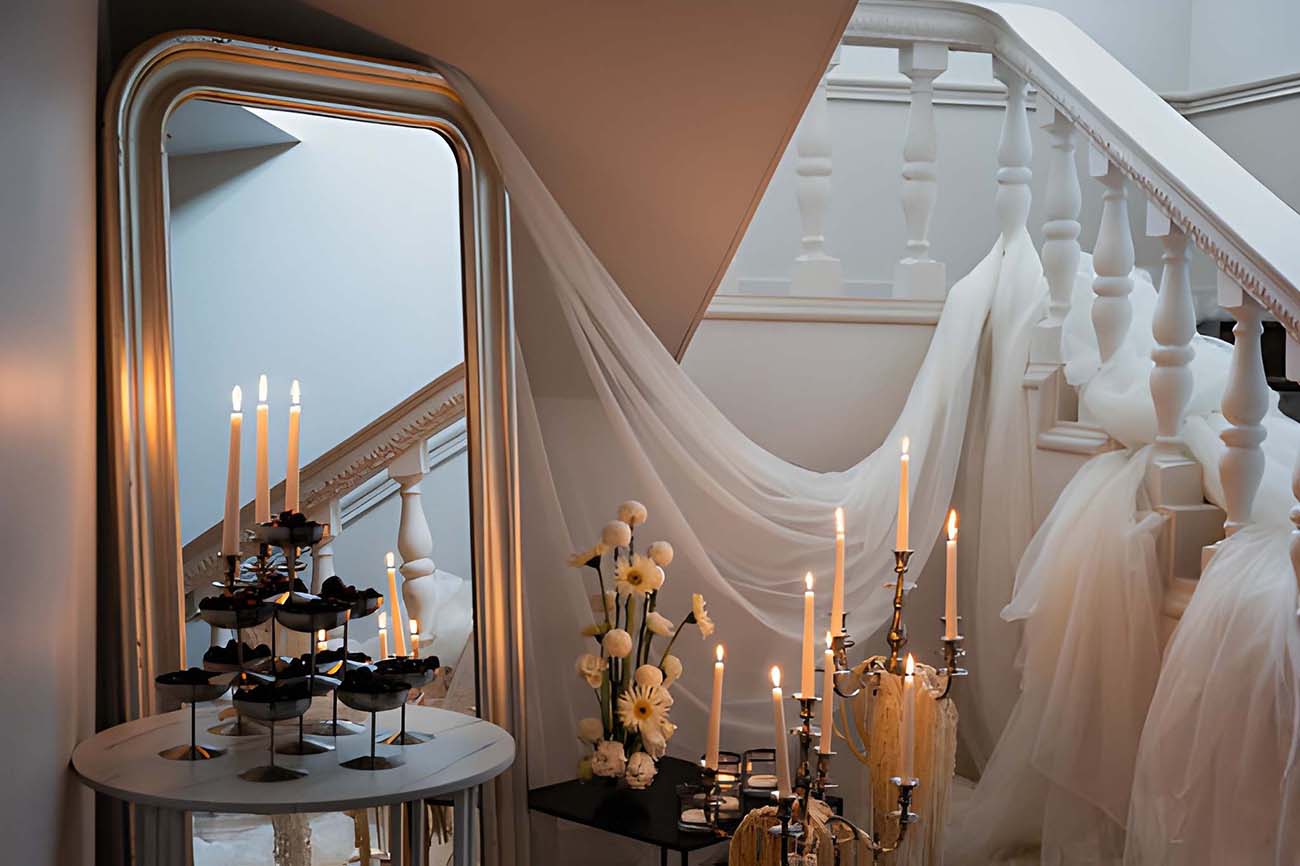
– Flowers and decor
Couples often overspend in areas they didn’t plan to prioritize simply because they didn’t realize how quickly costs could climb. Knowing the averages helps you prepare and make adjustments before signing any contracts.
Step 3: Match Your Budget to Your Priorities
Now that you know what matters most, it’s time to match your spending to your goals. Start by putting a larger portion of your budget toward the things at the top of your list. Then look for ways to simplify or cut back in areas that don’t carry the same value for you.
For example, if having beautiful, lasting photos is a priority, you might spend more on a skilled photographer and less on elaborate floral arrangements. Or if the guest experience is important, you may reduce spending on formal invitations and put that money toward food or entertainment.
You can’t have everything, but you can have the things that matter most. Budgeting this way creates a stronger sense of purpose with every decision you make.
Step 4: Be Willing to Break Tradition
Not every tradition fits every couple. Just because something is commonly done doesn’t mean it’s necessary or meaningful to you. If a certain element doesn’t align with your priorities, it’s okay to skip it.
Here are a few examples of traditions you might reconsider:
– Expensive party favors
– Printed programs
– Matching bridal party outfits
– Over-the-top décor
– Formal multi-course dinners
You might choose digital invitations, DIY elements, or a casual venue to better fit your style and budget. Couples today are redefining weddings in more personal and creative ways. Breaking from tradition is not only acceptable, but it can also often lead to more authentic celebrations.
Step 5: Revisit and Adjust as You Plan
Priorities may shift as planning moves forward. That’s normal. A new idea might come up or something you expected to matter may no longer feel as important. Be flexible and revisit your original values throughout the process.
Regular check-ins can help you stay grounded. Review your budget monthly and discuss any updates or new decisions together. This ongoing communication keeps both partners aligned and prevents misunderstandings about spending.
It’s also helpful to document your financial decisions and the reasons behind them. When everything is moving fast, having a record makes it easier to stay consistent with your original goals.
Final Thoughts
When you focus on what matters most, your wedding becomes more than just a series of expenses. It becomes a reflection of your values, your story, and your future together.
Prioritizing your spending doesn’t mean cutting corners. It means making conscious choices so you can create the kind of experience you’ll look back on with pride. Whether you’re planning with a modest budget or exploring options like loans for wedding support, the goal remains the same: to celebrate your commitment in a way that feels right for both your hearts and your finances.
Take time to define your vision, track your budget carefully, and let your values lead the way. The result will be a wedding that not only looks beautiful, but feels right too.