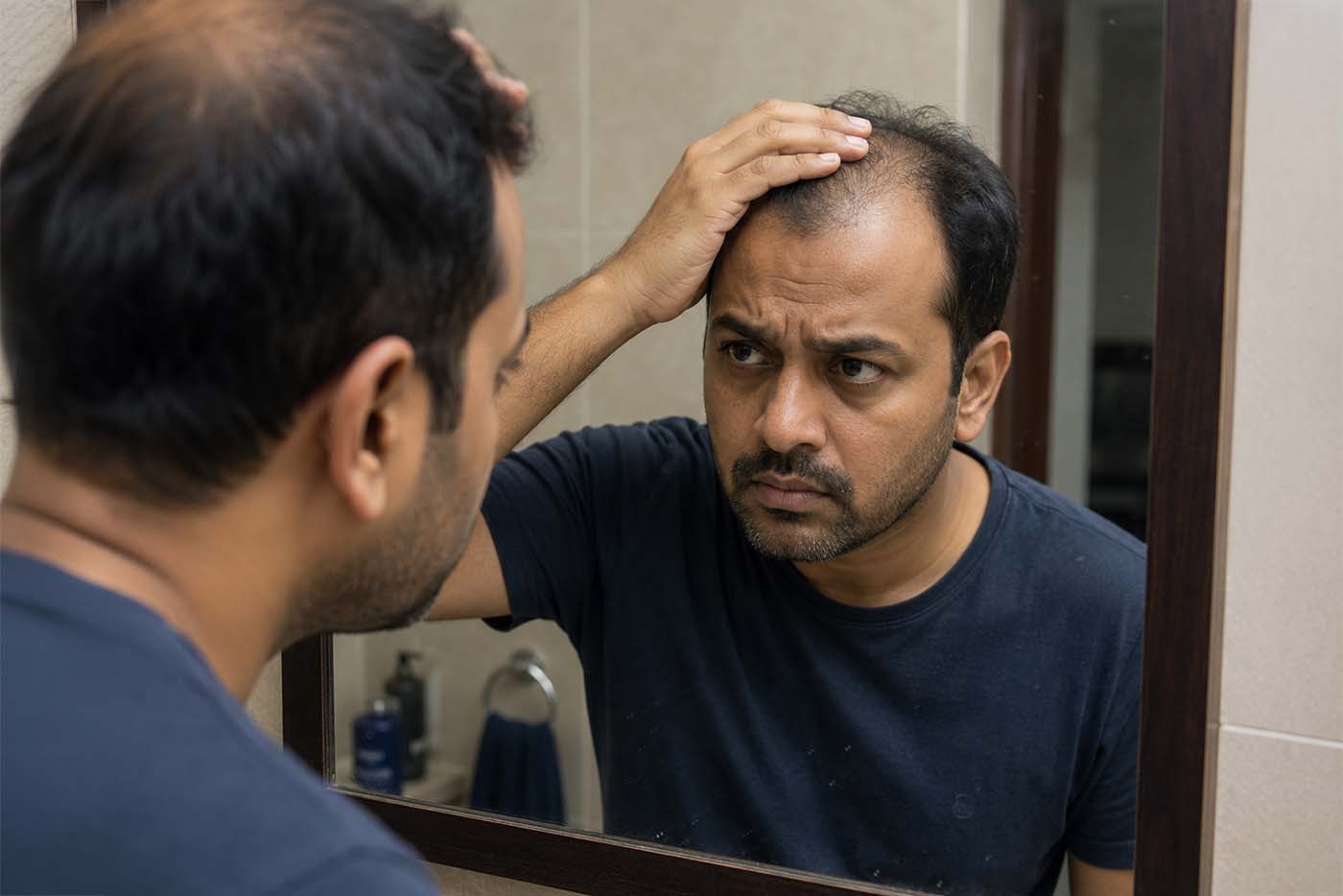
More people in India are walking into hair clinics today than ever before. Dermatology waiting rooms are full, online consultations are booked weeks in advance, and the hair care industry — once dominated by oil brands and home remedies — is shifting toward clinical diagnosis and structured treatment. Something has clearly changed. The question worth asking is: what’s driving this shift, and what does it say about how Indians are now thinking about hair loss?
Why Hair Loss Is No Longer Being Ignored
For a long time, hair loss was treated as something you simply accepted. You’d notice more hair on your pillow, your mother would suggest a new oil, and life would go on. But that attitude has changed significantly, especially among people under 40.
Awareness is a big part of this. Social media, health content, and access to medical information online have helped people understand that hair loss is often a symptom — not just an unfortunate trait. When someone learns that their thinning hair might be connected to a thyroid issue, iron deficiency, or chronic stress, they’re far more likely to seek professional help than to switch shampoos.
The stigma around hair treatment has also reduced. Men are openly discussing hair thinning. Women are talking about postpartum hair fall and hormonal imbalance without embarrassment. This cultural shift has made clinics more approachable than they used to be.
What’s Actually Causing the Surge in Clinic Visits
The increase in demand isn’t just about awareness. Several real factors are contributing to more people experiencing hair problems in the first place.
– Chronic stress from demanding work environments and disrupted sleep patterns has made telogen effluvium — a form of stress-related hair shedding — increasingly common
– Nutritional deficiencies, particularly iron, vitamin D, and B12, are widespread across urban India, even among people who appear to eat well
– Hormonal conditions like PCOS are affecting a growing number of women in their 20s and 30s, and hair thinning is often one of the first visible signs
– Pollution in major cities has been linked to scalp inflammation and follicle damage, a less-discussed but real cause of hair loss
– Post-COVID hair fall brought a significant wave of new patients to clinics, many of whom had never dealt with hair loss before
These aren’t surface-level problems. They reflect genuine health shifts, and they explain why the demand for clinical intervention has climbed so sharply.

What Hair Clinics in India Are Actually Offering
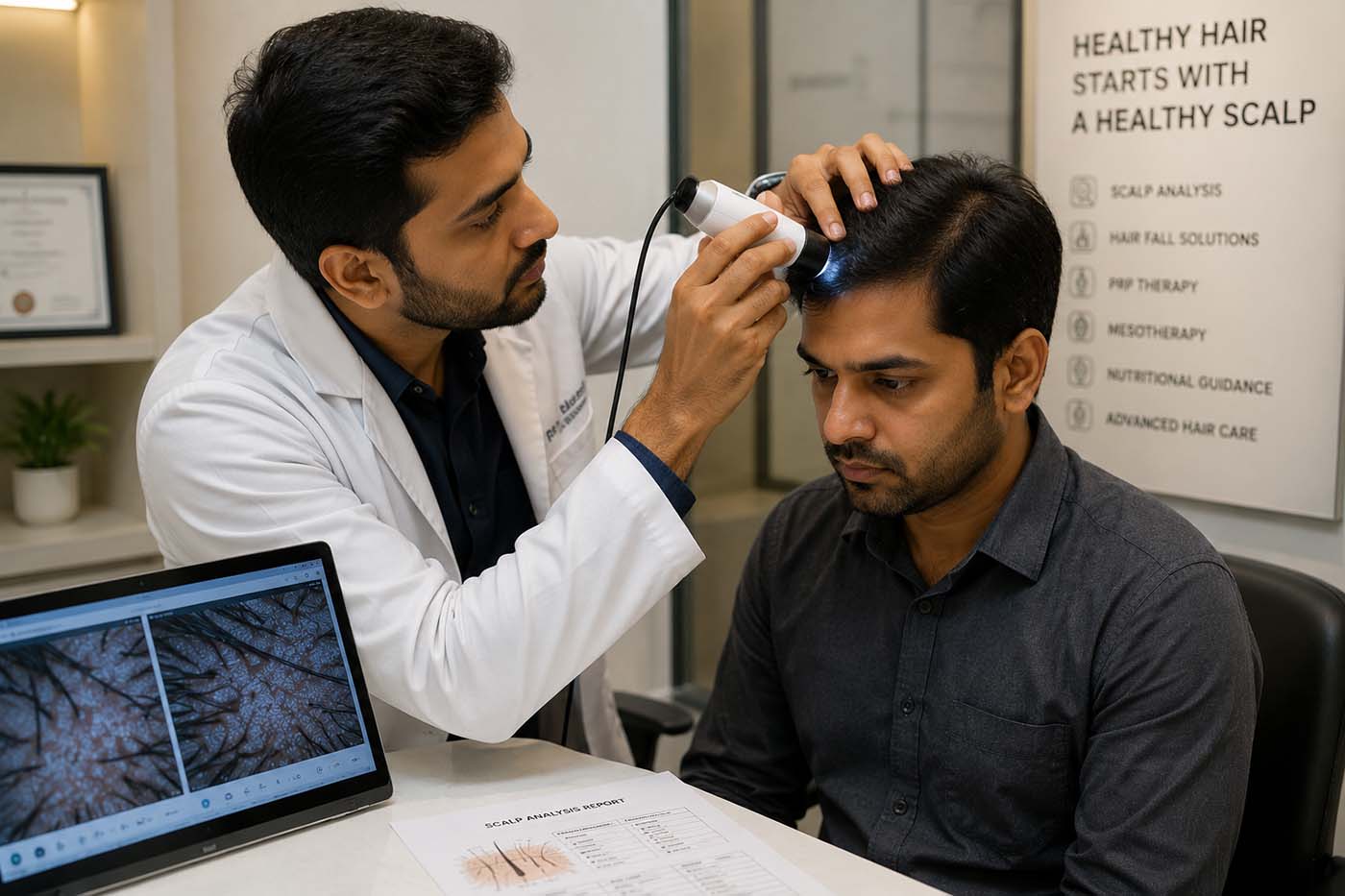
Modern hair clinics have moved well beyond just prescribing minoxidil or recommending PRP sessions. The better ones now take a far more comprehensive approach. Blood tests are used to identify deficiencies and hormonal imbalances. Scalp analysis tools help assess follicle health in real time. Dermatologists and trichologists are working alongside nutritionists to understand what’s happening internally, not just at the scalp surface.
This shift toward root-cause diagnosis is what’s making clinics feel more credible and worth visiting. People aren’t just paying for a procedure — they’re paying for an explanation. And that’s a meaningful distinction.
The Rise of Hybrid and Tech-Enabled Hair Care
A notable trend reshaping this space is the rise of treatment models that blend clinical expertise with at-home care. Physical clinics are expanding into smaller cities, and diagnostic services are now reaching areas that previously lacked access to specialized hair care. For those exploring options, services like the Traya clinics in Nagpur reflect this broader shift—bringing structured, diagnosis-led hair care beyond metro cities.
Technology is also playing a role. AI-based scalp assessments, teleconsultations with trichologists, and app-based treatment tracking have made it easier for people to stay consistent with their treatment plans, which has historically been one of the biggest challenges in managing hair loss.
Why Root-Cause Thinking Is the Real Shift
The most meaningful change in how Indians are approaching hair loss isn’t just that more people are visiting clinics. It’s that more people are asking why it’s happening, not just what to do about it. That distinction matters enormously. Treating a symptom without understanding the cause often leads to temporary results — hair might regrow for a few months, only to start falling again once treatment stops.
Final Thoughts
The increasing demand for hair clinics in India points to something deeper than vanity or trend-chasing. It reflects a broader shift in health awareness — one where people are unwilling to accept hair loss as inevitable and are actively looking for real answers. The clinics that are growing are the ones taking this seriously, offering diagnosis before prescription, and treating hair loss as the health issue it genuinely is.