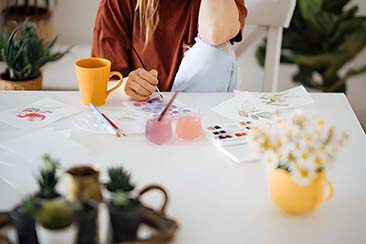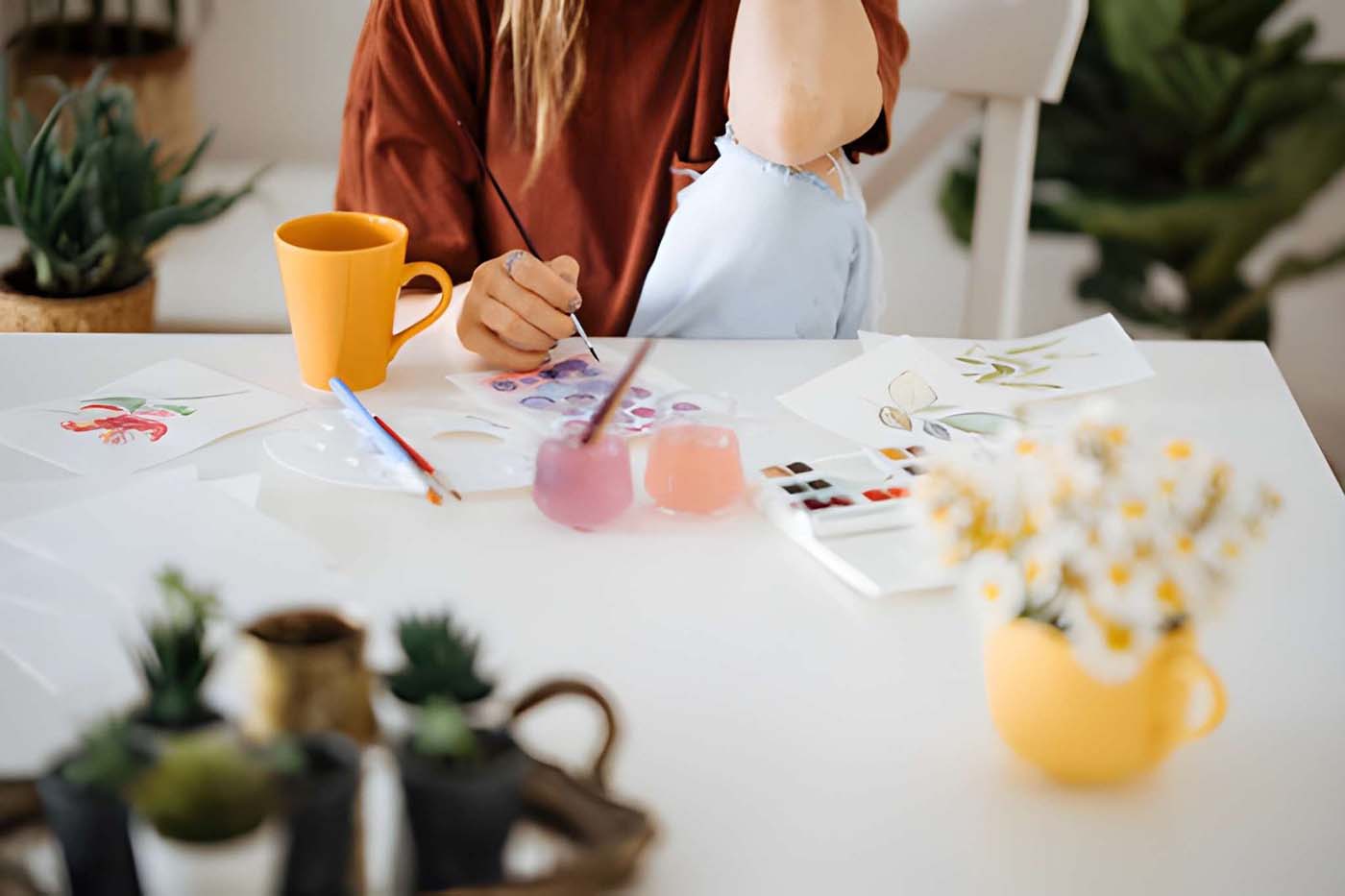
There is something about watching pigment bleed into wet paper that slows everything down. The color moves on its own terms, pooling where it wants, feathering at the edges in ways you could never fully predict. For a few minutes, nothing else exists. Not the inbox, not the noise, not the long list of things that should have been done yesterday. Just water, color, and the quiet satisfaction of making something with your hands.
Watercolor painting has been around for centuries, but it is having a genuine moment right now, and not just among fine artists or gallery circles. Across coffee shops, park benches, and kitchen tables, a growing number of people are picking up a brush for the first time since childhood. They are not chasing perfection. They are chasing presence.
A return to slower making
We live in an age of relentless digital consumption. Scrolling has become second nature, and most of us spend our days staring at screens that demand constant attention. The appeal of watercolor, for many, is that it asks you to do the opposite. It requires you to slow down, to watch, to wait for a wash to dry before adding the next layer. There is no undo button, no filter, no algorithm deciding what you see next.
This is not a trend driven by nostalgia alone. Research published in the Journal of Positive Psychology found that engaging in small creative activities, even briefly, can increase positive emotions and reduce stress. Painting and sketching activate parts of the brain associated with reward and relaxation. Picking up a brush is one of the simpler ways to pull attention back inward.
Watercolor is also more forgiving than it looks. Unlike oil or acrylic, it thrives on imperfection. A brushstroke that wanders too far becomes a happy accident. Colors that blend unexpectedly create textures you never planned but somehow love. For beginners, that is liberating. You do not need years of training to produce something beautiful. You just need ten minutes and a willingness to let go of control.
The tools have changed, and that matters
Part of what kept watercolor painting out of reach for casual creatives was the setup. Traditional kits meant tubes of paint, jars of water, separate palettes, and stacks of loose paper. Painting on the go was messy and impractical. That barrier is disappearing.
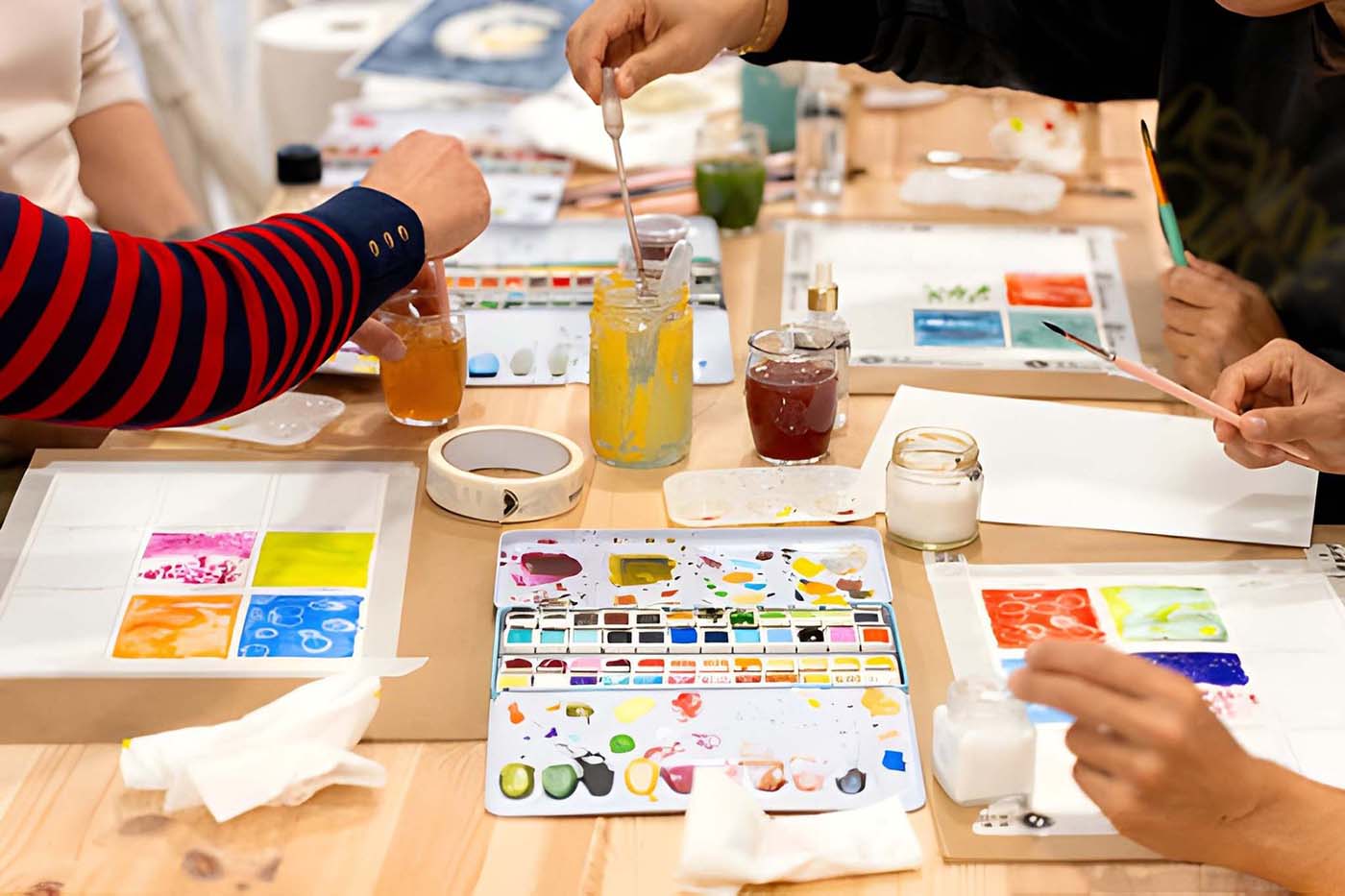
Compact, travel-friendly watercolor kits have made it possible to paint just about anywhere. Modern sets include professional-grade pigments, refillable water brushes that eliminate the need for cups, thick cotton paper that holds washes without buckling, and wooden palettes small enough to slip into a jacket pocket. Painting has become as portable as journaling.
That portability has brought in a much wider audience. You do not need a studio or an art degree. You do not need to spend an afternoon setting up and cleaning up. A few free minutes and a flat surface are enough. That simplicity is exactly why so many people who never considered themselves artistic are giving it a try.
Starting small, starting now
The biggest misconception about watercolor is that you need talent to begin. You do not. What you need is a starting point, and the easiest way to find one is through guided projects that walk you through each step.
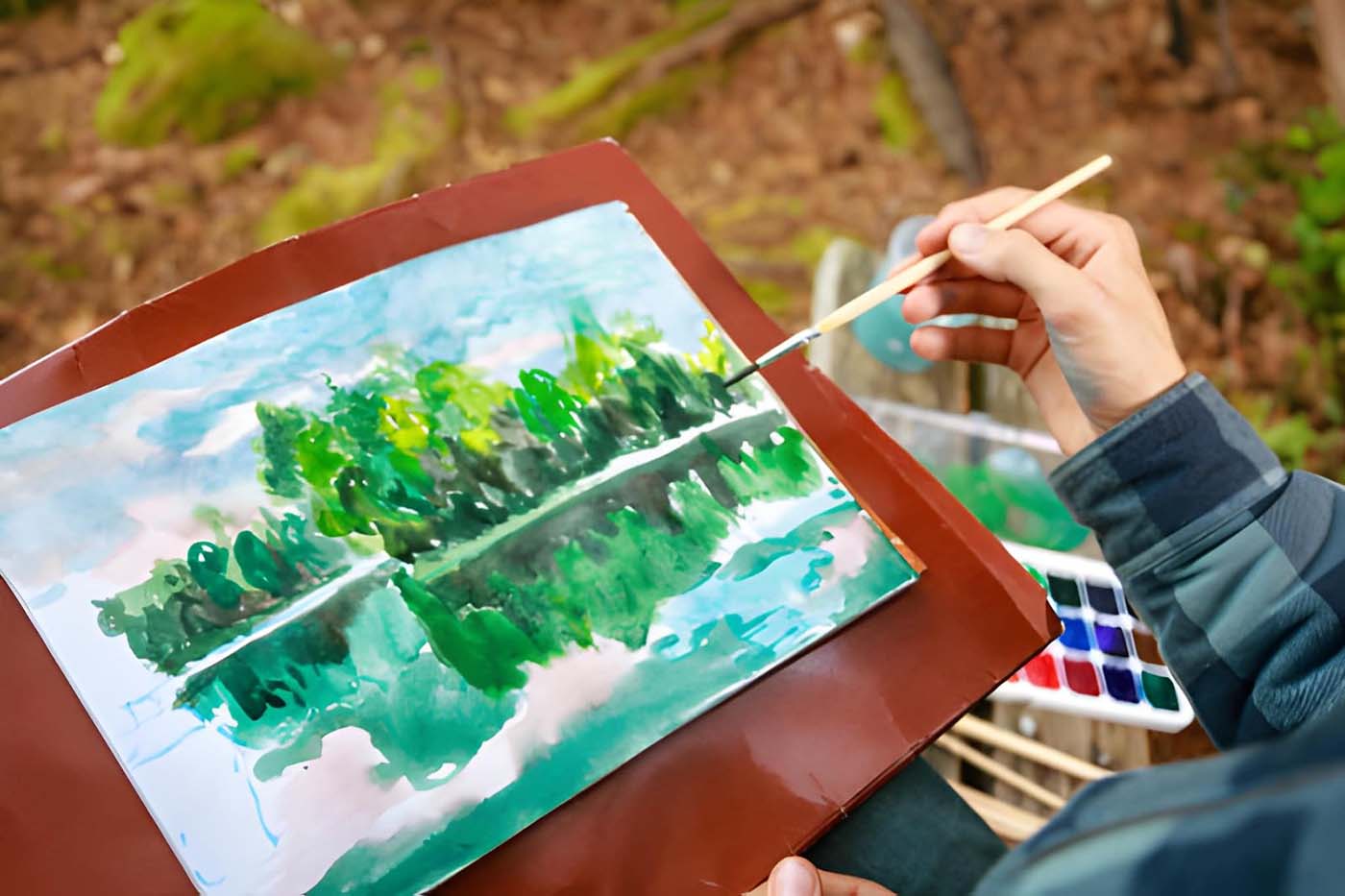
There are now dozens of free watercolor tutorials available online covering simple sunset landscapes, loose floral compositions, and seasonal subjects. These step-by-step guides are designed for absolute beginners, with clear instructions and minimal supply lists. They take the guesswork out of the process and replace it with a sense of gentle progress.
The key is to start with something small and low-pressure. A single leaf. A wash of sky. A circle of color that becomes a piece of fruit. These tiny projects build confidence without demanding hours of commitment, and they prove a point worth repeating: you do not need to create a masterpiece to feel the benefits of creative expression.
More than a hobby
What often surprises people who pick up watercolor for the first time is how quickly it becomes more than just a pastime. It becomes a ritual. A morning routine before the day takes over. A wind-down practice after dinner. A reason to sit in a park for an extra twenty minutes instead of reaching for the phone.
There is something about working with water-based pigment that other creative outlets do not quite replicate. The medium forces patience. You have to wait for layers to dry. You have to accept that the paint will do things you did not plan. In a culture obsessed with productivity and optimization, that kind of surrender feels almost radical.
Art therapists have long noted the calming effects of watercolor. The fluidity of the medium mirrors a kind of mental flexibility that eases rigid, anxious thinking. You learn to work with what happens rather than fighting against it. Over time, that tendency starts to carry over into the rest of your life.
Painting as a way of seeing
One of the quieter gifts of picking up a paintbrush is that it changes the way you look at the world. You start noticing how light falls across a building in the late afternoon. You pay attention to the exact color of a leaf as it turns from green to amber. You see shadows not as absence but as shapes with their own character.
This does not require years of practice. Anyone who spends a few sessions mixing colors and studying simple subjects will find that their eyes begin to sharpen. The world becomes more detailed, more worth paying attention to. And in an era when so much of life passes through a screen, that shift in how you see things is worth more than any finished painting.
Watercolor does not ask much of you. A few minutes, a little water, some pigment, and a willingness to be surprised. What it gives back tends to outweigh what it costs: a bit of calm, some focus, and the pleasure of making something with your hands.