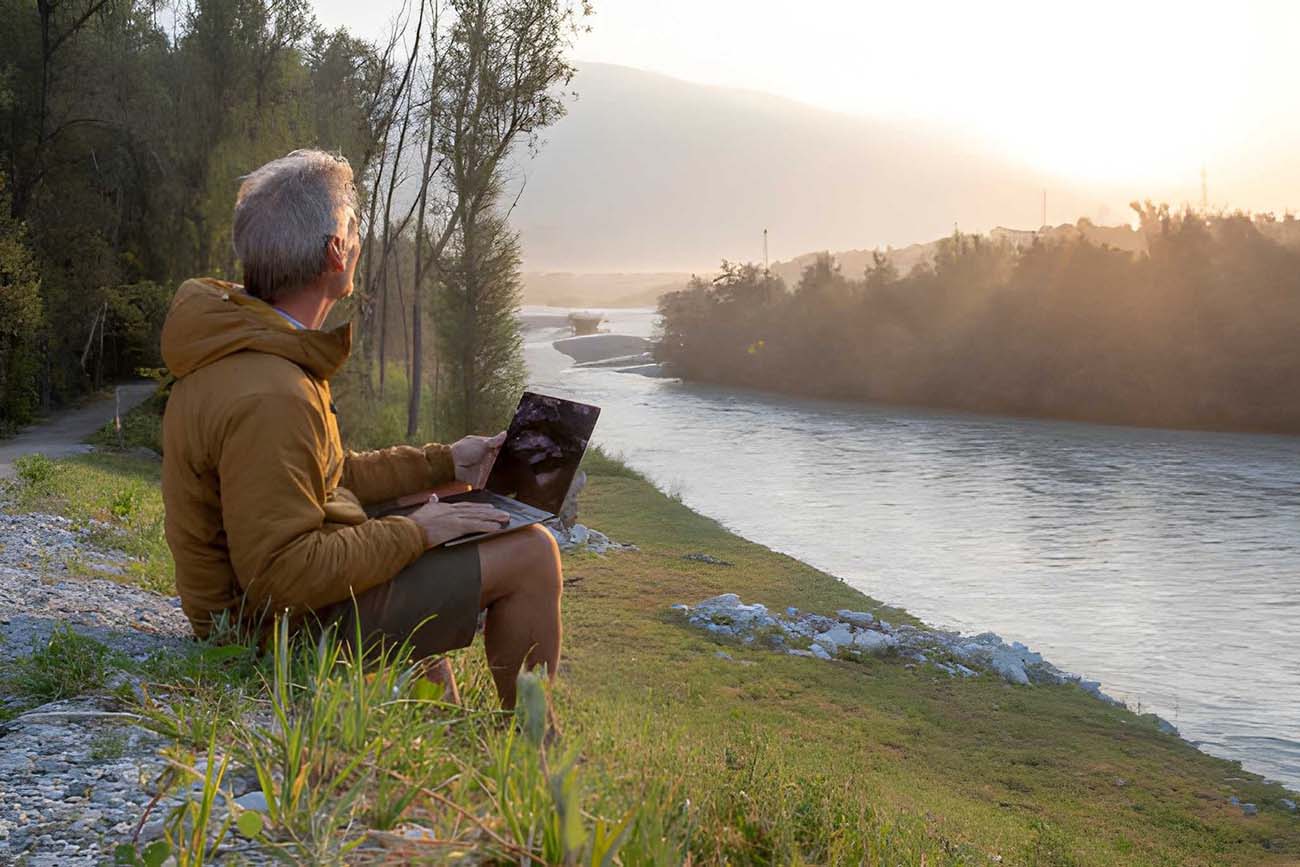
In a world where most people chase city jobs, working in a remote or rural area might not sound like the obvious career move. But more professionals, especially in healthcare, education, and public service, are discovering that serving in remote locations can be deeply rewarding.
1. Making a Tangible Impact on Underserved Communities
One of the most fulfilling aspects of working in remote areas is seeing your impact firsthand. Many rural communities face shortages of skilled professionals, particularly in healthcare and education. By bringing your expertise to these regions, you’re improving access to essential services.
2. Building Meaningful Relationships
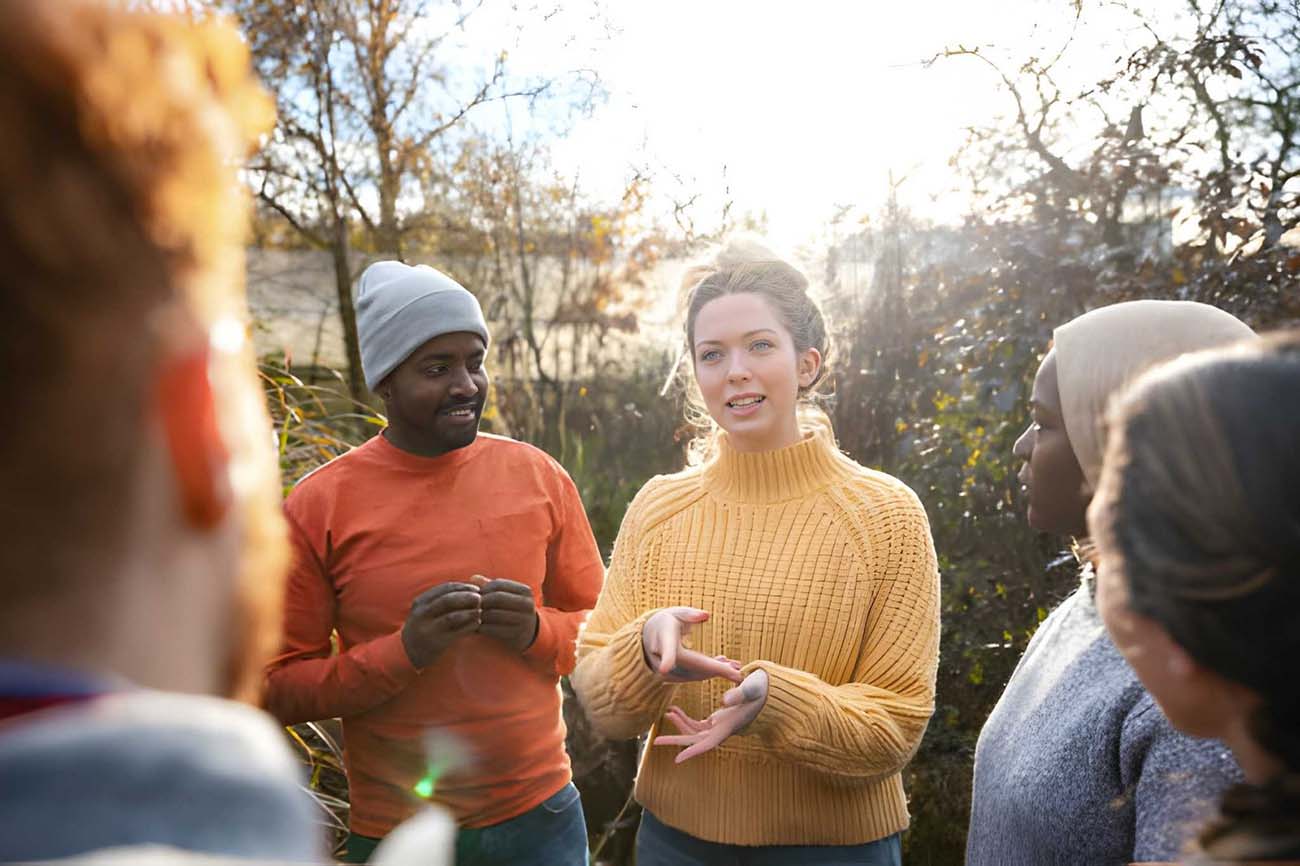
Working in a remote location often comes with a slower pace and a stronger sense of connection. Unlike large urban settings, smaller communities value relationships and trust deeply.
Professionals often report closer bonds with colleagues, patients, and residents. You’re not just “the nurse” or “the teacher,” you’re someone the community depends on and appreciates. This human connection can reignite your sense of purpose because you’re supporting friends and neighbors.
3. Developing a Wide Range of Skills
In remote roles, you often wear multiple hats. A nurse practitioner in a small rural clinic might handle everything from pediatrics to emergency care. This diversity sharpens judgment and broadens expertise. Teachers may instruct multiple subjects, and engineers or IT professionals may take on leadership roles earlier. This versatility strengthens your skill set and makes you more employable later.
4. Enjoying a Better Work-Life Balance
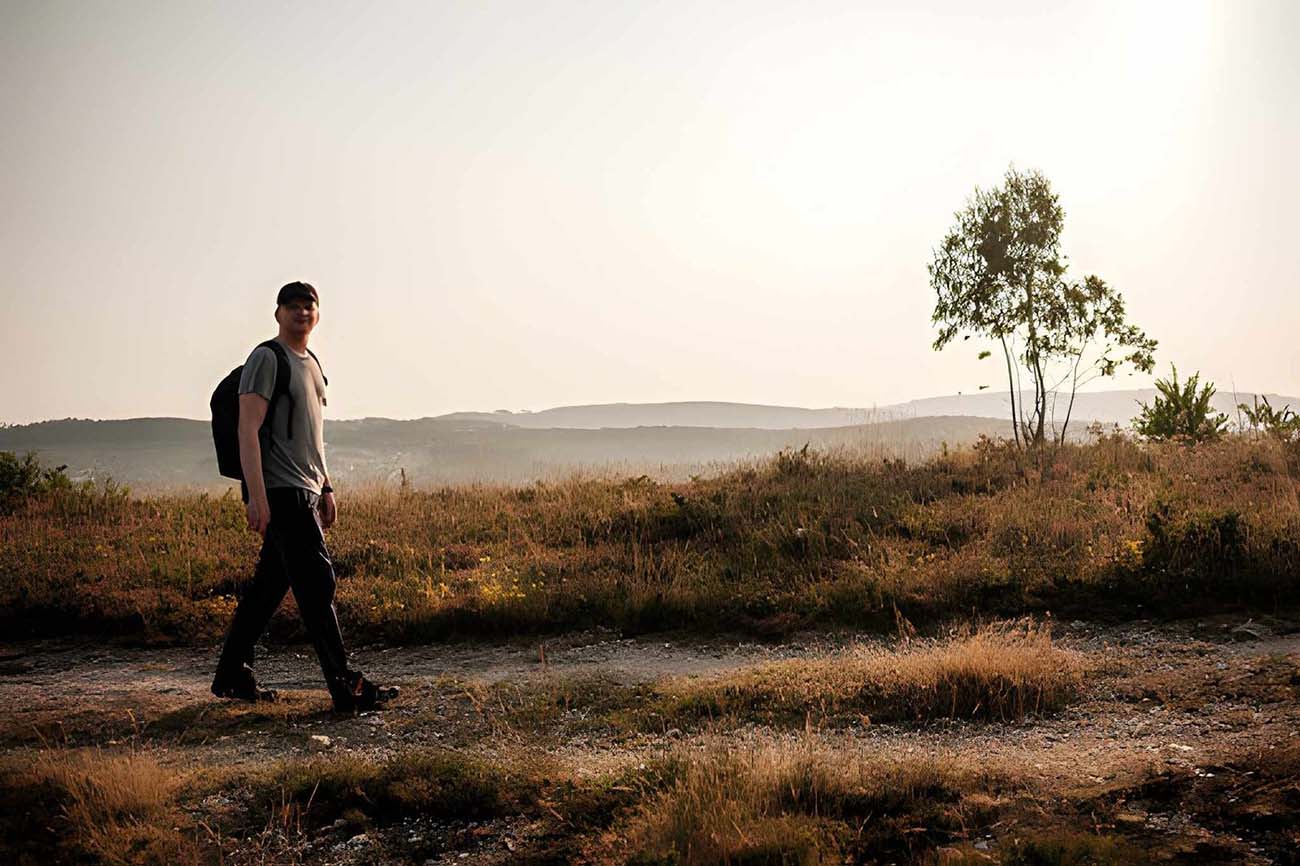
Remote locations offer a quieter lifestyle that’s hard to find in cities. Shorter commutes, cleaner air, and access to nature can do wonders for your health. Instead of spending hours stuck in traffic, you might be hiking or enjoying community gatherings. Many professionals in rural areas report higher satisfaction and lower burnout levels.
5. Advancing Your Career in Unique Ways
Smaller organizations often mean professionals gain leadership experience earlier. For healthcare providers, this can include managing teams, developing community outreach programs, or leading telehealth initiatives. Continuing education is more accessible through flexible online post master’s certificate nurse practitioner programs, allowing medical professionals to advance their credentials while serving their communities.
6. Becoming Part of Something Bigger
When you work in a remote area, you’re not just doing a job, you’re contributing to a community’s long-term well-being. Your work fosters stability and inspires others to stay or return home. Local students may see you as a role model, proving meaningful careers exist in their hometowns.
Working in remote locations isn’t just a professional detour. It’s an opportunity for growth, contribution, and connection. You gain valuable experience, enhance your skill set, and serve people who genuinely need your expertise.