Awards and recognition play a vital role in motivating individuals and celebrating achievements across industries in the United States. From corporate milestones to sports victories, trophies symbolize excellence and dedication in a tangible form. Among the many options available today, glass and metal trophies stand out as two of the most popular choices for modern award designs.
Choosing between glass and metal trophies requires a clear understanding of their unique characteristics, aesthetic appeal, and practical uses, and many organizations explore options like Trophies by Edco to compare styles. Each material brings its own strengths, influencing how the award is perceived and preserved over time. This article explores the key differences to help you make an informed decision for your next recognition event.

Aesthetic Appeal and Visual Impact
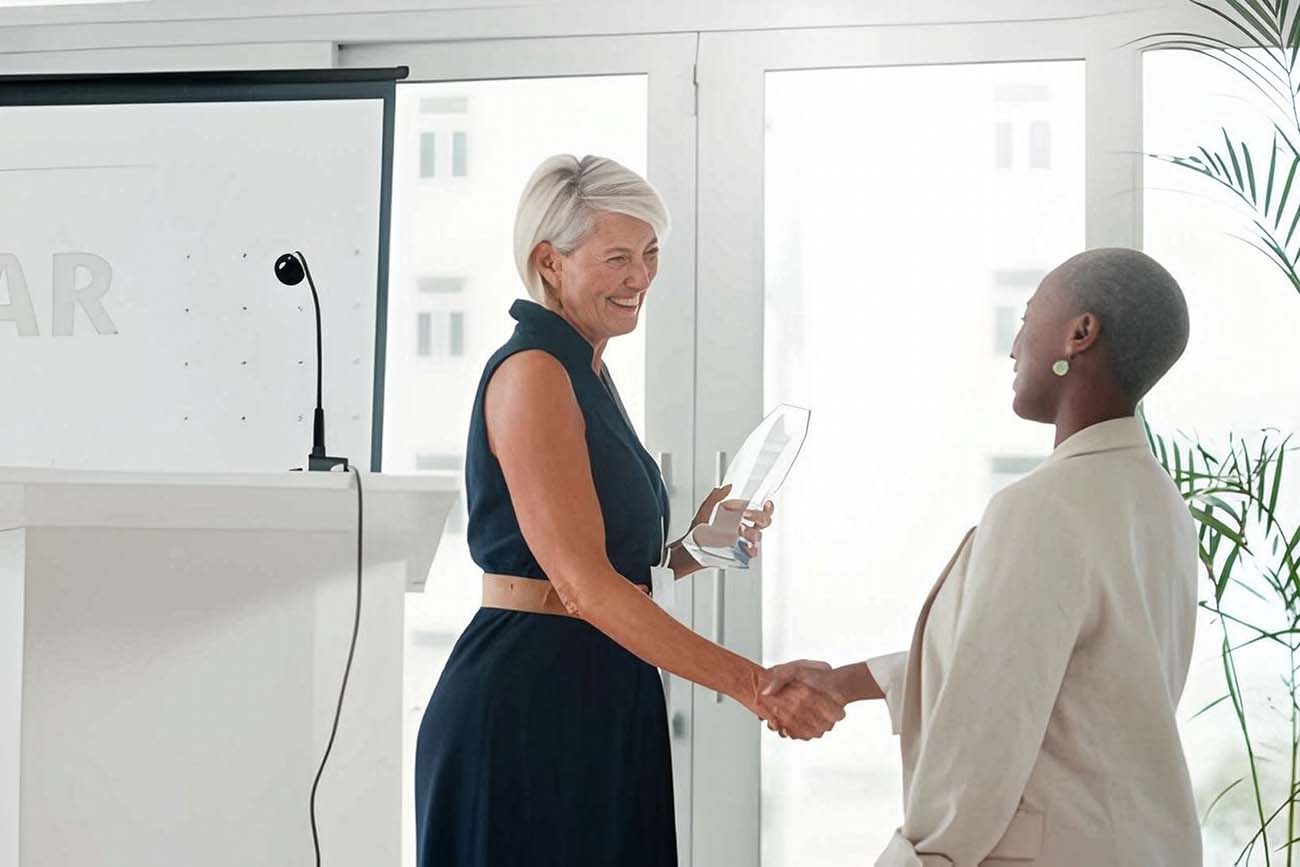
Glass trophies are often admired for their elegant and contemporary appearance, and collections such as Trophies by Edco highlight how modern designs can elevate recognition programs. Their transparent or frosted finishes reflect light beautifully, creating a sophisticated and refined look. This visual clarity allows for creative designs such as etching, engraving, or embedded colors that enhance the award’s presentation.
Metal trophies, on the other hand, convey strength, prestige, and durability through their bold and solid structure. They often feature polished, brushed, or antique finishes in materials like gold, silver, or bronze tones. This gives them a classic and timeless appeal, particularly suited for traditional ceremonies and competitive events.
Durability and Longevity
When it comes to durability, metal trophies generally have the upper hand due to their robust construction. They are resistant to cracking or chipping and can withstand handling over long periods without losing their structural integrity. This makes them ideal for environments where the trophy may be frequently moved or displayed in high-traffic areas.
Glass trophies, while visually appealing, are more fragile and require careful handling to prevent damage. High-quality tempered glass can improve durability, but it is still more susceptible to breakage compared to metal. However, with proper care and display, glass trophies can maintain their pristine look for many years.
Customization and Design Flexibility
Glass trophies offer extensive customization options, allowing for intricate designs and detailed engravings. Techniques such as laser etching and UV printing enable precise personalization, making each award unique. This flexibility makes glass trophies particularly popular for corporate branding and customized recognition programs.
Metal trophies also provide customization opportunities, though they may be slightly more limited in terms of intricate detailing. Engraving on metal surfaces creates a bold and lasting impression, often emphasizing text and logos with clarity. Additionally, metal awards can incorporate mixed materials, such as wood or crystal bases, to enhance their overall design.

Cost Considerations
Cost is an important factor when selecting between glass and metal trophies, especially for large-scale events. Glass trophies can range from affordable to premium, depending on the quality of the material and the complexity of the design. Bulk orders and simpler designs can help keep costs manageable without compromising on elegance.
Metal trophies vary widely in price based on the type of metal used and the level of craftsmanship involved. Solid metal awards tend to be more expensive, while plated options offer a cost-effective alternative. Organizations often balance budget constraints with the desired level of prestige when making their selection.
Suitability for Different Occasions
Glass trophies are commonly chosen for corporate events, employee recognition programs, and academic achievements. Their sleek and modern design aligns well with professional settings and contemporary award ceremonies. They also work well for commemorative awards where personalization is a key factor.
Metal trophies are frequently associated with sports competitions, traditional ceremonies, and high-prestige awards. Their sturdy build and classic look make them ideal for events that emphasize competition and legacy. They are also a popular choice for awards that are passed down or displayed prominently over time.
Maintenance and Care
Maintaining glass trophies requires regular cleaning to preserve their clarity and shine. Fingerprints, dust, and smudges can be easily visible on glass surfaces, so gentle cleaning with a soft cloth is recommended. Proper storage and careful handling are essential to prevent accidental damage.
Metal trophies are generally easier to maintain, though they may require occasional polishing to retain their luster. Over time, some metals can tarnish or lose their shine, especially if exposed to moisture or air. Using appropriate cleaning products can help extend the life and
appearance of metal awards.
Environmental Considerations
Sustainability is becoming an increasingly important factor in award selection across the United States. Glass trophies are often considered more environmentally friendly, as glass is recyclable and can be repurposed without significant loss of quality. This makes them an attractive option for organizations aiming to reduce their environmental impact.
Metal trophies can also be sustainable, particularly when made from recycled materials or designed for long-term use. However, the extraction and processing of metals can have a higher environmental footprint compared to glass. Choosing responsibly sourced materials can help mitigate these concerns.
Final Key Takeaways
– Glass trophies provide a modern, elegant look with high customization potential.
– Metal trophies offer durability, strength, and a classic, prestigious appearance.
– Glass is ideal for corporate and personalized awards, while metal suits traditional and competitive events.
– Cost varies based on design complexity, material quality, and production methods.
– Maintenance differs, with glass requiring careful handling and metal needing occasional polishing.
– Environmental impact should be considered, with both materials offering sustainable options when sourced responsibly.