
Joint pain from arthritis can make even simple movements feel like a challenge. Many people face a tough choice between using a cream that targets pain at the surface or taking a pill that works throughout the body. Each method provides benefits, but the right choice depends on the type of pain and personal health needs.
Topical arthritis creams often relieve pain in smaller joints, while oral painkillers may help deeper or more widespread pain. Creams deliver medicine directly through the skin, which can reduce side effects. Pills work inside the body and may provide stronger relief, but can also increase the risk of stomach, heart, or liver problems.
This guide explains how both options work, what to expect from each, and how to choose the safest and most effective way to manage arthritis pain. It helps clarify which treatment may better protect joint comfort and overall health.
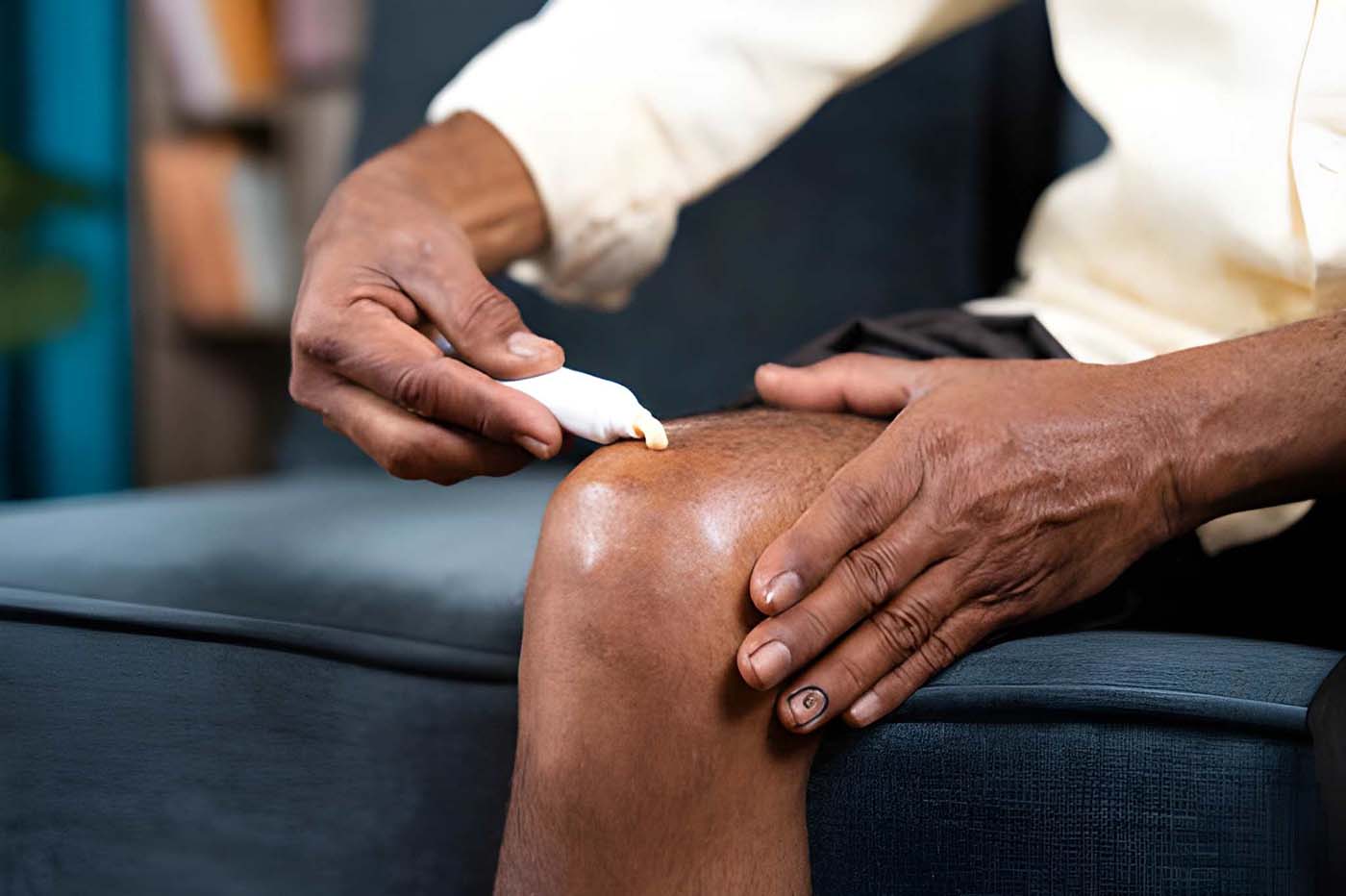
Comparing Arthritis Cream and Oral Painkillers for Joint Pain
Joint pain relief can come from different treatment types. Some methods ease pain directly at the source, while others affect the entire body. The main difference lies in how each method acts, how long it lasts, and which ingredients bring results.
Mechanisms of Action in Arthritis Relief
Topical creams and oral painkillers work in separate ways. Creams act locally. They absorb through the skin and reduce pain in a specific joint. Products like doctor-formulated arthritis cream use ingredients that calm inflammation near the joint surface without passing through the stomach or bloodstream.
Oral painkillers, such as nonsteroidal anti-inflammatory drugs (NSAIDs), work through the bloodstream. They block enzymes that produce swelling and pain throughout the body. This helps if several joints hurt, but the medicine can also affect the stomach or heart.
Topical creams often cause fewer body-wide side effects because less drug enters circulation. However, they may not reach deep tissues as effectively as pills. People with mild to moderate knee, hand, or elbow pain may do well with a topical product, while those with broader pain may need oral medication.
Efficacy for Osteoarthritis and Chronic Joint Pain
Osteoarthritis pain can respond well to both topical and oral anti-inflammatory drugs. Studies have shown that topical NSAID gels can match oral NSAIDs for knee pain relief. Many people prefer creams because they reduce discomfort without the stomach risks linked to pills.
Those with chronic or more severe pain often start with oral medications. Pills deliver consistent, full-body relief that helps with stiffness and swelling. Yet oral NSAIDs can raise the chance of ulcers, bleeding, or heart problems if used often or in high doses.
Topical creams, especially newer options that use multiple ingredients, may provide steady help for targeted zones. They work best alongside gentle exercise, healthy body weight, and stretching routines. In daily use, people often report faster comfort with creams for isolated joints, but steady long-term control with oral medicines.

Common Ingredients in Topical Creams and Oral Medications
Topical creams can contain ingredients such as:
– Menthol or camphor for a cooling effect that distracts from pain.
– Capsaicin, derived from chili peppers, numbs nerve endings after repeated use.
– Lidocaine for temporary numbing of sore tissue.
– Plant oils and natural extracts that may reduce inflammation.
A doctor-formulated cream might include natural agents along with gentle anti-inflammatories, designed to soothe joints without causing irritation.
Oral painkillers usually include:
– NSAIDs like ibuprofen, naproxen, or diclofenac target pain and swelling.
– Acetaminophen for milder pain relief, though it does not cut inflammation.
– Corticosteroids in pill or injection form for short-term relief under medical guidance.
Each type has different safety limits and potential side effects, so people should follow dosage instructions closely and consult a healthcare provider when combining treatments.
Duration of Pain Relief and Onset Time
Topical creams typically take effect within 5 to 30 minutes. Relief often lasts a few hours, depending on the ingredient strength and how deeply it reaches the joint. Regular use may increase benefits because some ingredients build up in the tissue over time.
Oral painkillers usually act within 30 to 60 minutes. They tend to last longer, with some lasting up to 12 hours. However, constant use can strain the liver, kidneys, or stomach lining.
Topical products are useful for short, repeated applications during the day. Pills are more useful for predictable dosing schedules or overnight comfort. Some individuals use both forms at different times for better control without increasing pill intake.
The right balance depends on pain level, tolerance, and how the body reacts to each method. Both approaches can fit into a complete joint health plan under medical advice.
Safety, Side Effects, and Choosing the Right Treatment
Both arthritis creams and oral painkillers reduce inflammation and ease joint pain, but they act in different ways and carry different risks. Topical NSAIDs provide targeted relief with fewer whole-body side effects, while oral options are more useful for widespread pain or flare-ups that affect multiple joints.
Gastrointestinal Side Effects and Systemic Risks
Oral NSAIDs such as ibuprofen, naproxen, and diclofenac lower pain and swelling but can irritate the stomach. Long-term or frequent use may lead to gastrointestinal side effects like ulcers, heartburn, bleeding, and nausea. These drugs also move through the bloodstream, which can raise the risk of kidney strain and heart-related issues in some people.
Topical NSAIDs, such as Voltaren gel, limit this risk because less of the active ingredient enters the bloodstream. Studies show that topical forms provide similar pain relief for conditions like chronic arthritis pain while reducing the chance of stomach or cardiovascular problems.
People with existing digestive issues or those who take blood thinners often tolerate topical creams better. However, users should still follow dosage guidelines, as excessive use can cause systemic effects over time.

Local Skin Reactions and Application Issues
Topical NSAIDs act directly on the affected joint but may cause local skin reactions. Redness, itching, peeling, or mild rashes can appear, especially on sensitive skin or after frequent use. These reactions usually fade once treatment stops.
Some users may notice that certain creams leave residue or feel greasy. Applying the medication to clean, dry skin and waiting for it to absorb can prevent transfer to clothing. Avoid applying over cuts or broken skin, as this increases irritation risk.
In most cases, these reactions stay mild. However, if burning or swelling develops, the user should discontinue use and consult a medical professional. Unlike oral drugs, topical NSAIDs rarely cause internal side effects, which makes them a safer choice for localized symptoms.
Who Should Use Creams vs Oral Painkillers?
People with pain in one or two joints, such as the knees or hands, often respond well to topical NSAIDs. These products deliver targeted relief and help avoid unnecessary systemic exposure.
Those with more widespread pain or inflammation may need oral options like Advil, Motrin, or naproxen tablets. These medications reach multiple joints through the bloodstream and bring faster relief during acute flare-ups.
However, oral versions carry higher systemic risks, so older adults or people with stomach, kidney, or heart concerns should discuss alternatives with their healthcare provider. Using both forms at separate times can sometimes balance local and general pain control without exceeding safe doses.
Other Joint Pain Management Options
Medication is not the only approach to joint relief. Heat therapy can relax stiff muscles and improve mobility, while cold packs reduce swelling after activity. Regular walking supports joint flexibility and builds surrounding muscle strength, which lightens pressure on painful joints.
Some people also use supplements such as glucosamine to reduce discomfort over time. Although research results vary, many find that adding it to a broader pain management plan is useful.
A doctor can recommend combining topical or oral NSAIDs with physical therapy, light exercise, and supportive braces. This balanced approach treats both the causes and symptoms of arthritis without depending solely on medication.
Conclusion
Topical arthritis creams help ease joint pain at the surface. They work best on joints close to the skin, such as the hands or knees. People who cannot take oral painkillers may find this option safer for regular use.
Oral painkillers can relieve deeper or more widespread pain. However, they can also irritate the stomach or interact with other medicines. Doctors often suggest using the lowest effective dose for the shortest time possible.
Both forms of medicine aim to reduce pain and improve movement. The right choice depends on the person’s health, joint location, and comfort with side effects. Many people benefit from combining gentle exercise, weight control, and the treatment that suits them best.