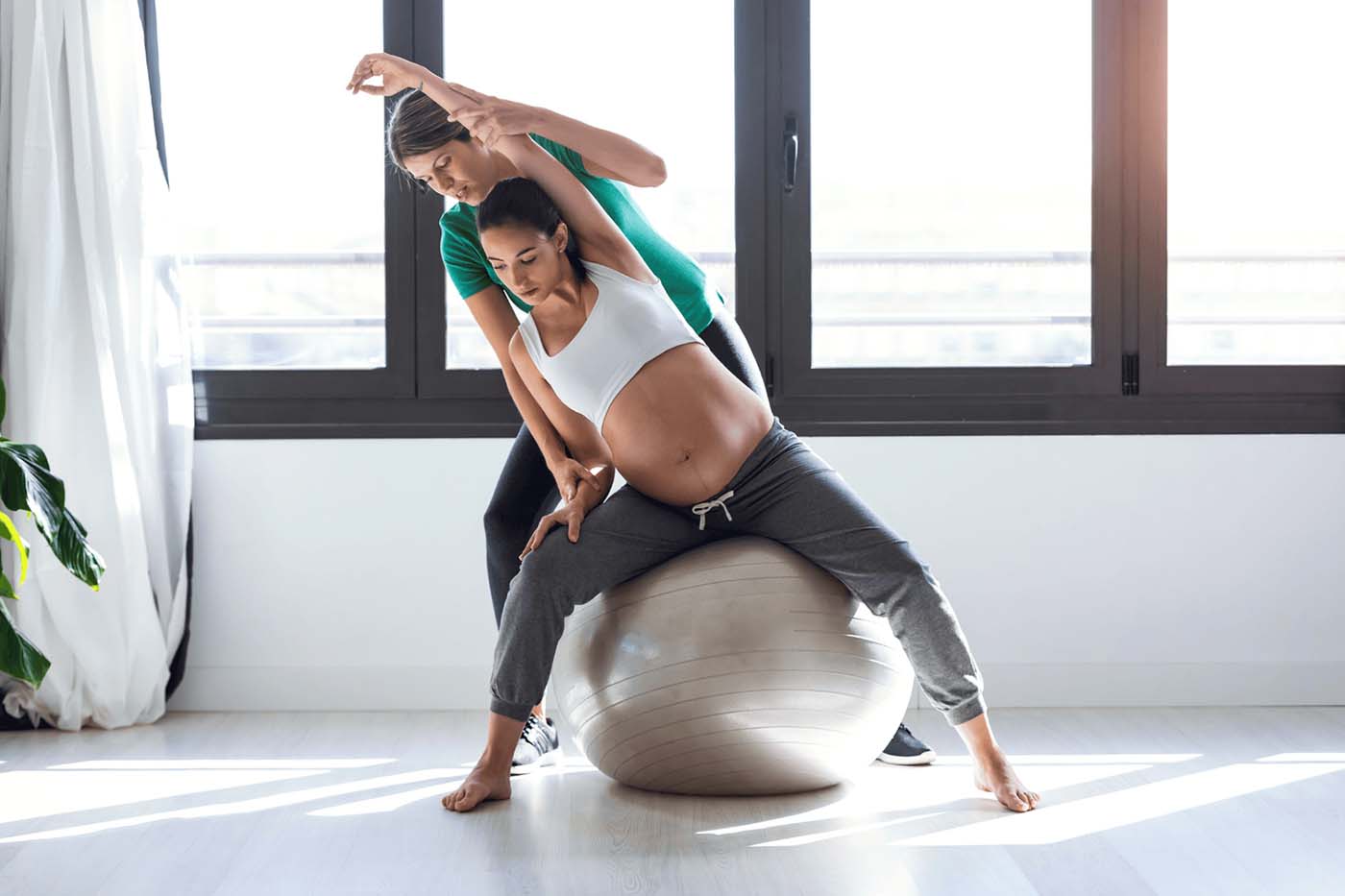
One of the most frequent questions that pregnant mothers ask themselves in their research of natural methods to remain comfortable, active, and ready for childbirth is how to use a pregnancy ball. During pregnancy, numerous physical transformations occur that may impact the posture, mobility, and overall comfort, and that is where a pregnancy ball (also known as a birthing ball) comes as a very useful item. It is able to alleviate back and hip pain, reinforce the strength of the pelvic floor, encourage optimal positioning of the baby, and enhance circulation.
In this guide, you will find out how to use a pregnancy ball safely during all trimesters, what exercises will be the most beneficial and how to make the most of it to prepare for labor, relieve pain and simply feel more comfortable every day.
How to Use a Pregnancy Ball Safely, Comfortably, and Effectively
The other most beneficial thing that an expectant mother can learn about pregnancy is how to use a pregnancy ball safely to relieve some pain, keep her body active, and be ready to have a baby. A pregnancy (or birthing) ball helps with your changing posture, takes pressure off of your hips and spine and trains your core and pelvic floor in a gentle but effective way.
The reason moms prefer the Momcozy BirthEase Maternity Exercise Ball Set is that the ball is made of BPA-free, anti-burst material, has a stable non-slip surface, and prenatal and labor-prep guidance one can follow in the Momcozy App, which is why it is an easy-to-use, beginner-friendly choice of daily pregnancy comfort.
How to Use a Pregnancy Ball Safely
The first consideration when using a pregnancy ball should always be safety. All it takes is the proper arrangement and positioning.
Choose the correct size.
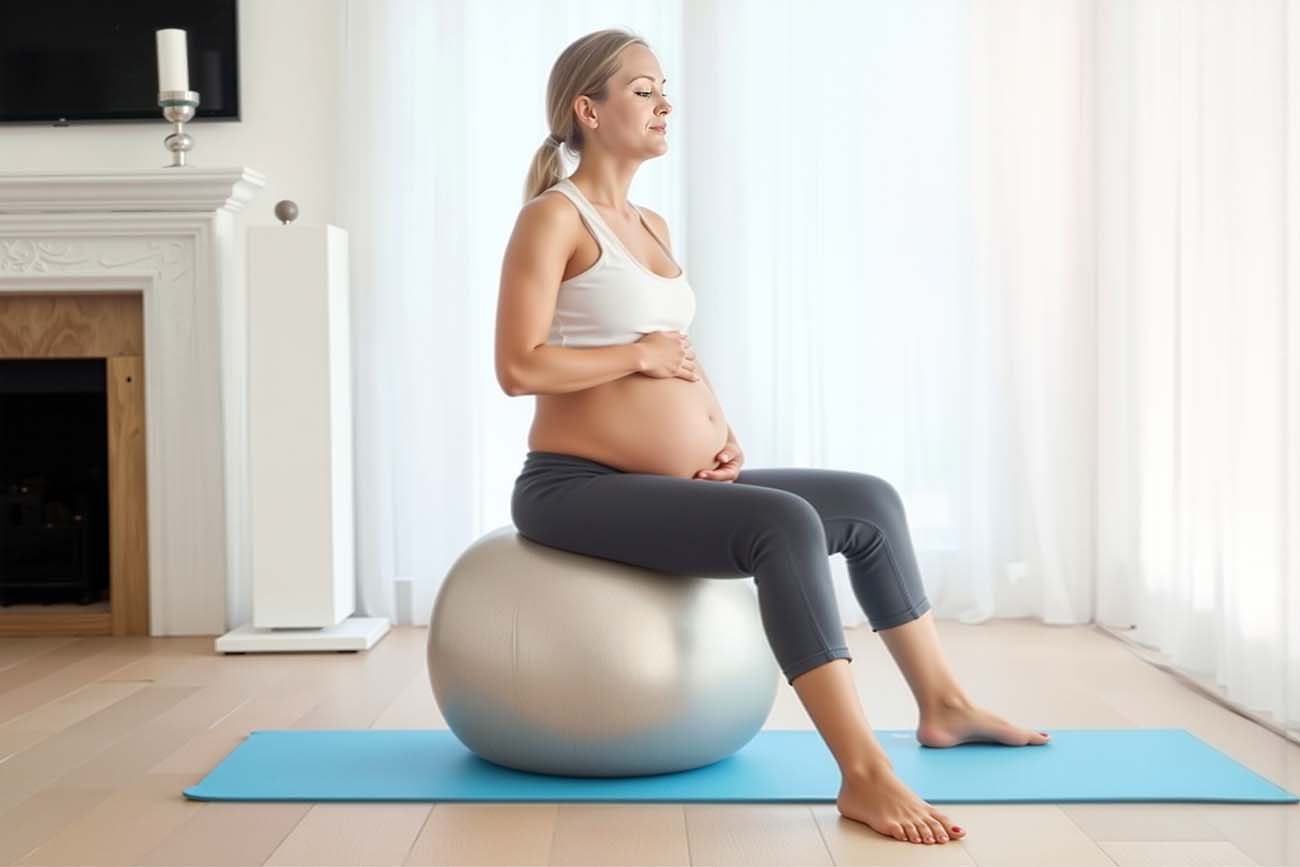
When sitting, you must have your knees at 90 degrees and must keep your feet flat on the floor. A ball that is not large enough can cause the strains of your knees, and one that is too big can affect your balance.
Sit tall with neutral posture.
Move your middle back in a light manner, have your shoulders loose, and your ears above your shoulders. Do not slouch or lean backwards.
Use non-slip surfaces.
Always put your ball on a non-slip mat or a carpeted surface so that it does not roll or slide.
Move slowly and mindfully.
Fast bouncing or jerky movements should be avoided, particularly in late pregnancy when balance changes more drastically.
Listen to your body.
In case of something that makes you dizzy, pain in the pelvis, or sharp pain, discontinue and rest.
When to Start Using a Pregnancy Ball
A majority of the women are able to start using a pregnancy ball as early as the first trimester, particularly to support posture and also to perform light movement. But the actual advantages are more evident in the second and third trimesters, where gestation gains more weight, hip expands and the back aches.
First Trimester:
Apply it primarily as an ergonomic chair substitute to promote an upright position and diminish premature back strain.
Second Trimester:
Begin the mild rocking, hip circles and seated bends to relieve pelvic pressure and enhance blood circulation.
Third Trimester:
It is at this point that pregnancy balls really come in handy: pregnancy balls assist with the positioning of the baby, relief of lower-back pain, and help with childbirth.
The patient must consult their medical professional in case of pregnancy complications like placenta previa, cervical, or balance issues.
Pregnancy Ball Exercises for Pain Relief
A pregnancy ball is an inexpensive, though effective, method of alleviating the normal pregnancy pains.
1. Seated Hip Circles
Stand on your heels and rotate your hips clockwise 10 rounds, then reverse.
Benefits: Loosens pelvic joints, lower-back tightness, and circulation.
2. Gentle Bouncing
Bounce a little, but in a slow, measured way, when you are seated.
Benefits: Encourages pelvic floor relaxation and eases pelvic pressure.
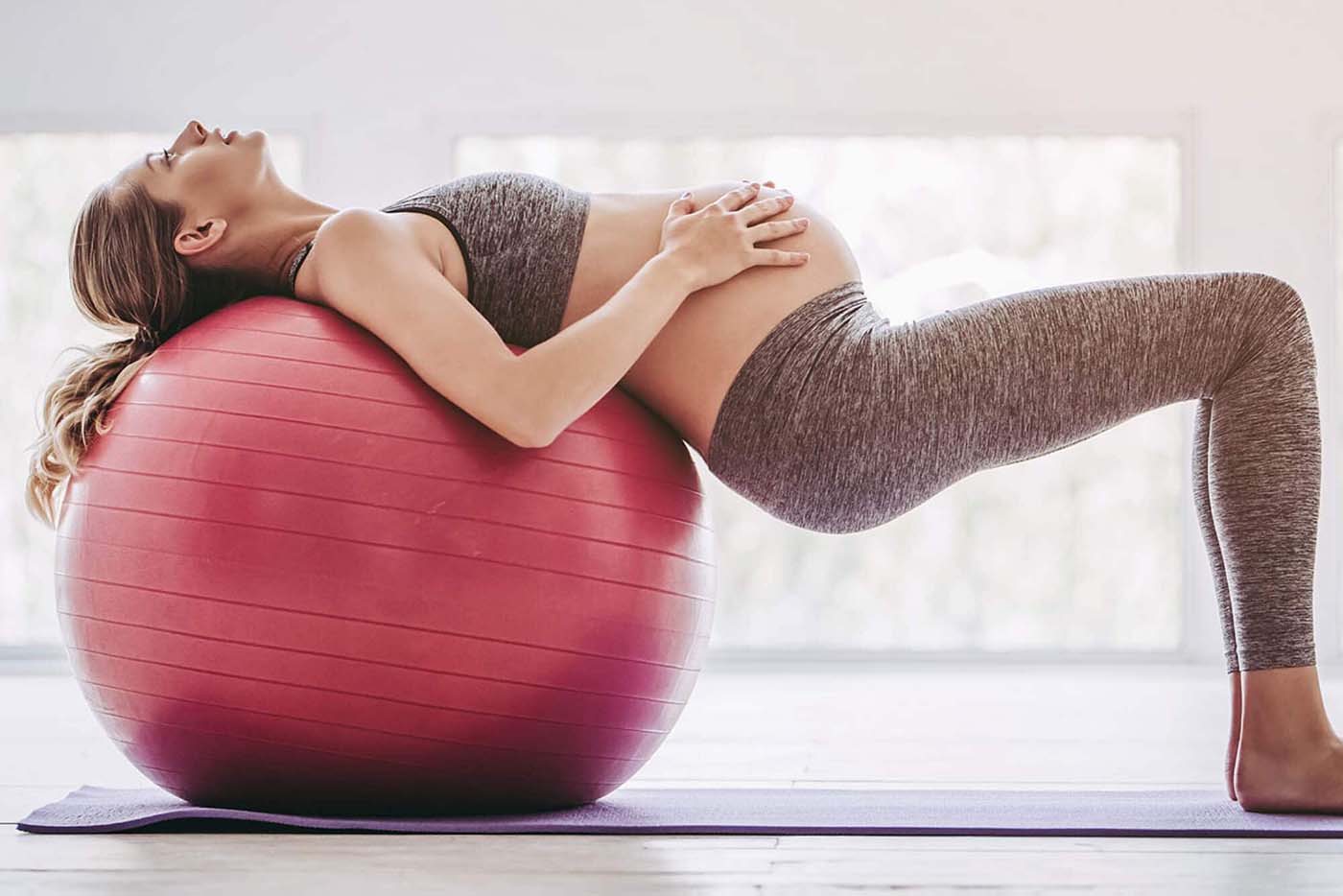
3. Forward Lean Stretch
Bend into a ball, placing your knee on a mat, and hugging the ball, breathing heavily.
Benefits: Relaxes the back, decreases the belly weight, soothes the nervous system.
4. Figure-Eight Movements
Gently move your hips in a figure-eight motion.
Benefits: Helps improve pelvic mobility and may encourage the baby into an optimal position.
5. Wall-Supported Squats
Between the wall and your back, place the ball in between and squat down slowly.
Benefits: Builds strength in the thighs and glutes and helps to open the pelvis.
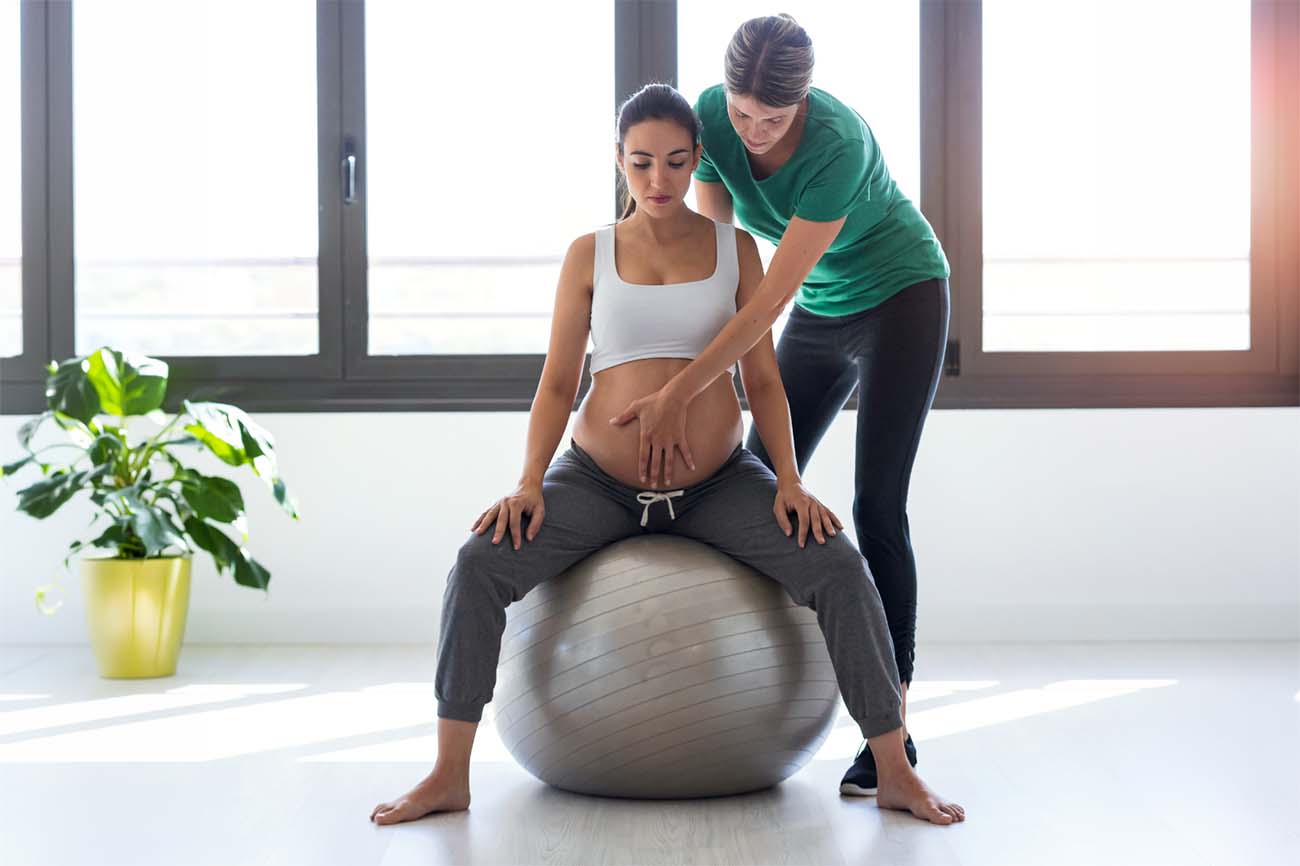
How to Use a Pregnancy Ball for Labor Prep
The use of pregnancy balls in the labor and delivery rooms is quite justified.
Encourages optimal baby positioning.
Sitting in an upright position, rocking, and bending forward on the ball may assist the baby to position themselves in the most appropriate birth posture.
Promotes pelvic opening.
Slight bouncing and hip circles increase the pelvic outlet, naturally stimulating dilation.
Provides natural pain relief.
Seating or leaning over the ball can relieve the spine, alleviate back labor pain, and improve circulation.
Supports active labor positions.
The ball will enable you to stand upright and move around, and this may reduce the labor time and make the contractions more manageable.
Practicing these movements during pregnancy trains your body and boosts confidence before labor begins.
Common Pregnancy Ball Mistakes to Avoid
These are some of the mistakes to avoid to ensure your experience is safe and useful:
— Incorrect ball size – results in bad posture and tension.
— Over-bouncing – predisposes to falling.
— Bending backwards rather than forward- bends down the pelvis.
— Not paying attention to the positioning of the posture leads to back and neck pain.
— Not using non-slip mats- adds to the risks of slipping
— Holding your breath during movement – reduces oxygen flow and relaxation
Being conscious will make sure that your pregnancy ball is a useful, rather than a stressful, aid.
Conclusion
Knowing how to use a pregnancy ball is a great contribution toward your comfort, freedom of movement and birth preparation. Easing lower-back pain, pelvic pressure, keeping you postured and baby in the most ideal positions, this simple tool provides gentle, natural support throughout each trimester.
You can use it as a chair replacement, a stretch aid, or a labor companion, and regular and intentional use can make you feel strong, much more relaxed, and more confident in childbirth. When you find the right pregnancy ball, it is not very long before it is more than an accessory; it is a companion to your pregnancy self-care routine.