
Being a carer is one of the most special things a person can do.
Some people with disabilities require extra help, whether it’s just help around the house or around-the-clock care; the people who care for people with disabilities or chronic illnesses have given their time to make someone else’s life easier. There are online doctoral programs in counseling that can help people care for those with intellectual disabilities, and courses in nursing that can help people qualify to care for those with physical disabilities.
However, it can often be difficult to know how to care for yourself when you’re a carer for someone else. Today, this article is dedicated to the people who give up so much to look after those who need it.
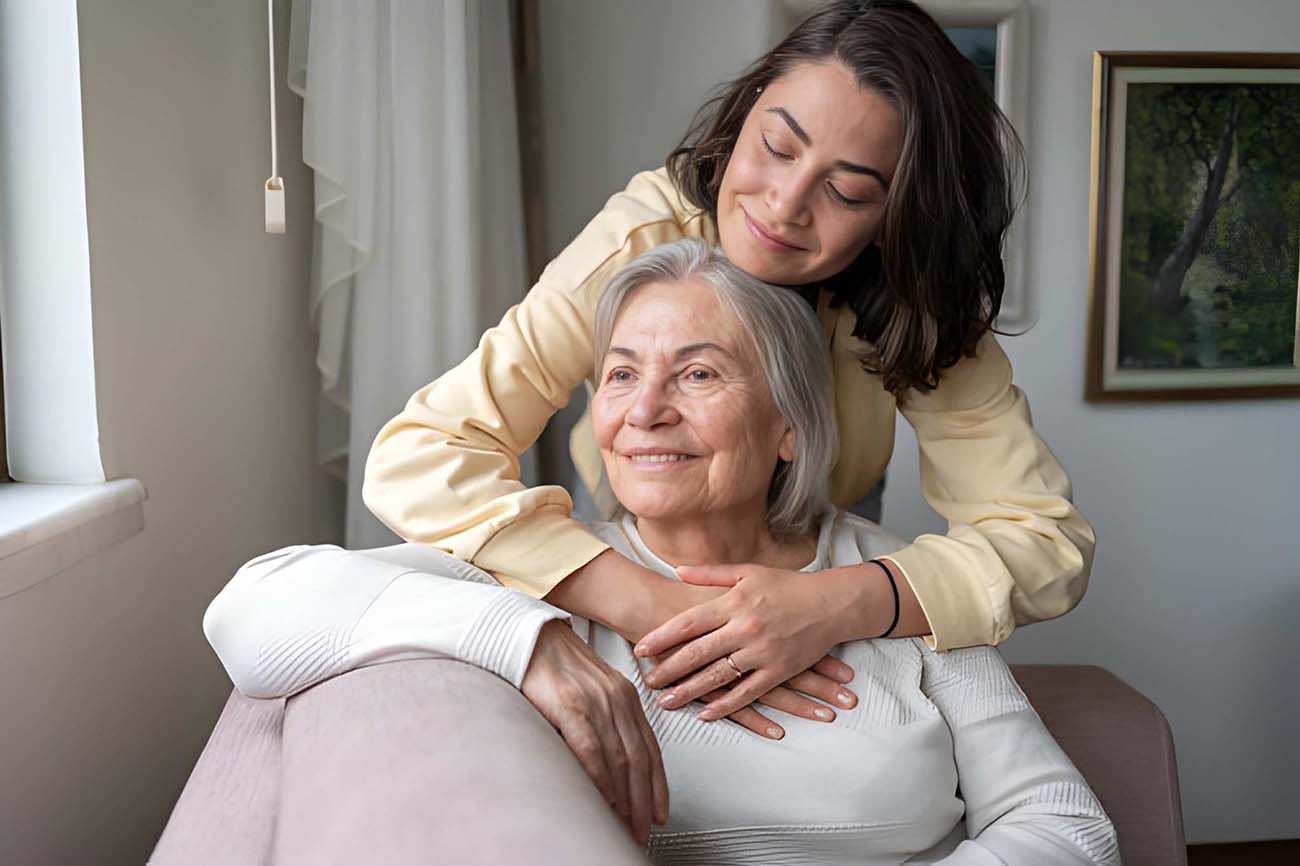
Recognising When You Need Care
Caring for people can range from being an as-needed position to 24/7 work. Although highly rewarding, the job is often intense and requires a lot of dedication from the people who do it. One of the most common problems faced by carers is called Caregiver Burnout. Roughly 38% (4 in 10) of caregivers suffer from caregiver burnout, making it a deeply prevalent issue among these most important workers.
But what exactly is caregiver burnout?
If you’re familiar with the term “burnout,” it is much the same thing. An excess of stress can lead to several psychological and physical symptoms, many of which can become quite distressing if left unchecked. These symptoms can often look like depression or anxiety, and include:
– Emotional and/or physical exhaustion.
– Social withdrawal or isolation.
– Loss of interest in activities one used to enjoy.
– Feeling of hopelessness.
– Change in eating habits, in extreme cases, this can result in excessive weight loss/gain.
– Disrupted or excessive sleep.
– Difficulty concentrating.
– Frequent illness.
– Shortness of temper, or an overall negative change in attitude.
While the examples provided mainly relate to caregiver burnout, it’s important to recognize that these symptoms are not exclusive to this condition. They may also be indicative of other health issues or mental health conditions. When evaluating these symptoms, it’s crucial to ask yourself whether you experienced them prior to taking on your caregiving responsibilities or if their onset coincided with your caregiving duties.
If you have experienced these symptoms before becoming a caregiver, they could be signs of underlying health concerns, such as a mental illness or a chronic physical condition that requires attention. Conversely, if these symptoms began or worsened while fulfilling your role as a caregiver, it is more likely that you are experiencing caregiver burnout, a state of physical, emotional, and mental exhaustion caused by prolonged stress and overwork in caregiving.
Recognizing the timing of these symptoms can help in determining the appropriate steps to seek support and manage your health effectively.

How to Care For Yourself as a Caregiver
There are many ways that a caregiver can care for themselves. It can often feel awkward or strange being a carer and asking for assistance, after all; it’s your job to look after others. Despite what roles we may fulfill in our day-to-day life, however, we are all human, and we can only do our best if we are well. Therefore, to be a good caregiver and look after your patient or loved one properly, you have to look after yourself. But how?
The first step is simply recognising that you’re under significant stress. If you’ve experienced one or more of the symptoms listed out above, it’s more than likely that you’re under significant pressure because of your caring duties and therefore need some care yourself.
The first step is to ask for help and accept it. This is something many caregivers struggle with, but it’s necessary. To reiterate an earlier point, we are all humans, and we all need help sometimes. Even when you’re a carer, it’s okay to need help or a break. Speak with whoever else might be involved with the care of the person you look after, and (if possible) the person themselves, and see if anything can be done so that not everything falls on you.
A good way of finding support is to join a support group. There are many carer support groups in the USA, and they provide a vital service to the nation’s many caregivers. These groups allow you a safe space to vent about the issues you’re facing and access helpful resources.
If, however, your mental or physical health is taking a significant toll on you as a result of your duties, it may be worth consulting a health professional, such as a general practitioner, and trying to arrange a break from work. It is important to ensure that your body and mind are in good condition, especially when your profession involves you looking after the well-being of another person.
Caregiving can be a highly rewarding yet very demanding profession. If you notice your mental or physical health showing signs of stress related to your work, it is crucial for both you and the person you are caring for to take a moment. Reflect, evaluate your well-being, and return as soon as you can, feeling healthy and whole.