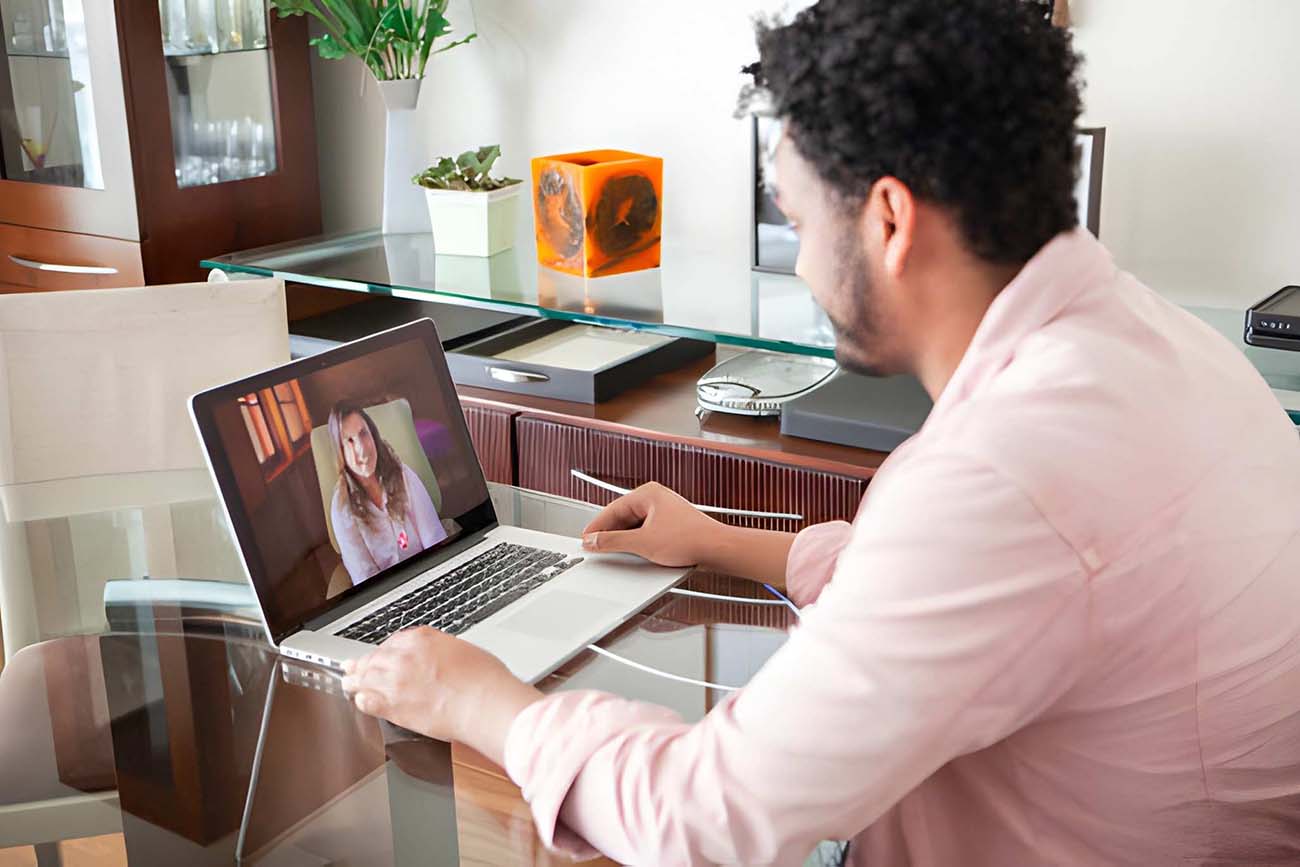
While there have undoubtedly been some remarkable innovations in mental health treatment, online therapy remains one of the most underappreciated changes in recent memory. The ability to open your laptop or turn on your phone and speak to a professional therapist is absolutely life-changing. Gone are the days when you needed to find a psychiatrist and physically visit their offices to get help – it’s now more accessible than ever.
Despite the undeniable benefits of online therapy, questions persist around different elements of it. Some people believe it’s a scam, while others debate the efficacy of online-based treatments. Everyone’s entitled to their opinions, though all this negativity causes people to shy away from online therapy, meaning they don’t seek the help they need. It turns out that most of the bad things people say about this treatment method are myths, so let’s clear a few key things up.

Online Therapists Aren’t Adequately Qualified
Some people believe that online therapists lack the qualifications of their in-person therapist counterparts. Why? The suggested “logic” behind this is that it’s easier to give therapy online, and therefore, this means you don’t need the same qualifications. However, there’s also confusion surrounding voluntary online mental health services and proper online therapy.
Voluntary services will use unqualified people who are simply there to talk to someone in need. Their job is to direct them to the correct treatment providers, not to provide actual therapy. It’s very much a first step in the mental health treatment process – but people confuse this with genuine online therapy.
Genuine online therapy will involve speaking to real and licensed therapists. These people have the same qualifications as an in-person therapist; they just chose to provide their services online. So you see, a proper online therapy service will use qualified therapists to offer assistance, and there is absolutely no difference in their experience or professionalism when compared with in-person therapists.
Health Insurance Won’t Cover Online Therapy
Money is always a big talking point as far as online therapy is concerned. Generally, it looks cheaper than in-person therapy, and that’s usually because it costs the therapist less money to run their business. They can handle calls from home instead of renting an office, etc.
That’s not the problem here – the problem is that most people assume their health insurance won’t cover online therapy.
Is that true? Well…yes and no. It depends on the provider; for instance, you can easily find in-network UnitedHealthcare therapists at Manhattan Mental Health Counseling, along with therapists covered by healthfirst, Cigna, Aetna, Molina Healthcare, and Affinity. Other providers of online therapy may work with different insurance providers, so it is entirely possible to use insurance to pay for your treatment.
More to the point, this is becoming commonplace across the board as health insurance providers recognize that this is a big deal to customers. If anything, it’s now harder to find an insurance provider that doesn’t cover online mental health therapy sessions. So, while it’s not always 100% guaranteed, it is definitely plausible that your health insurance policy will cover any online therapy.
This Type Of Therapy Will Never Be Effective
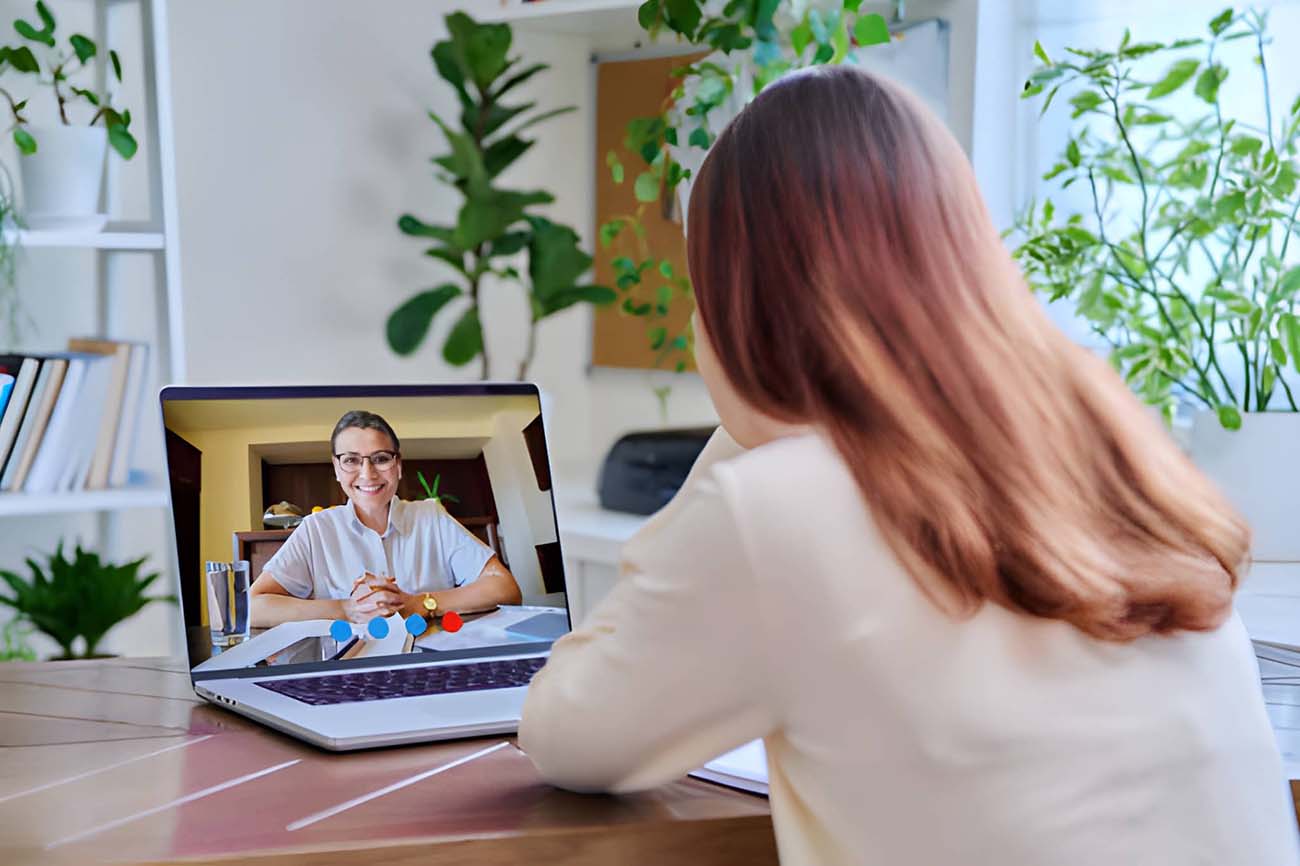
Again, we feel this relates back to the confusion surrounding what online therapy actually is. People still view it as a volunteer system where people or chatbots will type messages to you and offer words of encouragement. They don’t see this as a very effective way of gaining help, especially when compared to traditional, in-person therapy.
Actual online therapy works in the exact same way as in-person therapy. You’re paired with a therapist who will ask questions and encourage you to open up about your mental health and how you’re feeling. They can also provide cognitive behavioral therapy or other treatments online through video calls or text messages. The only difference between this and in-person therapy is that you’re in a more comfortable setting.
If anything, this means online therapy can be more effective because patients feel more at ease in their own surroundings. The pressure of being in a therapist’s office is no longer there, which can encourage more openness throughout the process.
There’s No Privacy Involved With Online Therapy
Ironically, there can be more privacy involved with online therapy!
People assume that getting help online means you lose any of the data and health privacy benefits of seeing an in-person therapist. Realistically, online therapists are still bound by a code of conduct that swears them to secrecy, and they don’t repeat what you say outside of their sessions. They also have to be HIPAA-compliant when it comes to data sharing to ensure they maintain your privacy.
The additional privacy comes from the fact that you don’t need to leave your home. It’s arguably less private if you have to travel to a therapist’s home or office once a week. There’s a greater chance of bumping into someone on your way there, while being at home means you can seek help discreetly.
It’s More Directed At Minor Mental Health Concerns
Online therapy is effective at treating all types of mental health concerns, regardless of how severe. People with serious mental health issues can gain assistance and guidance from online therapy sessions – it’s often the first step in finding long-term treatment methods. Granted, you can’t receive more intense treatments from online therapy, but the same is true for in-person therapy. An online therapist can still prescribe medication or help you check into a rehabilitation facility for more hands-on help.
The bottom line is that this isn’t just for mild mental health problems; you’re dealing with highly experienced therapists who know how to help people with all sorts of mental health concerns. From moderate anxiety to severe schizophrenia, it’s all treatable online in some capacity.
In other words, don’t believe the myths you hear about online therapy and let them deter you from reaching out for help. This is the most accessible way to gain assistance for a mental health concern, so you should embrace it and use it as much as you can. Most people don’t have the time or money to afford an in-person therapist, but they will be able to pay for online therapy.