
Key Takeaways
– Implementing flexible work arrangements can significantly enhance employee well-being and reduce burnout.
– Providing comprehensive support systems, including mental health resources and career development opportunities, fosters a positive work environment.
– Regularly measuring and addressing employee engagement and satisfaction are crucial for retaining top talent.
Understanding the Impact of Burnout and Attrition
Workplace burnout and staff attrition are challenges that no modern organization can afford to ignore. Burnout, presenting as ongoing stress, mental fatigue, and waning enthusiasm, erodes individual productivity and organizational effectiveness. Attrition, defined as the gradual reduction of employees in a workforce, often follows when burnout and dissatisfaction are not actively addressed. When businesses proactively understand factors such as stress sources, support gaps, or organizational culture, they can better influence their attrition rate and build a more substantial employee experience.
The consequences can be severe: higher turnover costs, lost institutional knowledge, and an increased workload for remaining staff, all of which negatively impact morale and organizational culture. In competitive industries, attrition lessens your ability to innovate and maintain service standards, making it critical to pinpoint why employees disengage and leave.
Employee well-being isn’t just a moral imperative—it also drives productivity and resilience. Research by the American Psychological Association indicates that organizations prioritizing mental health tend to have more loyal, productive, and innovative staff. By taking steps to minimize burnout and attrition, leaders foster a healthier and more dynamic workplace.
Practical strategies to mitigate burnout and lower attrition range from rethinking how, when, and where people work to providing access to resources and support. Long-term solutions require organizations to address employee needs holistically, integrating flexibility, autonomy, and growth opportunities with practical resource support.
Implementing Flexible Work Arrangements
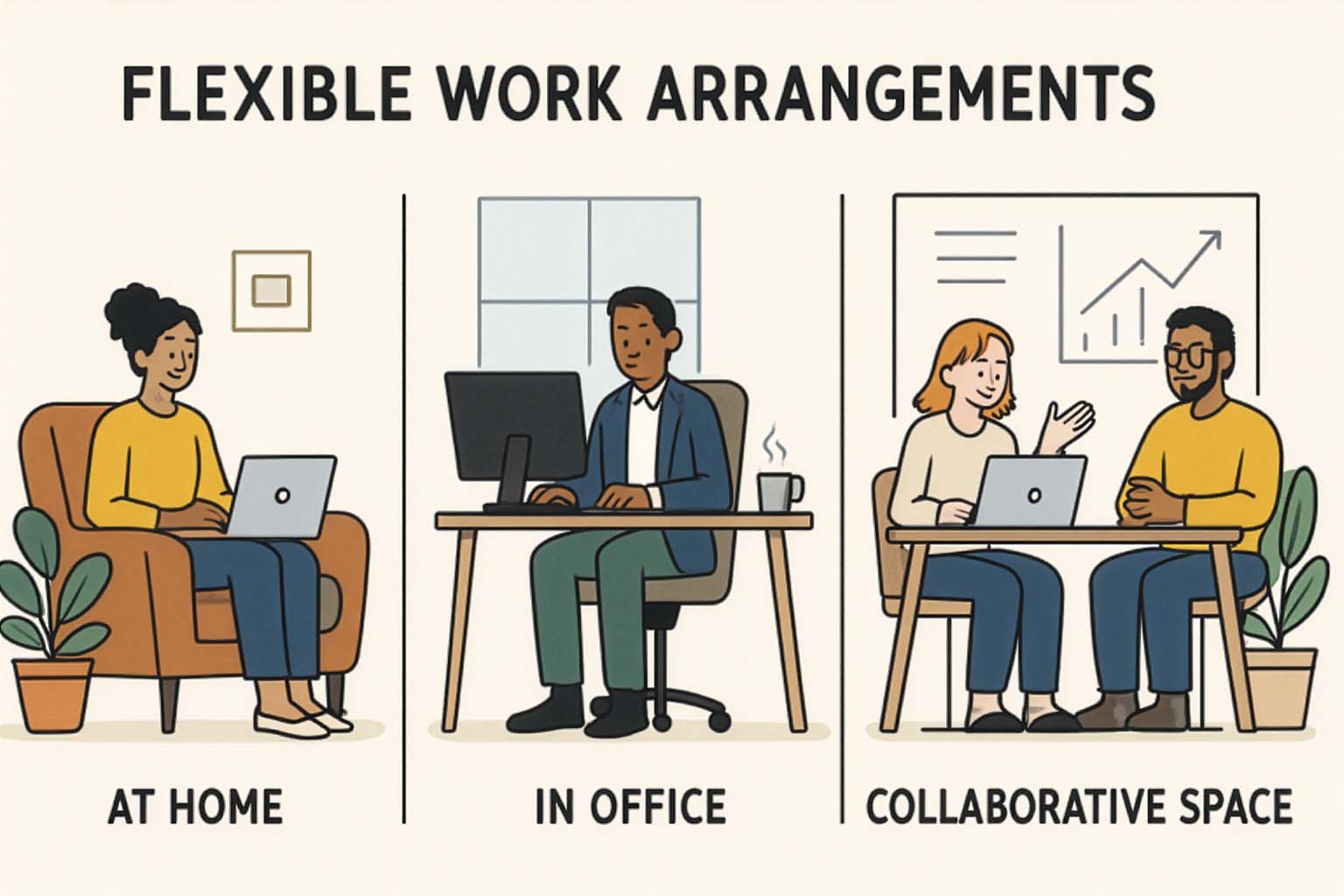
Adopting flexible working schedules—such as remote work options, job sharing, or flex hours—is among the most impactful tactics for reducing burnout. According to a recent Gallup poll, 76% of employees believe hybrid work models lead to improved work-life balance, which in turn fuels higher job satisfaction and lower stress levels. When employees have the freedom to structure their workdays, they can better harmonize job responsibilities and personal lives.
Remote work, compressed workweeks, and flexible start times empower staff to work during their most productive hours and adjust for individual needs. These adjustments can prevent chronic overwork and allow for much-needed downtime, especially for those managing caregiving responsibilities or other life priorities. Companies such as Microsoft and Salesforce have reported measurable reductions in turnover after rolling out these policies.
Providing Comprehensive Support Systems
Effective well-being strategies extend beyond superficial benefits. Organizations committed to reducing burnout must ensure that employees have access to mental health resources, counseling, and comprehensive career development opportunities. A study in the Harvard Business Review notes that employees want both the resources to manage stress and clear opportunities to advance professionally.
This means offering employee assistance programs (EAPs), mental health days, and robust learning and development initiatives. Clear internal pathways for advancement are crucial; when staff see opportunities for growth and support from their managers, they remain engaged and motivated. Companies that facilitate professional development and mentoring programs report stronger retention and overall employee well-being.
Encouraging Regular Breaks and Downtime
Organizations must not overlook the restorative power of regular breaks. Studies have consistently shown that taking short, frequent breaks bolsters focus and helps employees return to work refreshed. Designating relaxation spaces, supporting short walks, or encouraging “email-free” windows demonstrates that leaders value employee wellness as much as productivity.
According to The New York Times, breaks help disrupt the buildup of stress, staving off chronic exhaustion and disengagement. Simple changes, such as structured lunch hours or scheduled screen breaks, contribute meaningfully to mental health, yielding compelling results for organizational effectiveness.
Measuring and Addressing Employee Engagement
Without ongoing measurement, it isn’t easy to know where efforts are—and aren’t—working. Regular engagement surveys and feedback forums provide critical insight into employee morale, satisfaction, and intent to stay. Proactive organizations use these tools not only to identify problems, but also to shape policies that better reflect the needs expressed by their teams.
Involving employees in the development of workplace solutions creates a sense of ownership and partnership. As organizations act on feedback, they not only resolve pain points but also foster a culture of trust and ongoing improvement. Effective engagement strategies help ensure your workforce remains motivated and loyal, driving long-term organizational success.

Fostering a Culture of Recognition and Appreciation
Consistently recognizing employee contributions is a significant factor in reducing burnout and retaining talent. Appreciation initiatives might include public acknowledgments, peer recognition platforms, or tangible rewards for achievements. As featured in Forbes, organizations that actively cultivate gratitude report substantial improvements in morale, camaraderie, and individual fulfillment.
When staff are valued and celebrated, they’re far more likely to be engaged and resilient—even during stressful periods. Building a robust recognition culture is a cost-effective way to reinforce positive behaviors and foster loyalty. among employees
Enhancing Predictability of Schedules
Unpredictable schedules are among the leading causes of stress for frontline and hourly employees. By committing to advance scheduling (ideally two weeks or more) and minimizing last-minute changes, organizations can reduce anxiety and enable staff to plan their personal and family lives more effectively. Research published by the Economic Policy Institute highlighted a strong link between schedule stability and reduced turnover, especially among blue-collar workers.
Implementing technology-driven scheduling platforms and clear communication protocols can help ensure every worker feels respected and empowered. Over time, these changes support retention and cultivate a stable, contented workforce.
Investing in Leadership Training
The role of a manager or team leader is integral to preventing burnout and attrition. Organizations must provide leaders with training focused on empathy, stress management, and proactive communication. Well-equipped managers can quickly spot early signs of burnout, initiate supportive conversations, and connect staff with appropriate resources.
Comprehensive leadership development goes beyond technical skills and policies—it should instill a culture of care, inclusion, and openness. When leaders serve not only as supervisors but also as supportive mentors, employees are more likely to stay engaged, motivated, and committed in the long term.
Conclusion
Reducing employee burnout and attrition is a multifaceted endeavor. By integrating flexible work policies, comprehensive support resources, ongoing engagement initiatives, recognition programs, predictable scheduling, and investing in emotionally intelligent leadership, organizations can significantly improve workplace satisfaction and retention.
Prioritizing these strategies ensures not only a more resilient and engaged workforce but also positions the business for enduring success in the face of evolving workplace challenges.