Ever notice how some people seem to effortlessly achieve gorgeous hairstyles while others struggle for hours to recreate the same look? The secret often comes down to understanding hair texture, a fundamental aspect of hair care that many overlook.
Too many people find themselves frustrated, spending countless hours and money on products that simply don’t work for their specific hair type. Whether you’re experimenting with new styling techniques or investing in quality hair styling products, knowing your hair’s unique characteristics forms the foundation for achieving the results you want.
Hair texture varies dramatically from person to person, and this variation directly influences everything from styling choices to daily maintenance routines and overall hair health.
Understanding Hair Texture Fundamentals
What Defines Hair Texture?
Hair texture describes the diameter of individual hair strands, essentially how thick or thin each strand is. Professionals typically classify texture into three categories: fine, medium, or coarse. This characteristic differs completely from hair pattern, which refers to whether your hair grows straight, wavy, curly, or coily. While pattern describes the shape your hair naturally forms, texture is all about the actual thickness of each individual strand.
Genetics primarily determines your hair texture, though various factors can influence how your hair feels and behaves over time. Health conditions, chemical damage, hormonal fluctuations, and environmental exposure can all alter your hair’s characteristics. Grasping this distinction proves crucial because texture affects moisture retention, treatment response, and how your hair reacts to different styling approaches.
The Science Behind Hair Structure
Every hair strand contains three distinct layers working together: the cuticle forms the outer protective barrier, the cortex makes up the middle layer containing proteins and pigments, and the medulla serves as the innermost core. The cuticle layer’s condition plays a major role in your hair’s appearance and behavior, directly affecting shine, frizz levels, and product absorption.
Smooth, flat-lying cuticles create shinier, silkier hair. When cuticles become damaged or raised, they create rough texture that leads to increased frizz and makes it harder to retain moisture. Understanding this science helps explain why different textures need entirely different approaches to look and feel their best.
Identifying Your Hair Texture
Simple Assessment Methods
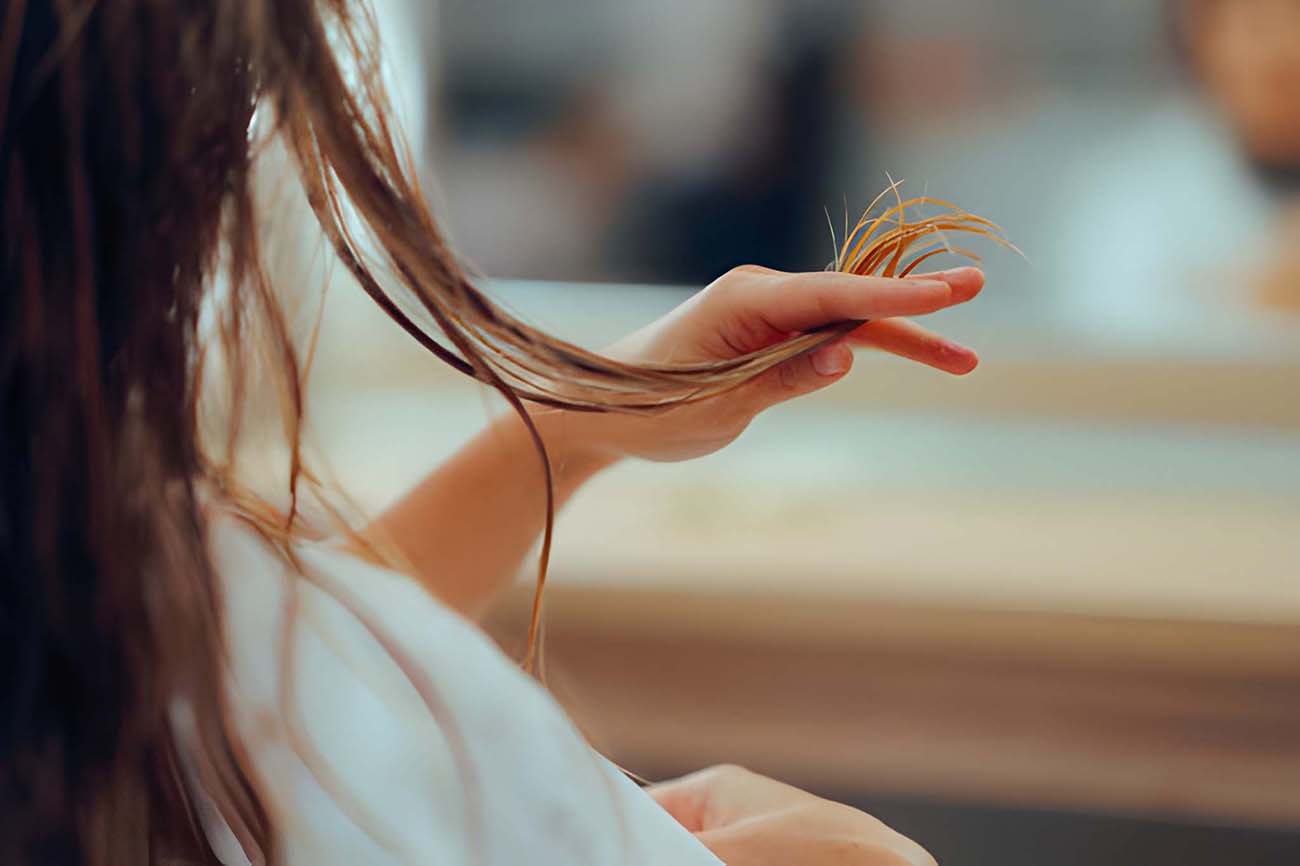
The most reliable way to determine your hair texture is through a strand test. Take a single strand of clean, product-free hair and gently roll it between your fingers. Fine hair feels almost weightless and silky smooth, medium hair has a noticeable presence without feeling thick, and coarse hair feels substantial with a potentially rougher surface.
You can also try the comparison method: hold a strand of your hair next to a piece of regular sewing thread. Hair thinner than the thread indicates fine texture, similar thickness suggests medium texture, and hair thicker than the thread means coarse texture.
Pay attention to how your hair behaves naturally without any products. Fine hair tends to get oily quickly and struggles to maintain volume, while coarse hair often feels dry but can hold styles for hours or even days.
Why Accurate Identification Matters
Getting your texture wrong can derail even the best-intentioned hair care routine. Fine hair weighed down by heavy products looks limp and lifeless, while coarse hair treated with lightweight formulas often remains unmanageable and frizzy. Knowing your texture helps you strike the right balance between protein and moisturel; two elements your hair needs to truly thrive.
Your texture can also vary across different areas of your head. Many people have finer hair around their temples and nape, with coarser strands at the crown. Recognizing these variations allows you to customize your approach for different sections.
How Hair Texture Influences Styling Decisions
Fine Hair Considerations
Fine hair demands a gentle touch with an emphasis on avoiding anything that adds unnecessary weight. These delicate strands break more easily due to their smaller diameter, making careful handling essential. Lightweight styling approaches work best, think air-drying with minimal manipulation or using lower heat settings when styling.
Building volume in fine hair requires working with, not against, its natural tendencies. Root-lifting techniques, keeping heavy oils away from the scalp, and choosing styles that complement rather than fight your hair’s natural behavior yield the best results.
Medium Hair Advantages and Challenges
Medium texture hair offers incredible versatility, naturally holding styles while maintaining reasonable volume. This texture typically handles a wide range of styling techniques and products without becoming overwhelmed or underwhelmed.
However, medium hair can be particularly prone to frizz, especially when humidity levels rise. Keeping moisture levels balanced becomes the key to maintaining smooth, controlled styles while preserving your hair’s natural body and movement.
Coarse Hair Characteristics
Coarse hair’s larger diameter means it can typically handle more intensive treatments and aggressive styling techniques without showing immediate damage. This texture excels at maintaining styles and can support elaborate or voluminous looks that might fall flat on finer hair.
The main challenge with coarse hair lies in achieving smoothness and managing its tendency toward dryness. This texture thrives with richer formulations and benefits from more frequent deep conditioning treatments.

Texture-Specific Maintenance and Care Routines
Customizing Your Approach
Generic, one-size-fits-all routines rarely work because they ignore the significant differences in how various textures respond to care practices. Fine hair might need daily or every-other-day washing to prevent oil buildup, while coarse hair often looks and feels better with less frequent washing to preserve natural oils.
Protein and moisture requirements vary dramatically by texture. Fine hair typically craves more protein to strengthen its delicate structure, while coarse hair usually needs extra moisture to combat dryness and brittleness.
Common Texture-Related Challenges and Solution
Frizz management strategies change completely depending on your texture. Fine hair frizz often stems from humidity and responds well to lightweight anti-humidity products, while coarse hair frizz typically results from dryness and needs intensive moisturizing treatments.
When it comes to preventing breakage, fine hair benefits from protective styling and gentle handling, while coarse hair requires focus on maintaining adequate moisture levels to prevent the brittleness that leads to snapping.

The Role of Technique in Texture Management
Styling Techniques That Respect Texture
Different textures respond uniquely to various styling methods. Fine hair often looks its best with gentle air-drying techniques that preserve natural volume, while coarse hair may need more intensive styling methods to achieve the smoothness and control you’re after.
Heat styling approaches should match your texture’s specific needs. Fine hair requires lower temperatures and shorter exposure times, while coarse hair can typically handle higher heat levels, though thorough heat protection remains essential for both.
Minimizing Damage While Styling
Understanding your texture helps you determine appropriate heat levels and styling frequency. Fine hair shows damage quickly and requires more conservative approaches, while coarse hair’s damage may be less immediately visible but proves more challenging to repair once it occurs.
Consistent heat protectant use is non-negotiable for all textures, but the formulation weight should align with your specific needs. Fine hair benefits from lightweight, spray-on protectants, while coarse hair can handle cream-based protective products.
Making Informed Choices for Your Hair
Evaluating What Works for Your Texture
Rather than trying random products or techniques, approach hair care systematically. Track what works and what doesn’t, paying attention to how your hair responds to different approaches over time. Results often take several weeks to become apparent, so patience and consistency prove essential.
Consider external factors like seasonal changes, stress levels, and hormonal fluctuations that can temporarily affect hair behavior, even when your underlying texture remains constant.
Building a Personalized Routine
Develop a routine based on your specific texture needs, understanding the purpose behind each step. This knowledge empowers you to make adjustments when necessary and helps you evaluate new products or techniques against your hair’s actual requirements.
Remember that routines may need tweaking based on life changes, environmental factors, or evolving hair goals. Flexibility within a structured approach delivers the best long-term results.
Key Takeaway and Moving Forward
Understanding hair texture isn’t about following rigid rules, it’s about making informed decisions based on your individual characteristics. This knowledge empowers you to care for your hair more effectively, make smarter choices about techniques and products, and ultimately achieve healthier, more manageable hair.
Think of your hair texture as a unique asset rather than a limitation. Embrace the characteristics that make your hair distinctly yours, and approach hair care as an ongoing journey of discovery. With proper understanding and tailored approaches, every texture has the potential to achieve optimal health and beauty.